
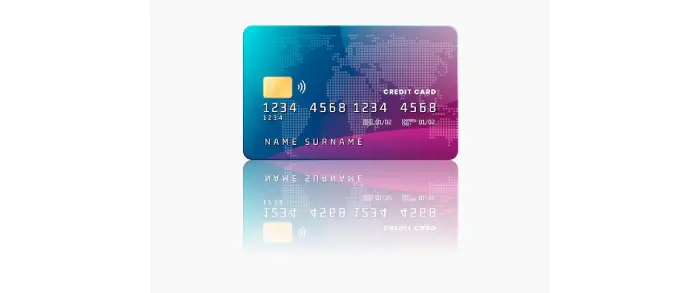

Are you tired of high transaction fees eating into your budget? Or perhaps you’re seeking a more secure way to manage your daily purchases? If so, it’s time to meet the RuPay card. Launched by the National Payments Corporation of India, this homegrown payment solution is revolutionizing how we think about transactions. With its growing acceptance across merchants and online platforms, it’s becoming a go-to choice for many savvy consumers. Let’s explore why incorporating a RuPay card into your everyday spending could be one of the smartest financial decisions you make this year.
Benefits of Using a RuPay Card
Using a RuPay card brings several advantages for everyday transactions. One of the most notable benefits is its accessibility. RuPay cards are widely accepted across numerous merchants, making them convenient for shopping and bill payments.
Another significant perk is the lower transaction fees associated with RuPay cards compared to international counterparts. This means more savings when you make purchases or conduct online transactions.
RuPay cards also provide excellent cashback offers and discounts through various partner banks, enhancing your spending power.
Additionally, they support domestic payment systems, which can lead to faster processing times during transactions. You’ll find that using a RuPay card contributes toward supporting local businesses as well.
Many users appreciate the ease of managing their expenses through mobile apps linked to their RuPay accounts, providing better financial tracking at their fingertips.
Lower Transaction Fees and Higher Acceptance Rates Compared to Other Cards
RuPay cards are designed with the user in mind, offering lower transaction fees than many international alternatives. This cost-effectiveness makes them an appealing choice for everyday purchases.
Many merchants in India prefer RuPay due to these reduced fees. As a result, you’ll find a growing number of establishments accepting this payment method. From local shops to larger retail chains, acceptance is on the rise.
Additionally, since RuPay is tailored for Indian consumers, it often integrates better with domestic banking systems. This means smoother transactions and fewer hiccups during payments.
For those who frequently shop or dine out, using a RuPay card can mean spending less on transaction charges while enjoying widespread usability across the country. It’s a win-win situation that enhances your shopping experience without breaking the bank.
Security Features of RuPay Cards
RuPay cards come equipped with a variety of security features to safeguard your financial transactions. One notable aspect is the EMV chip technology, which enhances protection against fraud. This chip generates unique transaction codes for every purchase, making it nearly impossible for hackers to replicate.
Additionally, RuPay employs two-factor authentication (2FA) for online transactions. Users must verify their identity through an OTP sent to their registered mobile number. This adds another layer of security, ensuring that only you can authorize payments.
Moreover, many banks offer instant card blocking services via their apps or helplines if your card is lost or stolen. With these measures in place, users can feel confident that their information and funds are secure while using RuPay cards.
These robust security protocols make RuPay a reliable option for everyday purchases and online shopping alike.
How to Get a RuPay Card?
Getting a RuPay card is a straightforward process. First, visit any bank or financial institution that offers RuPay cards. Most major banks in India provide this option.
You will need to complete an application form. Make sure you have valid identification and address proof ready. Common documents include Aadhar cards, passports, or utility bills.
Once your application is submitted, the bank will verify your details. This usually takes a few days.
Upon approval, the bank will issue your RuPay card and send it to your registered address.
When you receive the card, activate it by following the instructions provided with it. Then you’re all set to enjoy seamless transactions with this convenient payment method!
Tips for Using a RuPay Card Effectively
Maximize your RuPay card experience by keeping track of your transactions. Use mobile banking apps to monitor spending in real-time. This helps you stick to a budget and avoid overspending.
Always ensure your card details are secure. Avoid sharing your PIN or any sensitive information with anyone, even friends or family.
When shopping online, look for merchants that accept RuPay cards to enjoy the benefits seamlessly. Many retailers offer exclusive discounts for using this payment method.
Set up alerts for transactions on your mobile device. These notifications can help you stay informed about charges and spot any unauthorized use quickly.
Utilize contactless payments where available for faster checkouts while maintaining safety during transactions.
Conclusion
Switching to a RuPay card for your daily transactions can be a smart move. With its growing acceptance and lower transaction fees, it presents an attractive option for consumers looking to save money. The robust security features offer peace of mind while you shop or make payments online.
Furthermore, the convenience of using a RuPay card means you can enjoy seamless transactions without worrying about hidden charges that often accompany other cards. Whether you’re purchasing groceries or paying bills, having a RuPay card in your wallet simplifies the process.
As digital payments continue to rise in popularity, embracing local solutions like the RuPay card not only benefits individual users but also supports India’s financial ecosystem. It’s time to consider making this switch and experience all the advantages that come with it.
Resource URL:
https://en.wikipedia.org/wiki/RuPay
https://gokiwi.in/blog/apply-for-a-rupay-credit-card-using-the-kiwi-app/


