
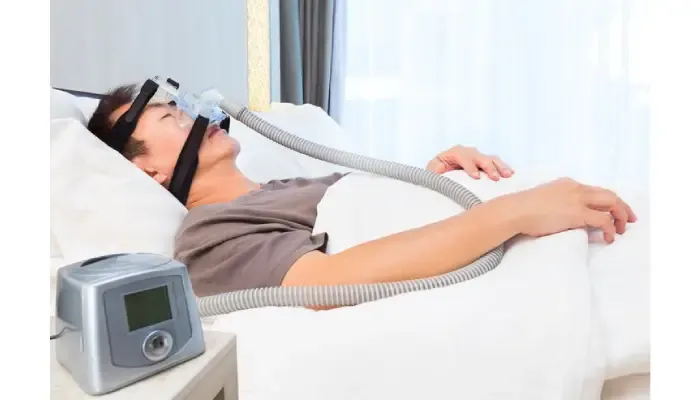

Choosing a home sleep apnea test is often best when you have symptoms of moderate to severe obstructive sleep apnea but no other serious health problems. These tests are done at home using portable devices that track breathing, oxygen levels, and chest movements. They provide convenience and cost savings compared to overnight clinic studies, allowing patients to sleep in their own beds without disruption. Home tests are especially suitable if you live far from a sleep center or prefer privacy. However, if your symptoms are complicated by other medical conditions or if results from the home test aren’t clear, an in-lab study is usually needed for a more thorough evaluation and diagnosis.
Types of Sleep Apnea Tests Compared
In-lab sleep studies, known as polysomnography, are conducted overnight in a clinical setting with full monitoring of brain waves, heart activity, oxygen levels, breathing patterns, muscle movements, limb activity, and body position. This detailed tracking provides comprehensive information on sleep stages and other physiological signals, making it the most thorough test for diagnosing obstructive sleep apnea (OSA) and other complex sleep disorders like narcolepsy or REM behavior disorder. In contrast, home sleep apnea tests use portable devices that focus mainly on breathing-related parameters such as airflow, chest movements, nasal pressure, and oxygen saturation. Because home tests do not record brain waves or sleep stages, they are limited to detecting breathing interruptions and cannot identify other sleep disorders. While in-lab studies require an overnight stay and technician supervision to ensure sensors are properly placed and data is accurate, home tests rely on patients setting up the device themselves, which can sometimes lead to errors or incomplete data. Cost is another key difference: in-lab studies can cost thousands of dollars, whereas home tests typically range from $100 to $500. The home test offers greater convenience and comfort since it allows patients to sleep in their own environment without hospital visits, but it lacks the comprehensiveness and precision of an in-lab polysomnography.

Who Should Consider a Home Sleep Apnea Test?
Home sleep apnea tests are best suited for people who show clear signs of moderate to severe obstructive sleep apnea but do not have other serious health problems. If you experience loud snoring, pauses in breathing noticed by a partner, or excessive daytime sleepiness without known heart, lung, or neuromuscular conditions, home testing can be a good first step. It’s especially helpful for those living far from sleep clinics or who find it difficult to visit one. Many patients also prefer testing at home because it lets them sleep in their usual environment, which can feel more natural and less disruptive. Doctors often suggest home testing when the diagnosis seems straightforward and quick results are needed, as it usually has shorter wait times. For example, someone with no previous sleep studies and no suspicion of other sleep disorders can start with a home test. These tests can be sent by mail after a telemedicine or in-person visit, making them easier to access. However, if the home test doesn’t explain symptoms or comes back negative despite ongoing problems, a follow-up in-lab sleep study is typically recommended.
- Patients with symptoms suggestive of moderate to severe obstructive sleep apnea without other significant health issues are suitable candidates.
- Those experiencing loud snoring, observed pauses in breathing during sleep, and daytime sleepiness may benefit from home testing.
- Individuals without known cardiovascular, respiratory, or neuromuscular diseases are typically eligible for home tests.
- People living in remote or rural areas who face difficulty accessing sleep clinics can use home testing for easier diagnosis.
- Patients who prefer to maintain their usual sleeping environment may find home tests less disruptive.
- Home testing is often chosen as an initial screening tool when clinical suspicion is straightforward and uncomplicated.
- Doctors may recommend home testing when quick assessment is needed due to reduced wait times compared to in-lab studies.
- Patients without prior sleep study history and no suspected coexisting sleep disorders can consider home testing first.
- Home tests can be delivered by mail following telemedicine or in-person consultation, increasing accessibility for some patients.
- If home test results are negative or do not match symptoms, a follow-up in-lab study is usually advised.
Situations Favoring an In-Lab Sleep Study
In-lab sleep studies are the preferred choice when a patient’s condition is complex or when a thorough evaluation is needed. For example, patients with serious medical conditions like heart failure or lung disease require detailed monitoring that only an in-lab study can provide. These studies record brain activity, eye movements, muscle tone, and heart rhythm, which are essential for diagnosing multiple or complex sleep disorders beyond obstructive sleep apnea. Individuals using opioids or struggling with severe insomnia also benefit from the comprehensive data collected during an in-lab study, as it captures sleep stages and neurological activity not available with home tests. Jobs that demand high safety standards, such as commercial driving, often mandate precise and complete testing to ensure the individual is safely managing their condition. When home sleep apnea test results are unclear or do not match symptoms, an in-lab study is necessary to avoid misdiagnosis. Additionally, in-lab polysomnography allows for CPAP titration during the same visit, helping find the exact pressure needed for effective treatment. Patients with neurological concerns or suspected REM behavior disorder require the detailed neurological monitoring that only lab studies offer. The ability to track limb movements and muscle activity is also important for diagnosing conditions like restless leg syndrome or periodic limb movement disorder, which home tests cannot detect. When previous home tests fail or provide uncertain results, in-lab studies offer the accuracy and depth needed for a reliable diagnosis. Lastly, anyone suspected of having other sleep disorders besides obstructive sleep apnea should undergo an in-lab study to ensure all conditions are properly evaluated.
Drawbacks of Home Sleep Apnea Testing
Home sleep apnea tests have important limitations that can affect diagnosis and treatment. Unlike in-lab studies, home tests do not monitor brain waves, so they cannot assess sleep stages or identify neurological sleep disorders. This means conditions like narcolepsy or REM behavior disorder may go undetected. Without a technician present, patients might incorrectly set up the device, which can lead to poor-quality or unusable data. For example, sensors might become dislodged during sleep or the device might not be worn properly, increasing the risk of false negatives where breathing interruptions are missed. Home tests focus mainly on breathing-related measurements and do not capture limb movements or muscle activity abnormalities, which are important for diagnosing other sleep problems like periodic limb movement disorder. Patients with complex health issues or suspected additional sleep disorders generally need more comprehensive in-lab testing. If home test results are inconclusive or do not match symptoms, further in-lab studies are usually required, causing delays and additional costs. Also, mild sleep apnea cases may be missed by home tests, since they provide less detailed data than polysomnography. Finally, technical problems during home testing, such as sensor malfunction, may not be immediately detected, reducing the reliability of the results and potentially requiring repeat testing.
Guidelines for Choosing the Right Test
Home sleep apnea tests work best for patients who likely have moderate to severe obstructive sleep apnea without other serious health issues. If you have a straightforward history and typical symptoms like loud snoring or daytime sleepiness, a home test can be a convenient and effective first step. However, if your medical history is complex or if your symptoms suggest other sleep disorders, an in-lab sleep study is usually the better choice because it gathers more detailed information. Insurance companies often require a home test before approving a clinic visit to keep costs down, but it’s important to remember that a sleep specialist should review and interpret all results for an accurate diagnosis. If you have trouble using the home test properly or if your initial home test is negative despite ongoing symptoms, an in-lab study should be considered. Clinicians also take into account your preferences, how easily you can access testing facilities, and availability when recommending the testing method. While home testing is a helpful screening tool, it should not replace clinic studies when results don’t match clinical concerns. Proper patient education on how to use home devices can improve data quality and reduce the chance of needing repeat tests. Ultimately, the choice between home and in-lab testing should be based on your specific health needs and not just convenience.
Cost and Convenience Differences
Home sleep apnea tests offer a clear cost advantage, typically ranging from $100 to $500, compared to in-lab sleep studies that can cost up to $3,500. This price difference reflects the extensive monitoring, technician support, and specialized equipment required during an overnight clinic visit. Beyond cost, home testing provides significant convenience by allowing patients to sleep in their own beds without the need to travel or spend a night away from home. This comfort can help maintain usual sleep routines, which may lead to more reliable test results. Scheduling and attending an in-lab study can be challenging for some, especially those with mobility issues or limited access to nearby clinics. Home tests often have faster turnaround times as devices can be mailed directly to patients, speeding up the evaluation process. Insurance coverage and preauthorization requirements often favor starting with a home test due to lower costs. While in-lab studies provide more comprehensive data and may reduce the need for repeat testing, the convenience and affordability of home testing improve patient compliance and willingness to undergo sleep apnea evaluation, making it a practical first step for many.
What Experts Say About Home Testing?
Experts at leading medical centers like the Mayo Clinic acknowledge that home sleep apnea tests (HSAT) are effective for many patients suspected of having moderate to severe obstructive sleep apnea without other health complications. Sleep specialists often recommend starting with home testing due to its convenience, lower cost, and quicker access to diagnosis. Clinical observations show that patient comfort and the ability to sleep in a familiar environment can result in better adherence to testing protocols. However, experts also emphasize that HSAT has limitations: it does not measure brain waves or sleep stages, which means it can miss other sleep disorders or subtle issues. For patients with complex medical histories, other health conditions, or unclear symptoms, in-lab polysomnography remains the preferred method because of its comprehensive data collection and higher diagnostic accuracy. Specialists stress the importance of careful patient selection for home testing and thorough education on device use to reduce errors. Professional guidelines reflect this balance, supporting a stepwise approach where uncomplicated cases begin with home testing, followed by in-lab studies if results are inconclusive or symptoms persist. Experts caution that if symptoms do not match home test results, further evaluation in a clinic setting is necessary to rule out other conditions. Overall, home testing is seen as a valuable tool within a broader diagnostic strategy, improving access and reducing wait times without compromising care for the right patients.
Frequently Asked Questions
1. How do I know if a home sleep apnea test is reliable compared to a clinic visit?
Home sleep apnea tests are generally reliable for detecting moderate to severe sleep apnea in uncomplicated cases. However, they use fewer sensors and monitor fewer body functions than clinic tests, so they may not catch milder or other sleep disorders. Your healthcare provider can help determine which option suits your needs based on your symptoms and health history.
2. What kinds of health conditions or symptoms make a home sleep apnea test a good option?
Home tests are often recommended if you have a high chance of having sleep apnea without other serious health issues. Symptoms like loud snoring, daytime tiredness, and observed breathing pauses during sleep might make a home test appropriate. If you have complex health problems or suspect other sleep disorders, a clinic visit may be better.
3. Can a home sleep apnea test detect other sleep problems besides apnea?
No, home sleep apnea tests mainly focus on breathing patterns and oxygen levels to diagnose sleep apnea. They do not record brain activity or other measures needed to detect conditions like restless legs syndrome or narcolepsy. For those broader analyses, an in-lab sleep study is necessary.
4. What should I expect in terms of comfort and convenience when choosing a home test over a clinic visit?
Home tests offer the convenience of sleeping in your own bed, which can make the experience more comfortable for some people. The equipment is usually simpler and less intrusive, but you’ll need to follow setup instructions carefully. Clinic visits involve professional monitoring and a controlled environment but might be less comfortable due to unfamiliar surroundings and more sensors attached.
5. Are there situations when a home sleep apnea test might not be enough, requiring a clinic study instead?
Yes, if your symptoms are unclear, if you have other medical issues like heart failure or lung disease, or if the home test results are inconclusive, an in-lab sleep study will often be needed. In-clinic tests provide comprehensive data and professional oversight to ensure accurate diagnosis and treatment planning.
TL;DR Home sleep apnea tests (HSAT) offer a convenient, cost-effective way to screen for moderate to severe obstructive sleep apnea (OSA) at home, especially for patients without complicated medical issues. In-lab sleep studies provide more comprehensive data, including brain wave and sleep stage monitoring, making them essential for complex cases, uncertain diagnoses, or when other sleep disorders are suspected. While HSATs are less expensive and easier to access, they have limitations and may require follow-up testing. Doctors generally recommend home testing first for suitable patients, with in-lab studies reserved for those needing detailed assessment or treatment titration.
Resource URL:


