
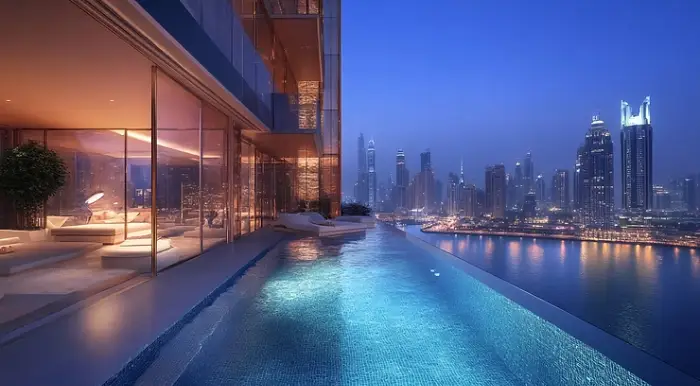

In today’s fast-paced digital world, visuals are everything. When it comes to real estate, first impressions can make or break a deal. That’s where professional 3D rendering services come into play. Imagine walking through a property without ever setting foot inside—thanks to stunningly realistic visualizations that bring spaces to life before construction even begins.
These cutting-edge techniques have transformed how developers, architects, and marketers showcase properties. No longer confined to basic blueprints and flat images, the realm of real estate now offers immersive experiences that captivate potential buyers from the get-go. Whether you’re selling luxury condos or cozy single-family homes, understanding what professional 3D rendering entails will elevate your marketing strategy like never before. Let’s explore how these services work and why they’re essential in today’s competitive market!
Benefits of Professional 3D Rendering Services
Professional 3D rendering services bring a wealth of advantages to various industries, particularly real estate. One significant benefit is the ability to visualize projects before they are built. This helps clients see the final product and make informed decisions.
High-quality rendering enhances marketing efforts by creating stunning visuals that attract potential buyers. These images can be used in brochures, websites, and social media campaigns, boosting engagement.
Another advantage is cost-effectiveness. Investing in 3D renderings often saves money by reducing design errors early in the process. Clients can make adjustments based on realistic representations rather than waiting for physical models.
Time efficiency also plays a crucial role. With rapid advancements in technology, professional renderers can produce high-quality images quickly, allowing for faster project timelines without compromising quality or detail.

The Process of 3D Rendering
The process of 3D rendering begins with a detailed model. Artists use software to create intricate designs that represent objects, landscapes, or even entire buildings.
Next comes texturing. This step involves applying colors and materials to the models for realism. It’s where surfaces start to feel tangible—think wood grain or fabric patterns.
Lighting is crucial in this phase. Proper lighting can set the mood and enhance depth. Artists manipulate shadows and highlights, creating an immersive experience.
Once everything is set up, the rendering engine takes over. It processes all inputs—models, textures, and lights—to generate a final image or animation.
Post-production adds finishing touches like color correction and effects. This stage refines visuals before presenting them to clients or audiences. Through each step, collaboration between designers ensures quality results tailored to specific needs.
Types of 3D Rendering Services
3D rendering services come in various forms, each tailored to meet specific needs. Architectural visualization is perhaps the most popular type, helping architects showcase their designs through realistic images and animations.
Product rendering is another essential service. It allows businesses to display new products vividly before they hit the market. This helps potential buyers visualize items from every angle.
Interior rendering focuses on creating lifelike representations of indoor spaces. Designers can experiment with colors, materials, and furniture arrangements without any physical alterations.
For those in advertising or media, motion graphics rendering stands out. This combines animation techniques with 3D elements to produce dynamic visuals that capture audience attention effectively.
Virtual reality (VR) rendering offers immersive experiences for users. Clients can explore spaces as if they were there physically—an exciting way to engage stakeholders or customers alike.
How to Choose the Right 3D Rendering Service Provider?
Choosing the right 3D rendering service provider is crucial for your project’s success. Start by assessing their portfolio. Look for diversity in styles and projects, especially those relevant to real estate 3D rendering.
Next, consider their experience and expertise. A company with a strong background in architectural visualization will better understand your needs. Communication is key; ensure they are responsive and willing to discuss ideas.
Check client testimonials and reviews as well. Positive feedback can give you insight into reliability and quality of work.
Don’t forget about technology! A provider that uses advanced software can deliver stunning visuals faster than those who don’t keep up with industry trends.
Evaluate pricing structures carefully. Balance cost against quality to find a service that fits within your budget while meeting high standards.
Real-Life Applications of 3D Rendering
3D rendering has transformed various industries by bringing concepts to life. In real estate, it allows potential buyers to visualize properties before they are built. Stunning visuals can showcase design features and layouts that flat plans cannot convey.
Architects use 3D rendering to present their ideas in a more relatable way. These digital models help clients understand the flow and functionality of spaces. This leads to more informed decisions early in the design process.
In product development, businesses utilize 3D renders for prototypes. Visualization helps teams evaluate aesthetics and practicality without the cost of physical samples.
Additionally, interior designers leverage this technology to create immersive environments that reflect client preferences accurately. It assists in color schemes, furniture placement, and overall ambiance.
Entertainment also benefits significantly from 3D rendering; movies rely on it for stunning visualeffects that captivate audiences worldwide.
Cost and Time Considerations
Cost and time are critical factors when considering professional 3D rendering services. The price can vary significantly based on the complexity of your project, the level of detail required, and the expertise of the service provider.
High-quality real estate 3D rendering may demand a larger investment upfront. However, this often translates to better marketing materials that can increase property sales or rentals.
Timeframes also depend on these variables. A simple render might take just a few days, while intricate designs could require weeks for completion. Clear communication with your chosen renderer about deadlines is essential.
Don’t forget to factor in revisions as well; additional rounds typically incur extra costs and extend timelines. Planning ahead will help you avoid delays and budget overruns later in the process.
Future of 3D Rendering Technology
The future of 3D rendering technology is poised for exciting advancements. With the rise of artificial intelligence, we can expect faster and more accurate renderings. AI algorithms will streamline workflows, reducing production time drastically.
Virtual reality (VR) and augmented reality (AR) are also becoming integral to the 3D rendering landscape. They allow clients to immerse themselves in spaces before they exist physically, enhancing decision-making processes.
Moreover, real-time rendering is gaining traction. This shift enables instant visual feedback during design iterations, which fosters creativity while saving valuable resources.
As hardware continues to evolve, graphics cards and processing power will enhance the quality of visuals produced. Photorealistic images will become even more lifelike as techniques improve.
Sustainability is another focus area. Eco-friendly practices in rendering processes can support environmentally conscious projects without compromising on quality or detail.
Conclusion
3D rendering has transformed the way industries visualize concepts. With professional 3D rendering services, clients gain a competitive edge by showcasing projects in stunning detail. The benefits are clear: enhanced marketing materials, improved client communication, and faster decision-making processes.
Understanding how to choose the right service provider is crucial. Look for experience in your specific industry and a portfolio that resonates with your vision. Real estate 3D rendering can elevate property listings tremendously, making spaces more appealing to potential buyers.
As technology evolves, so do the capabilities of 3D rendering. New tools and software promise even higher quality visuals at quicker turnaround times. This progression opens doors for innovative applications across various fields.
Investing in professional services may involve costs, but the returns in terms of engagement and successful sales can be significant. As you explore these options, consider how advanced visualizations might shape your project’s future impact on its audience. Embracing this technology could very well redefine success in an increasingly visual market landscape.


