
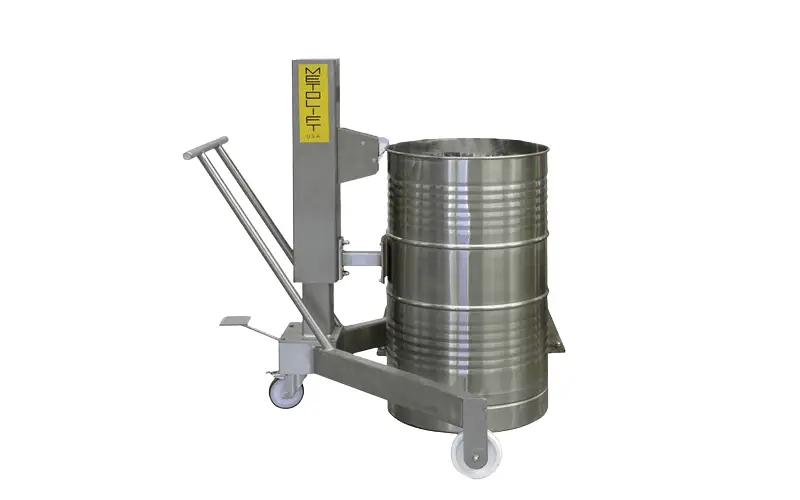

The industrial landscape is undergoing a significant transformation, with automation playing a pivotal role in optimizing operations. One of the most prominent advancements in this space is the growing demand for automated bulk material handling equipment. As industries such as mining, construction, agriculture, and manufacturing scale up their production capacities, the need for efficient, reliable, and cost-effective bulk material handling solutions has never been greater.
Understanding Bulk Material Handling Equipment
Bulk material handling equipment refers to machinery and systems designed for transporting, storing, and processing bulk materials such as grains, ores, coal, cement, chemicals, and aggregates. This equipment plays a crucial role in various industries by improving efficiency, reducing labor dependency, and minimizing material waste.
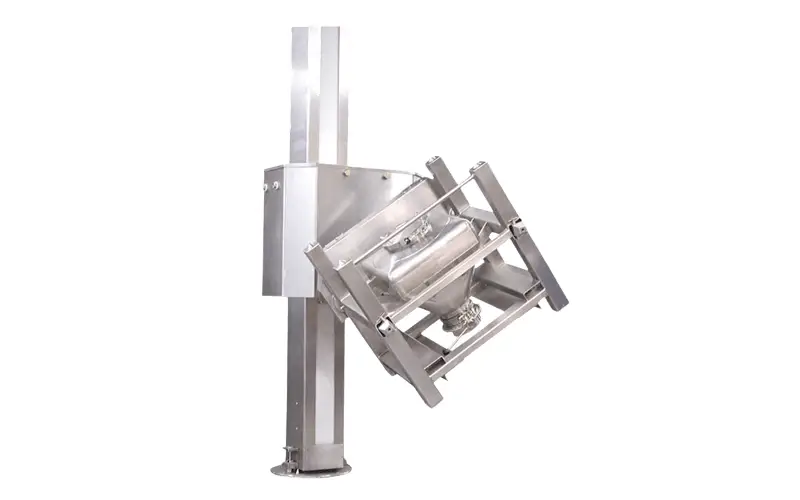
Some common types of bulk material handling equipment include:
- Conveyors (belt, screw, pneumatic, and drag conveyors)
- Bucket elevators
- Hoppers and silos
- Stackers and reclaimers
- Automated guided vehicles (AGVs)
- Robotic handling systems
- Dust control and filtration systems
Driving The Demand For Automated Bulk Material Handling Solutions
Increase in Industrial Production and Manufacturing
The surge in industrial production across multiple sectors has heightened the need for advanced bulk material handling systems. Industries dealing with high-volume materials require automated solutions to ensure smooth and uninterrupted operations, enhancing productivity and reducing downtime.
Efficiency and Cost Reduction
Automating bulk material handling processes significantly reduces operational costs by minimizing human intervention, improving speed, and ensuring precise material movement. Companies can achieve higher throughput with less manual effort, leading to substantial long-term savings.
Workplace Safety and Reduced Labor Dependency
Handling bulk materials manually poses significant safety risks, including exposure to hazardous substances, dust, and physical strain. Automated equipment reduces workplace injuries by eliminating direct human contact with heavy materials, ensuring compliance with occupational safety standards.
Technological Advancements in Automation
The integration of Industry 4.0 technologies, such as Artificial Intelligence (AI), the Internet of Things (IoT), and robotics, has further propelled the adoption of automated bulk material handling equipment. Smart sensors, predictive maintenance, and real-time monitoring systems allow industries to optimize operations with minimal downtime and enhanced decision-making capabilities.
Environmental Regulations and Sustainability Initiatives
Governments and regulatory bodies worldwide are enforcing stricter environmental standards to minimize industrial emissions and waste. Automated handling solutions incorporate dust control systems, enclosed conveyors, and energy-efficient designs to reduce environmental impact while improving material efficiency.
Key Industries Benefiting From Automated Bulk Material Handling
Mining and Minerals
The mining sector heavily relies on bulk material handling equipment for transporting ores, coal, and aggregates over long distances. Automated conveyor systems, stackers, and reclaimers help streamline material movement, reducing operational bottlenecks and enhancing productivity.
Agriculture and Food Processing
The agricultural sector requires efficient handling systems for grains, seeds, and fertilizers. Automated storage silos, pneumatic conveyors, and robotic handling solutions ensure smooth bulk material movement, minimizing spoilage and contamination risks.
Cement and Construction
The cement industry depends on conveyor systems, bucket elevators, and hoppers to manage raw materials such as limestone, gypsum, and clinker. Automated solutions enhance material blending, transport, and storage, improving operational efficiency and reducing manual handling errors.
Chemicals and Pharmaceuticals
The handling of bulk chemicals and pharmaceutical ingredients requires precision, hygiene, and contamination-free environments. Automated bulk material handling systems ensure safe and controlled movement of powders, granules, and liquids within processing plants.
Power Generation
Coal-fired power plants and biomass energy facilities use bulk material handling solutions for fuel storage and transfer. Enclosed conveyor systems and automated stacking solutions enhance material flow while minimizing dust emissions.
Emerging Trends In Bulk Material Handling Automation
Robotics and AI Integration
The adoption of robotics and AI-powered systems is transforming material handling by enabling real-time tracking, intelligent decision-making, and self-optimizing operations. AI-driven predictive maintenance further enhances system reliability.
Smart Conveyor Systems
Advanced conveyor systems equipped with IoT-enabled sensors allow for real-time monitoring of load capacity, belt tension, and wear conditions. These smart conveyors improve performance while reducing maintenance costs.
Automated Guided Vehicles (AGVs)
AGVs are increasingly used in warehouses and industrial plants for material transportation. These self-navigating vehicles enhance operational flexibility, reduce congestion, and improve supply chain efficiency.
Cloud-Based Monitoring and Predictive Analytics
Cloud-based platforms enable remote monitoring of bulk material handling equipment, providing insights into performance metrics, energy consumption, and predictive maintenance schedules. This data-driven approach enhances system efficiency and reduces unexpected failures.
Choosing The Right Bulk Material Handling Equipment
When selecting automated bulk material handling equipment, industries should consider the following factors:
- Material characteristics (density, abrasiveness, moisture content)
- Throughput requirements (handling capacity and speed)
- Space constraints (facility layout and storage requirements)
- Energy efficiency and sustainability (environmental impact considerations)
- Integration with existing automation systems (compatibility with Industry 4.0 technologies)
Conclusion
The growing demand for automated bulk material handling equipment is reshaping industrial operations across various sectors. As businesses seek efficiency, cost-effectiveness, and sustainability, automation continues to play a crucial role in optimizing material movement, enhancing workplace safety, and ensuring regulatory compliance. With advancements in AI, robotics, and smart monitoring systems, the future of bulk material handling promises increased efficiency, reduced operational costs, and a more sustainable industrial landscape. Investing in cutting-edge automated solutions will be key to maintaining a competitive edge in the evolving global market.


