
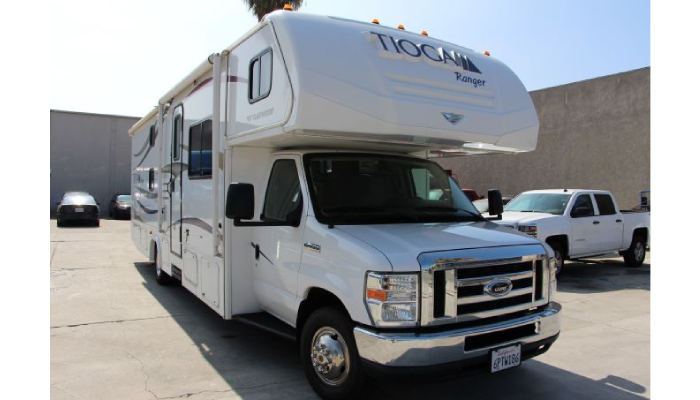

Owning an RV brings the freedom to travel and experience the outdoors while maintaining the comforts of home. However, like any vehicle, RVs can develop electrical problems that may disrupt your trip. Understanding how to troubleshoot common electrical issues in your RV is essential for ensuring a smooth journey. If you need professional RV repair in California, knowing when to seek expert help can save time, money, and potential hazards. Below, we explore common RV electrical problems, troubleshooting techniques, and when to consider professional repair services.
Understanding Your RV’s Electrical System
Before troubleshooting electrical issues, it’s important to understand how your RV’s electrical system functions. Most RVs use two electrical systems:
- 12-Volt DC System: Powers essential appliances such as lights, water pumps, and fans. This system runs on the RV’s battery and is charged by the engine, solar panels, or shore power.
- 120-Volt AC System: Powers larger appliances like air conditioners, microwaves, and refrigerators. This system requires shore power or a generator.
A problem in either system can affect multiple functions in your RV Repair in California, so identifying the source of the issue is the first step in troubleshooting.
RV Battery Not Charging
Potential Causes:
- Loose or corroded battery connections
- Faulty converter or inverter
- Blown fuses
- Aged or depleted battery
Troubleshooting Steps:
- Inspect Battery Terminals: Look for corrosion or loose connections and clean the terminals using a wire brush.
- Check the Converter/Inverter: If your battery isn’t charging when plugged into shore power, the converter may be faulty. Use a multimeter to check for output voltage.
- Test the Battery Voltage: A fully charged RV battery should read around 12.6 volts when disconnected and 13.5-14.5 volts when charging. If the voltage remains low, the battery may need replacement.
If troubleshooting does not resolve the issue, seeking RV repair in California can help prevent further electrical damage.
RV Lights Not Working Properly
Potential Causes:
- Blown fuses or tripped circuit breakers
- Faulty wiring or loose connections
- Dying or dead battery
Troubleshooting Steps:
- Check Circuit Breakers and Fuses: Locate the fuse box and inspect for blown fuses. Replace any that are broken.
- Inspect Wiring and Connections: Look for loose or disconnected wires, especially near light fixtures.
- Test the Battery: If lights dim when unplugged from shore power, the battery might be weak or not charging properly.
If the lights still don’t work after troubleshooting, a deeper electrical issue may require a professional diagnosis.
Power Outlets Not Functioning
Potential Causes:
- Tripped GFCI outlet
- Tripped breaker
- Loose or damaged wiring
Troubleshooting Steps:
- Reset GFCI Outlets: RVs are equipped with GFCI (Ground Fault Circuit Interrupter) outlets, usually found in kitchens or bathrooms. Press the reset button to restore power.
- Check Circuit Breakers: A tripped breaker can cut power to multiple outlets. Reset any tripped breakers in your electrical panel.
- Inspect the Shore Power Connection: If you’re connected to an external power source, ensure the shore power pedestal is working by testing it with another device.
If outlets still fail to work, professional RV repair in California may be necessary to address hidden wiring issues.
The RV Refrigerator Not Cooling Properly
Potential Causes:
- Power source issues (AC, DC, or propane)
- Faulty control board
- Blocked ventilation
Troubleshooting Steps:
- Confirm Power Source: Ensure the refrigerator is set to the correct power mode (electric or propane).
- Inspect the Ventilation Area: Dust, debris, or obstructions in the fridge’s ventilation system can reduce cooling efficiency.
- Check the Control Board: If the fridge won’t switch between power sources, the control board may be faulty.
If cooling issues persist, professional servicing may be required to diagnose electrical or mechanical problems.
Air Conditioner Not Turning On Or Blowing Warm Air
Potential Causes:
- Tripped breaker
- Low power supply
- Faulty thermostat
Troubleshooting Steps:
- Check the Breaker Panel: If the AC unit trips the breaker, reset it and monitor for further issues.
- Test the Shore Power Connection: Some RV parks have low-voltage power, which can affect AC performance. Try another power source.
- Inspect the Thermostat: A broken thermostat may prevent the AC from turning on. Test by adjusting the settings and listening for a click.
For persistent AC issues, an expert in RV repair in California can perform a detailed system check.
Circuit Breaker Keeps Tripping
Potential Causes:
- Overloaded electrical circuit
- Short circuit or faulty wiring
- Faulty breaker panel
Troubleshooting Steps:
- Unplug Appliances: Reduce the load by unplugging non-essential appliances and see if the breaker still trips.
- Inspect for Loose or Damaged Wires: Check for frayed wires or burnt connections near the breaker panel.
- Test the Breaker: If the breaker trips even with minimal load, it may be faulty and require replacement.
Overloaded circuits can be a fire hazard, so if breakers continue to trip, professional RV repair in California is recommended.
The Generator Won’t Start Or Stay Running
Potential Causes:
- Low fuel or oil levels
- Clogged fuel filter
- Dead starter battery
Troubleshooting Steps:
- Check Fuel and Oil Levels: Ensure the generator has sufficient fuel and the oil level is within the recommended range.
- Inspect the Fuel Filter: A clogged filter can prevent fuel from reaching the generator, causing it to stall.
- Test the Starter Battery: If the generator clicks but doesn’t start, the battery may be weak or dead.
If the generator continues to fail, professional repair services can inspect deeper mechanical or electrical problems.
Conclusion
Troubleshooting RV electrical issues is essential for maintaining a functional and safe travel experience. By following basic diagnostic steps, you can resolve minor problems on your own. However, when issues persist or involve major components like the generator, AC, or breaker panel, seeking RV repair in California ensures expert handling and long-term reliability. Regular maintenance, proper battery care, and timely repairs will keep your RV’s electrical system in top condition, allowing you to enjoy stress-free adventures on the road.


