
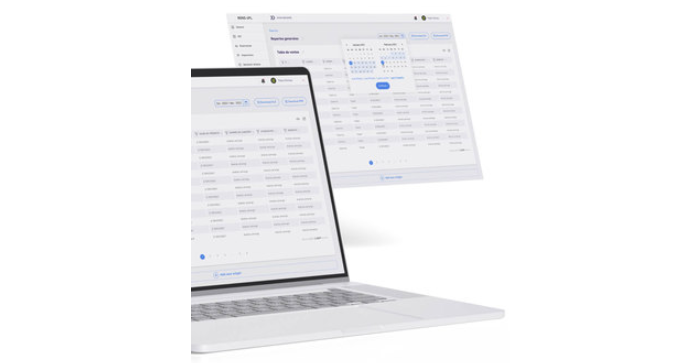

Getting started with Headless CMS solutions in Vancouver can be an exciting journey for businesses looking to modernize their content management. First, it is important to understand what a headless CMS is: it separates the backend, where content is stored, from the frontend, where it’s displayed. This approach allows more flexibility, enabling content delivery across multiple platforms using APIs. When considering this transition, evaluate your specific needs and collaborate closely with development teams to align your goals. Research various headless CMS platforms that fit your technical capabilities, and create a clear strategy for implementation that includes staff training and necessary integrations.
1. Understanding Headless CMS Solutions
Headless CMS solutions in Vancouver are a unique approach that separates the backend, where content is stored, from the frontend, which is how users see that content. This separation allows businesses to be more flexible in how they deliver content across different platforms, such as websites, mobile applications, and even digital displays. By using APIs (Application Programming Interfaces), a headless CMS can serve content wherever it is needed, ensuring that users have access to information regardless of the device they are using.
One of the main benefits of a headless CMS is its ability to manage different types of content seamlessly. For example, text, images, videos, and other media can be organized in a way that makes it easy to present and distribute them in various formats. This flexibility means that once content is created, it can be deployed across multiple channels without the need for repetitive work, enhancing overall efficiency.
Moreover, this approach places a strong emphasis on user experience. By ensuring content is accessible on any device, businesses can create a more engaging and consistent experience for their users. The decoupled architecture also simplifies maintenance tasks, as changes to the content can occur independently from changes to the website’s design or layout.
Integration with other systems is another key advantage of headless CMS solutions. They can connect seamlessly with e-commerce platforms, marketing tools, and other services, creating a cohesive digital strategy. This support for omnichannel strategies helps maintain brand consistency across various touchpoints.
Content updates are made easier as well, since changes can be implemented without affecting the frontend. This means less downtime and a smoother user experience. Additionally, security is often enhanced, as the backend is isolated from the frontend, reducing vulnerabilities.
Lastly, many headless CMS options come with active communities and support resources, which can be incredibly helpful for users who need assistance with troubleshooting or optimization. This combination of flexibility, enhanced security, and community support makes headless CMS solutions an attractive choice for businesses looking to improve their content management strategies.
2. Why Choose Headless CMS for Your Business?
Choosing a headless CMS for your business offers significant advantages that can enhance your overall content strategy. One of the main benefits is the flexibility it provides across platforms. This system allows you to deliver content seamlessly across various channels, ensuring a consistent user experience whether on websites, mobile apps, or digital displays. By creating content once and deploying it anywhere, you can streamline operations and improve efficiency.
Moreover, a headless CMS helps future-proof your content strategy. It adapts easily to new platforms and technologies, allowing your business to remain relevant as consumer preferences shift. New devices can be integrated quickly without the need for major system overhauls, which is particularly valuable in today’s fast-paced digital landscape.
From a developer’s perspective, a headless CMS enhances the experience significantly. Developers can choose modern frameworks like React or Angular, encouraging creativity and innovation. This flexibility reduces constraints compared to traditional CMS, resulting in faster development cycles.
Performance is another key factor. The separation of backend and frontend components can lead to quicker load times and a more responsive user experience, which is crucial for user engagement and search engine optimization. Improved performance can also translate into better search rankings, driving more traffic to your digital properties.
In terms of cost-effectiveness, a headless CMS can reduce long-term expenses by minimizing the need for extensive updates and maintenance. As your business grows, a headless CMS easily scales to accommodate increased content volume without compromising performance, making it a smart investment.
3. Recognizing the Right Time for Headless CMS
Choosing the right moment to adopt a headless CMS can significantly impact your business. If your organization operates across various digital channels, a headless CMS allows for multi-platform content delivery. This is particularly beneficial for companies aiming for a unified content distribution strategy, ensuring that your brand message remains consistent across all platforms.
Another indicator that it may be time to switch is the need for customization. If your projects require a highly tailored frontend experience, a headless CMS provides the flexibility to use preferred development tools, enhancing creativity and innovation.
Scalability is a crucial factor as well. A headless CMS supports rapid scaling of content strategies as your business grows, eliminating the need for major infrastructure changes. This is especially helpful when you experience increased content volume, as a headless system can efficiently handle the demands of expansive content needs.
Speed is also an essential consideration. If fast load times and performance are priorities for your digital platform, a headless CMS can optimize content delivery, leading to a better user experience. Additionally, if your existing systems are outdated or limited, transitioning to a headless CMS can modernize your content delivery methods.
For businesses looking to expand globally, a headless CMS simplifies the localization and adaptation process, making it easier to reach international audiences. Furthermore, if your digital platforms require complex user interactions, a headless CMS can greatly enhance engagement and user satisfaction. Finally, if audience preferences are shifting toward new platforms or devices, a headless CMS allows for quick adaptation, ensuring you stay relevant in a rapidly changing digital landscape.
4. Steps to Implement Headless CMS Effectively
To implement a headless CMS effectively, start by assessing your content management needs. This involves identifying the specific requirements and challenges your organization faces in managing content. Understanding these needs will help determine if a headless solution is the right fit. Next, collaborate with your development teams. Engaging with technical staff is crucial to understanding the implications of transitioning to a headless CMS and ensuring it aligns with your business goals.
Once you have clarity on your needs and team input, explore popular headless CMS platforms. There are many options available that offer robust APIs and flexible content modeling. Research different platforms to find one that matches your organizational needs and technical capabilities. After selecting a platform, strategize your implementation. Create a clear plan that includes necessary training for your staff and outlines how to set up integrations for effective content delivery.
Consider starting with a pilot project to test the headless CMS functionality and workflow. This allows you to identify any potential issues before a full rollout. User training is also vital; provide comprehensive training for both content creators and developers to ensure smooth adoption. Establish a feedback loop to gather insights from users, which can help refine processes and address challenges during the implementation phase.
As you transition to a headless system, implement security measures to protect your content and user data. Once the system is live, regularly monitor its performance to ensure it meets your desired objectives.
- Assess Content Management Needs: Identify specific requirements and challenges regarding content management to determine if a headless solution is appropriate.
- Collaborate with Development Teams: Engage with technical teams to understand the implications of transitioning to a headless CMS and ensure alignment with business goals.
- Explore Popular Platforms: Research various headless CMS platforms available, which provide robust APIs and flexible content modeling.
- Strategize Implementation: Create a clear plan for transitioning, including training for staff and setting up necessary integrations for effective content delivery.
- Pilot Testing: Start with a pilot project to test functionality and workflow before full implementation.
- User Training: Provide comprehensive training for content creators and developers to ensure smooth adoption.
- Monitor Performance: After implementation, regularly assess performance to ensure it meets desired objectives.
5. Exploring Different Headless CMS Platforms
When exploring headless CMS platforms, it’s essential to compare popular options based on key criteria. Start with features like content modeling, multi-channel delivery, and ease of integration. Pricing varies significantly, so look for a solution that fits your budget while offering scalability for future growth. User feedback is invaluable; platforms with strong communities often provide insights into real-world usability.
Flexibility is another critical factor. Evaluate how each platform allows for customization and integration with existing tools, as this can greatly affect your development workflow. Strong API capabilities can enhance content delivery across different platforms, so investigate how robust the APIs are for the solutions you consider.
User interface matters, too. A user-friendly design can make it easier for content creators and developers to collaborate. Look for platforms that offer extensive support resources, including customer service, documentation, and community forums. This support can be crucial as you navigate the transition to a headless setup.
Performance metrics should not be overlooked. Analyze speed and reliability benchmarks to ensure the platform can handle your traffic without compromising user experience. Security features are also vital; assess what measures each platform has in place to protect sensitive data and content.
Take advantage of trial versions or demos to test functionality before making a decision. Finally, consider how adaptable each platform is to emerging technologies and trends, which can help future-proof your content strategy. Reviewing case studies of businesses that have successfully implemented specific headless CMS platforms can provide valuable insights and guide your choice.
6. Collaborating for Successful Headless CMS Adoption
To ensure a successful transition to a headless CMS, cross-department collaboration is essential. It’s important to engage various teams, including marketing, IT, and design, to gather insights and align goals effectively. Establishing clear communication channels helps maintain transparency, allowing teams to share updates and address concerns throughout the adoption process.
Defining roles for team members involved in the transition is crucial for accountability. Each person should understand their responsibilities, which helps streamline the adoption. Setting realistic timelines is also vital; a well-thought-out timeline that accounts for potential challenges allows for necessary adjustments along the way.
Gathering user feedback regularly can significantly enhance the user experience. By soliciting input from end-users, you can identify areas that need improvement and make informed decisions. Implementing training programs is another key step. These sessions educate employees on the new system and best practices for using a headless CMS.
Fostering a supportive culture encourages openness and adaptability as teams navigate this change. Celebrating milestones throughout the implementation process can motivate teams and reinforce a sense of accomplishment. Additionally, documenting processes helps maintain consistency and aids future users.
Lastly, establishing a framework for continuous improvement ensures that the headless CMS strategy evolves over time. Regular evaluations will help refine content strategies and improve overall effectiveness.
7. Future-Proofing Content Strategies with Headless CMS
Adopting a headless CMS can significantly future-proof your content strategy. It allows businesses to adapt to new technologies as they emerge, ensuring they stay relevant in a fast-changing digital landscape. For instance, when consumers shift their preferences towards new platforms or formats, a headless CMS enables quick integration without major overhauls.
Enhanced customer engagement is another benefit, as delivering personalized content across multiple channels meets diverse customer needs and preferences. By leveraging data-driven insights from analytics, businesses can fine-tune their content strategies for better reach and effectiveness. This approach aids in making informed decisions that drive future growth.
Integrating AI technologies can further enrich content personalization, creating improved user experiences. Additionally, a headless CMS supports the expansion of content types, allowing organizations to easily add new formats like video or interactive content, which are becoming increasingly popular.
For businesses looking to expand globally, headless CMS simplifies localization for different markets and languages, making it easier to tailor messages for various audiences. Moreover, with responsive design, content is optimized for multiple devices, enhancing accessibility and user experience across the board.
Long-term cost savings are also a factor, as reducing the frequency of updates and maintenance can lead to significant financial benefits over time. By consistently delivering high-quality content across channels, companies can strengthen their brand presence. This agility and adaptability help businesses stay ahead of competitors in a rapidly evolving market.
Frequently Asked Questions
What is a headless CMS?
A headless CMS is a content management system that separates the backend (where content is created and managed) from the frontend (how content is presented to users). This allows for greater flexibility in delivering content across different platforms.
Why should I consider using a headless CMS in Vancouver?
Using a headless CMS in Vancouver can help you easily manage content for websites, apps, and digital displays. It offers scalability and allows businesses to adapt quickly to changing needs in the digital space.
How do I know if a headless CMS is right for my project?
To determine if a headless CMS is right for you, consider your project’s needs for flexibility, future growth, and the various channels you want to deliver content on. If you have diverse needs, it might be a good fit.
What are some popular headless CMS options available?
Some popular headless CMS options include Contentful, Strapi, and Sanity. Each offers different features and focuses, so it’s good to explore which best meets your project needs.
How can I start using a headless CMS for my website?
To get started with a headless CMS, research your options, choose the one that fits your needs, and follow its setup guides to create and manage your content efficiently.
TL;DR Headless CMS solutions separate content management from presentation, offering flexibility for businesses. This approach enables seamless delivery across various platforms, adapts easily to new technologies, and improves performance. It is ideal for organizations needing multi-platform support, customization, and scalability. To get started, assess your content needs, collaborate with development teams, explore platforms, and strategize implementation. Adopting a headless CMS can empower Vancouver businesses to enhance their digital experiences while future-proofing their content strategies.


