
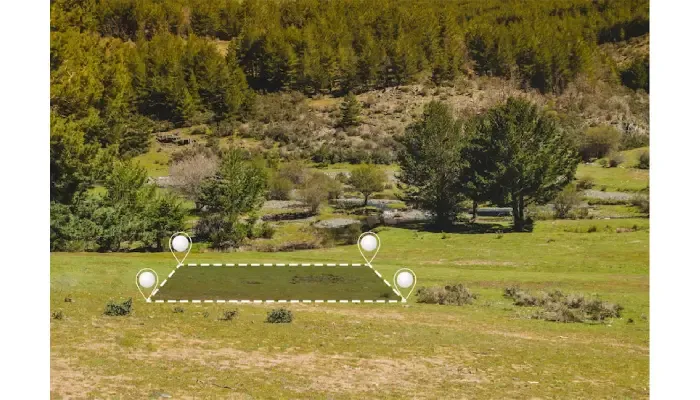

Selling vacant land can be tricky, yet with some thoughtful strategies, you can find the right buyers. Start by understanding who your potential buyers might be. This could include home builders looking to develop residential areas, investors wanting land for future gains, or even recreational enthusiasts seeking a spot for fun outdoor activities. To spread the word effectively, utilize online listings on popular real estate sites. Don’t forget about social media promotion and local ads too; these can significantly widen your reach. Lastly, consider selling to cash buyers since they often make quicker offers, streamlining the process for you.
1. Understand Your Target Market to Sell Vacant Land
To effectively sell vacant land, you need to know who your potential buyers are. Start by identifying key demographics, such as age, income, and purchasing habits. For instance, younger buyers might be looking for affordable lots to build starter homes, while older buyers could be interested in larger parcels for recreational use or retirement homes. Next, analyze the type of land that is in demand in your area. Are buyers looking for residential plots, commercial spaces, or agricultural land? Understanding this can help you position your property correctly.
Geographic preferences also play a significant role. Some buyers might prefer urban settings for convenience, while others may seek the tranquility of rural areas. Gather insights through surveys or interviews to learn what buyers are specifically looking for, such as proximity to schools or access to outdoor activities. Keep an eye on market trends, land prices can fluctuate, and zoning laws can change, which may impact buyer interest.
Creating detailed buyer personas can help you tailor your marketing strategies effectively. Consider seasonal trends as well; land sales often peak in spring or summer, so timing your marketing efforts can make a difference. Utilize online analytics tools to assess buyer behavior on real estate websites, giving you a clearer picture of what attracts potential buyers. Collaborate with local real estate agents who have valuable insights into the market, and engage with community groups to understand the values and preferences of your target audience.
- Identify demographics: Research age, income, and purchasing habits of potential buyers.
- Analyze land usage: Understand what types of land are in demand, such as residential, commercial, or agricultural.
- Explore geographic preferences: Determine if buyers prefer urban, suburban, or rural locations.
- Gather buyer insights: Conduct surveys or interviews to learn what buyers are specifically looking for in vacant land.
- Monitor market trends: Stay updated on changes in land prices, zoning laws, and buyer preferences in your area.
- Create profiles: Develop detailed buyer personas to tailor your marketing strategies effectively.
- Consider seasonal trends: Recognize that land sales may peak during certain times of the year, such as spring or summer.
- Utilize online tools: Use analytics tools to assess buyer behavior on real estate websites.
- Engage with local agents: Collaborate with real estate agents who have insights into the local market and buyer interests.
- Network with community groups: Join local organizations or forums to better understand what potential buyers value.

2. Effective Marketing Strategies for Selling Land
Developing a unique selling proposition is crucial for making your land stand out. Clearly articulate what makes your property special, whether it’s stunning views, prime location, or unique zoning options. High-quality visuals can significantly enhance your listing; use professional photos and videos to showcase the land’s features and nearby attractions. When writing descriptions, focus on key attributes like location benefits, accessibility, and zoning information to appeal to potential buyers.
Email marketing is another effective tool; build a list of interested buyers and send targeted emails with property updates and promotions. Offering virtual tours through video or 3D mapping gives buyers a better sense of the property without needing to visit in person. Additionally, online advertising such as pay-per-click ads on platforms like Google or social media can help you reach a broader audience.
Hosting open days allows potential buyers to visit the property, ask questions, and connect with you directly. Collaborating with local real estate influencers can also amplify your reach, tapping into their established audiences. Don’t forget to use signage; a clear and attractive ‘For Sale’ sign on the property can grab the attention of passersby. Finally, creating a dedicated website or landing page specifically for your land listing can serve as a central hub for information and inquiries.
3. Online Platforms to Consider for Land Sales
When it comes to selling vacant land, online platforms can significantly enhance your visibility and reach. Start, where you can explore the land category to list your property with detailed descriptions and high-quality images. This site attracts a large audience, increasing the chances of finding interested buyers.
Next, consider which offers various search filters. Buyers can fine-tune their searches based on specific land types, making it easier for your listing to be discovered by the right audience.
Another excellent option, a platform specifically designed for land sales. This site targets buyers interested in purchasing land for farming, recreation, or investment, ensuring your property gets the attention it deserves.
If your land is suitable for commercial use. It’s primarily focused on commercial real estate, allowing for broader exposure to potential commercial buyers.
Don’t overlook local classifieds like Craigslist or Facebook Marketplace. These platforms are great for reaching local buyers who might be interested in your land.
Engaging with real estate forums can also be beneficial. By participating in online communities where land buyers discuss their interests, you can gain insights and connect with potential buyers directly.
For a competitive edge, consider listing your land on auction sites. This approach can generate excitement and attract buyers willing to bid competitively.
You might also look into online real estate agents who specialize in selling properties online. They can help market your land effectively and navigate the selling process.
Lastly, research niche sites that cater to specific land types, such as hunting or recreational use. Listing on these platforms can connect you with buyers whose interests align closely with what your land offers.
4. Consider Selling to Cash Buyers
Selling to cash buyers can make the process of selling your vacant land much smoother and quicker. First, identify local investors who frequently purchase land for cash. Research the real estate investment scene in your area, and make connections with those who have a track record of buying properties outright. Understanding what cash buyers look for is essential, so familiarize yourself with their criteria. Typically, they seek attractive prices and properties that can generate a good return on investment. To appeal to these buyers, prepare a competitive price based on thorough market research, ensuring your land is priced attractively.
Be ready for quick negotiations, as cash buyers often want to move fast. Having all your documentation organized, including title information and any zoning details, can facilitate swift transactions. Highlight the benefits of cash sales in your marketing, such as quicker closings and less paperwork, which can be particularly appealing to investors.
Networking is key; attend real estate investment meetings or join online groups where you can connect with potential cash buyers. Additionally, consider direct marketing strategies, such as sending targeted emails or letters to local investors to inform them about your land sale.
Make sure that your title documentation is clear to avoid any issues during the sale. Offering incentives, like covering closing costs or providing small discounts, can make your property more attractive to cash buyers. Finally, stay flexible with terms and be open to negotiations regarding the price and conditions, as this can help close the deal.
5. Tips for a Successful Land Sale
Enhancing the visibility of your property is key to attracting buyers. Make sure the land is clean and well-maintained before showings. A well-kept property creates a positive first impression. Consider using drone photography to capture stunning aerial views of the land, which can effectively showcase its size and surroundings. Including a detailed map that highlights the land’s location and nearby amenities or attractions can also help buyers visualize the potential of the property. It’s important to highlight zoning advantages, too, as informing potential buyers about zoning regulations and what they can build on the property can make it more appealing.
Creating an information packet with all relevant details, such as property size, zoning information, and any unique features, can streamline the process for interested buyers. Being responsive to inquiries is crucial; promptly answering questions can maintain buyer interest. If navigating the selling process seems daunting, consider hiring a real estate agent. An experienced agent can connect you with potential buyers and guide you through the complexities of the sale.
Offering financing options, if possible, can attract more buyers. Many people appreciate the flexibility that financing provides, which can make your property stand out. Throughout this process, staying positive is essential. Approach the selling journey with an optimistic mindset, knowing that the right buyer will eventually come along. Finally, seeking feedback after showings can be invaluable. Asking potential buyers for their thoughts can help you refine your selling strategy and better understand what resonates with your audience.
6. Legal Considerations When Selling Land
Understanding the legal aspects of selling land is crucial to avoid future complications. First, familiarize yourself with local laws, as regulations can vary significantly by location. Each area may have specific requirements for selling land, and knowing these can save you time and trouble down the line. Next, prepare all necessary documents, including the title deed, surveys, and tax records, to ensure a smooth transaction.
Consulting a real estate attorney is a wise step. They can provide guidance on compliance with legal requirements and help you navigate any complex issues that may arise. Transparency is important, so disclose any conditions related to the land, such as easements or environmental concerns, to potential buyers. This honesty helps build trust and can prevent disputes later.
Drafting a clear purchase agreement is essential. This document should outline all terms of the sale, including price, contingencies, and other important details, protecting both you and the buyer. Additionally, be mindful of tax implications; understanding any capital gains taxes or fees associated with the sale can help you plan accordingly.
It’s also important to verify zoning regulations before selling. Providing accurate zoning information can attract the right buyers and avoid complications. Consider obtaining title insurance, as it protects against claims or disputes regarding the title after the sale. Set clear closing terms, including timelines and procedures, to avoid misunderstandings. Lastly, keep communication open with the buyer throughout the process. This can help ensure a smooth transaction and foster a good relationship.
Frequently Asked Questions
1. What are the best places to advertise my vacant land for sale?
You can advertise your vacant land on real estate websites, social media platforms, local newspapers, and community bulletin boards. Online marketplaces also offer great visibility.
2. How can I make my vacant land more appealing to buyers?
You can enhance your land’s appeal by cleaning it up, providing clear access, highlighting nearby amenities, and considering some basic landscaping or improvements.
3. What documents do I need to have ready when selling vacant land?
You should prepare the deed, survey reports, property title, and any relevant zoning documents. Having these ready can help speed up the selling process.
4. How can I reach potential buyers interested in vacant land?
To reach potential buyers, network within your community, attend local real estate events, and use targeted online advertising aimed at land buyers.
5. What factors should I consider when selling my vacant land?
Consider the location, size, access to utilities, zoning regulations, and market demand. Understanding these factors can help you attract the right buyers.
TL;DR Selling vacant land can be tough, but understanding your target market is key. Identify potential buyers like home builders, investors, and recreational users. Use effective marketing strategies, including online listings on platforms like Zillow and social media promotion. Consider targeting cash buyers for a quicker sale. Enhance curb appeal and provide detailed property information to attract interest. Finally, keep legal aspects in mind to ensure a smooth transaction. With patience and persistence, you can successfully find buyers for your land.
Resource URL:


