
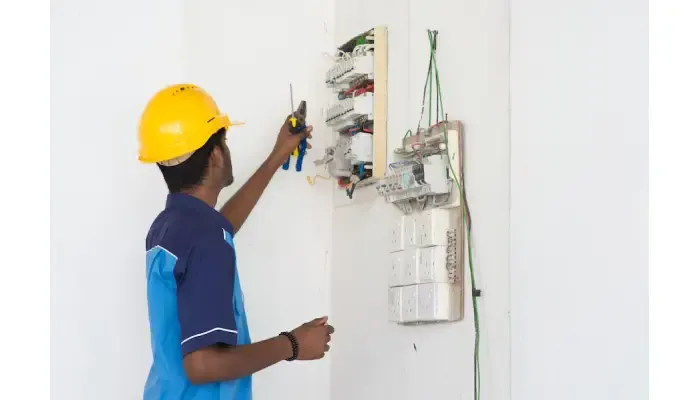

When budgeting for residential construction electrical services, it’s important to consider various factors. First, understanding the electrical system is essential as it involves components like wiring, outlets, and light fixtures. The size and complexity of your home play a significant role—larger homes mean more materials. Local labor rates can also vary widely by region and expert knowledge. Remember to account for material costs depending on quality and brands. A general estimate usually falls between $2 to $4 per square foot for basic wiring. To manage your budget effectively, prioritize essential features first and get multiple quotes from electricians for fair pricing.
1. Understand Your Home’s Electrical System
Getting to know your home’s electrical system is vital before diving into budgeting for residential construction electrical services in Winston Salem. Start by familiarizing yourself with the main components, which include wiring, outlets, circuit breakers, and light fixtures. Understanding how electricity flows through your home and the role of the electrical panel is essential. For instance, the electrical panel acts as the hub that distributes power throughout your home, and knowing its capacity helps in planning for future needs.
Wiring is a crucial element, and you’ll want to learn about different types, such as copper and aluminum, each serving specific purposes. Copper is generally preferred for its conductivity, while aluminum may be used in certain applications due to cost considerations. It’s also important to identify common electrical issues like flickering lights or tripped breakers, which could indicate underlying problems that need addressing.
Recognizing the significance of grounding and circuit protection contributes to a safe electrical design. Grounding helps prevent electrical shocks and protects your appliances from surges. Additionally, be mindful of how appliances impact your electrical load. Larger appliances like refrigerators and air conditioners demand more power, affecting your overall system requirements.
Load calculations are crucial in preventing overloads, ensuring that your system can handle the demand without risk of failure. Familiarize yourself with local electrical codes and regulations, as these can influence your budgeting and safety measures. Lastly, consider how any renovations might impact existing electrical systems. Upgrading wiring or adding new circuits may be necessary, and staying updated on advancements in electrical technology, like smart home integrations, can also inform your budgeting decisions.

2. Key Factors Influencing Electrical Budgets
When budgeting for electrical services in residential construction, several key factors come into play. First, assessing the total square footage of the home helps gauge the necessary materials. A larger space will naturally require more wiring and fixtures, which can significantly increase costs. Next, evaluate the electrical load requirements based on the number and type of appliances planned for use. For instance, a home with multiple HVAC systems or electric vehicle chargers will demand a more robust electrical setup, impacting budget considerations.
Considering future expansions or renovations is also crucial. If you plan to add rooms or upgrade appliances down the road, it’s wise to invest in a system that can accommodate these changes without needing extensive rework.
The age of the home plays a vital role, too. Older homes may require extensive rewiring or upgrades to meet modern codes, which can add to the budget. Additionally, identifying potential obstacles, such as the need for new circuit installations or panel upgrades, can prevent unexpected costs.
Seasonal variations in labor costs should not be overlooked. Rates can fluctuate throughout the year, often peaking during the summer months when demand is high. Keeping an eye on local labor trends can help you choose the right time to start your project.
Investigating local incentives for energy-efficient upgrades can also offset costs. Many areas offer rebates or tax credits for energy-efficient installations, which can make a significant difference in your overall budget. Lastly, understanding the local building code requirements and any associated permit costs is essential. Each region has its guidelines, and ensuring compliance can prevent costly fines or delays.
- Assess the total square footage of the home to gauge material needs.
- Evaluate the electrical load requirements based on the number and type of appliances used.
- Consider future expansions or renovations that may affect current electrical setups.
- Account for the age of the home, as older homes may need more extensive rewiring.
- Identify potential obstacles, such as the need for new circuit installations or panel upgrades.
- Review seasonal variations in labor costs, as they can fluctuate throughout the year.
- Investigate local incentives for energy-efficient upgrades, which can offset costs.
3. Estimating Electrical Service Costs
To effectively estimate the costs of electrical services for your residential construction project, start by breaking down expenses into clear sections: wiring, fixtures, labor, and miscellaneous fees. Basic wiring and installation typically range from $2 to $4 per square foot, while lighting fixtures can vary greatly in price, with standard ceiling fans costing anywhere from $100 to $500 each, not including installation.\
Using online cost calculators can provide you with preliminary estimates tailored to your specific needs. However, for the most accurate budgeting, research the typical costs for specific installations in your area. This can help you gauge whether a quote is reasonable.\
Consulting multiple electricians is essential; this allows you to compare quotes and services, ensuring you get the best deal. Additionally, don’t forget to include costs for permits and inspections, which are often required by local building codes. If you need to remove old wiring or fixtures, factor that into your budget as well.\
Seasonal discounts or promotions from suppliers can also impact your overall costs, so keep an eye out for those opportunities. If you’re purchasing materials from distant suppliers, remember to account for delivery fees.\
Decide whether you want to buy materials yourself or let the electrician handle it, as this choice can significantly affect pricing. Keeping meticulous records of all estimates and quotes will serve as a useful reference throughout the project, helping you to stay within budget and make informed decisions.
4. Strategies for Budget Management
To effectively manage your budget for residential construction electrical services, start by establishing a clear budget before kicking off your project. This initial step is crucial; however, it’s equally important to stick to it as closely as possible. As the project unfolds, regularly review and adjust your budget to accommodate any changes or unexpected expenses. Consider creating a separate fund specifically for unforeseen costs, which helps prevent the need to dip into your main budget. Utilizing a project management tool or even a simple spreadsheet can be beneficial for tracking expenses in real-time, ensuring you remain on top of your financial commitments.
Open communication with your electrician about budget constraints and priorities can lead to better decision-making and cost-saving strategies. Don’t hesitate to seek advice from experienced homeowners or contractors who have navigated similar projects; their insights can be invaluable. If you find your upfront costs exceed your budget, explore financing options to ease the financial burden.
Additionally, identify areas where you can cut costs without compromising quality. For instance, taking on some DIY tasks can significantly reduce labor expenses. It’s also wise to plan for long-term savings by investing in energy-efficient installations. Documenting all expenses throughout the project is essential for evaluating the effectiveness of your budgeting strategy and making informed decisions for future projects.
5. The Importance of Professional Help
Hiring a professional electrician is crucial for any residential construction project. It’s important to research and verify the credentials of potential electricians before making a decision. Look for licensed and insured professionals to protect yourself against liability. Checking reviews and asking for references from previous clients can provide insights into their reliability and quality of work. Requesting detailed proposals that outline all costs, timelines, and services included will help you understand what to expect.
A walkthrough of the project site with the electrician can clarify expectations and ensure everyone is on the same page. Discuss any specific electrical needs you may have, as this will help align with the electrician’s expertise. For complex projects that require specialized knowledge, consider hiring an electrical engineer to ensure the best outcome. Establishing clear communication channels throughout the project is essential for addressing any concerns that may arise.
Before signing a contract, review it thoroughly to avoid misunderstandings down the line. Trusting professional advice is key to ensuring safety and compliance with building codes, ultimately leading to a successful and efficient electrical installation.
6. Standard Process for Cost Estimation
To begin the cost estimation process, an initial consultation is essential. This meeting allows you to discuss project scope and specific requirements with the client. Next, reviewing the architectural plans and electrical blueprints is crucial for making accurate estimations. A site visit should follow to assess existing conditions and identify any potential challenges that may impact costs.
Once you have a clear understanding of the project, prepare a detailed list of materials based on the specifications discussed. This includes everything from wiring to fixtures. After that, calculate the estimated labor hours required to complete the project, multiplying these hours by the hourly wage of your electricians to determine total labor costs.
It’s equally important to factor in overhead costs. This includes expenses related to tools, equipment, and administrative tasks, typically adding about 13-20% to the total cost. Additionally, including a contingency percentage—usually around 10-20%—in your estimate will help accommodate any unexpected expenses that may arise.
Once all calculations are complete, prepare a final written estimate that details all costs and conditions. Present this estimate to the client, taking the time to address any questions or adjustments they may need. Maintaining engagement is key, so follow up after submitting the estimate to keep the lines of communication open.
7. Different Methods for Estimating Costs
Estimating costs accurately is crucial for managing budgets in residential electrical construction. One effective way to get clear visibility on smaller projects is the per-point method. This involves assigning a fixed price to each point in the electrical system, making it easier to calculate overall costs. For larger installations, the labor unit method can be beneficial, as it helps you understand the amount of work required for each component. Another approach is the pre-build method, which provides a more generalized estimate based on the square footage of the home. This can streamline the budgeting process for larger projects.
Using historical data from past projects can also enhance your estimating accuracy. By adjusting for inflation and considering previous expenses, you can make informed estimates that reflect current market conditions. Incorporating feedback from electricians about their time and material needs further refines these methods, ensuring that your estimates are realistic.
For quick, informal estimates, the guesstimation method can be handy. However, it’s essential to adapt your estimation method based on the project’s complexity and the specific needs of your client. Combining multiple methods may provide a more comprehensive estimate that captures all aspects of the project.
Regularly reviewing and revising your estimation methods will improve accuracy over time. Documenting lessons learned from each project can also inform future estimating processes, making your budgeting more effective and reliable.
8. Importance of Documentation
Maintaining thorough documentation is vital in residential construction electrical services. Start by keeping detailed records of all estimates, contracts, and communications with clients. This not only establishes transparency but also builds trust. Creating a checklist of required documentation for each project phase helps ensure that nothing is overlooked, creating a smoother workflow.
Storing project documents in a centralized location makes them easily accessible and organized, which can save time and reduce confusion. Consider using digital tools or software to track estimates and contracts efficiently, as this can streamline the entire process.
At the end of the project, preparing a final report that summarizes the project scope, costs, and outcomes is beneficial for future reference. Documenting any changes or adjustments made during the project is crucial, as it clarifies the reasons behind any budget variations that may arise. Including photographs of the completed work serves as visual documentation of progress and quality, providing additional assurance to clients.
Ensure that all documentation is clear and understandable to clients to help reduce potential disputes. This documentation can also serve as a basis for evaluating contractor performance and budgeting accuracy. Regularly reviewing and updating your documentation practices will help maintain efficiency and effectiveness in your projects.
9. Final Checks Before Project Start
Before diving into the construction project, it’s crucial to conduct final checks to ensure everything is in place. Start by reviewing the final estimate with all stakeholders, confirming that everyone understands and agrees on the costs and scope. Next, make sure that all necessary permits and approvals are secured, as starting without them can lead to costly delays. Additionally, verify that all materials are ordered and scheduled for timely delivery to avoid interruptions to the workflow.
Align the project timeline with the availability of your contractor and your own expectations. A pre-project meeting with the electrician will help finalize details and expectations, making sure everyone is on the same page. Double-check all calculations for accuracy in the final estimate to prevent any surprises later on. It’s also wise to prepare a project timeline that highlights key milestones and deadlines to keep the project on track.
Establishing a clear communication plan is essential for providing regular updates and progress reports. Prior to starting work, ensure that safety measures and protocols are firmly in place to protect everyone involved. Lastly, having a contingency plan ready for unexpected delays or issues can save you time and stress, ensuring that your project runs as smoothly as possible.
Frequently Asked Questions
1. What should I consider when planning my electrical services budget?
Think about the size of your home, the complexity of the electrical work, and what specific services you need, like lighting installation or rewiring.
2. How can I prioritize electrical needs in my construction project?
Start by identifying essential services, like wiring for safety and functionality, and then consider any upgrades or additional features you want later.
3. What types of services are typically included in residential electrical work?
Common services include installing outlets and switches, lighting fixtures, circuit breakers, and total home wiring to meet current codes.
4. How do building codes affect my electrical budget?
Building codes dictate safety standards and can impact your budget because you may need to meet specific requirements that add to the overall costs.
5. Should I hire a licensed electrician for my construction project?
Yes, hiring a licensed electrician is crucial. They ensure the work is done safely and up to code, which can save you headaches in the long run.
TL;DR To budget for residential electrical services, understand your home’s electrical system and its components. Key budget influencers include home size, system complexity, local labor rates, material costs, and building codes. Estimate costs by calculating wiring and installations, factoring in lighting, and preparing for unexpected expenses. Manage your budget by prioritizing needs, gathering multiple quotes, and considering energy-efficient options. It’s crucial to hire a professional electrician for accurate estimates and compliance. Use standard estimation processes and methods for accuracy, and maintain thorough documentation. Lastly, double-check all calculations before starting the project.


