
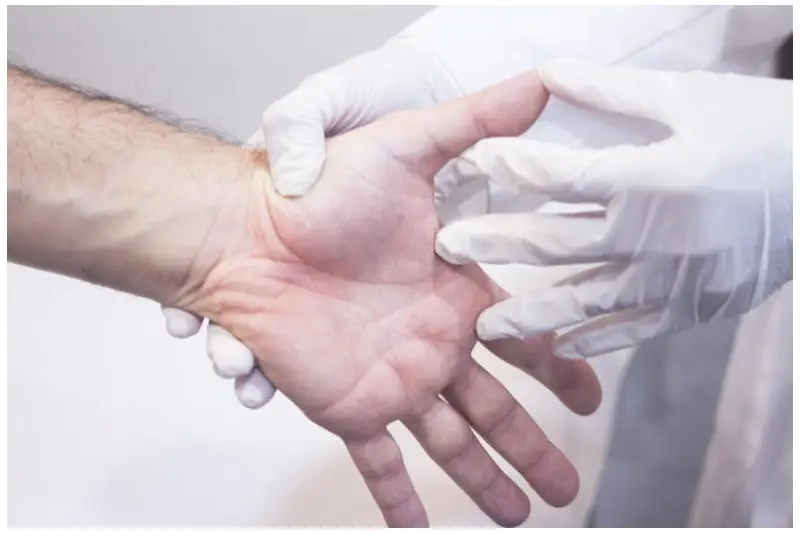

Trigger finger, a condition where the finger gets stuck in a bent position, can be painful and frustrating. Corticosteroid injections are a common treatment option to reduce inflammation and relieve symptoms. These injections provide significant relief for many individuals, but the duration of their effectiveness can vary. Understanding how long corticosteroid injections last, and what factors influence their longevity, is important for managing expectations and planning for further treatment if necessary.
What Is a Corticosteroid Injection for Trigger Finger?
Trigger finger treatment are designed to reduce inflammation in the tendon sheath that surrounds the affected finger tendon. The injection contains a steroid, usually corticosteroid medication, which works by decreasing the swelling and pain in the affected area. This type of treatment is commonly used when non-invasive therapies like rest or splinting have not provided sufficient relief. The goal is to alleviate the symptoms and improve the range of motion of the finger, allowing individuals to resume normal activities.

How Do Corticosteroid Injections Work for Trigger Fingers?
The corticosteroid medication is injected directly into the tendon sheath where the trigger finger occurs. It works by decreasing the inflammation around the tendon, which allows the tendon to glide more easily and reduces pain. The injection also helps to ease any swelling that might be restricting the movement of the finger. While corticosteroid injections can provide immediate relief, their effects may not last indefinitely. The duration of relief varies between individuals, and multiple injections may be needed in some cases.
Factors That Affect the Duration of Corticosteroid Injections
Several factors influence how long corticosteroid injections last for the trigger finger. These include the severity of the condition, the overall health of the individual, and how well the finger responds to the injection. Some patients experience immediate relief that lasts for months, while others may need to have the injection repeated sooner. Other factors like age, lifestyle, and whether other underlying conditions (such as diabetes) are present can also play a role in the duration of relief.
Average Duration of Relief From Corticosteroid Injections
For many individuals, the relief from corticosteroid injections for trigger finger lasts anywhere from 1 to 3 months. However, some patients may experience longer-lasting results, with relief continuing for up to 6 months or more. It is also important to note that some individuals may not experience significant relief from just one injection and may require additional injections over time. If the injection provides substantial relief, it can help delay or prevent the need for more invasive treatments like surgery.
When to Consider Additional Corticosteroid Injections?
In cases where corticosteroid injections provide significant relief, but the symptoms return, additional injections may be considered. However, doctors typically limit the number of injections to avoid potential side effects, such as tendon weakening or joint damage. If a patient requires multiple injections over time, the doctor may suggest exploring alternative treatments like physical therapy or, in more severe cases, surgical intervention. It’s essential to follow your doctor’s advice regarding the frequency of injections to ensure optimal long-term outcomes.
Risks and Side Effects of Repeated Corticosteroid Injections
While corticosteroid injections can be very effective, repeated injections over time can lead to side effects. These may include thinning of the skin, damage to the tendon, or a reduction in the joint’s range of motion. In some cases, repeated use of corticosteroid injections may lead to joint instability or the worsening of the condition. It’s important to work closely with a healthcare provider to monitor for any potential side effects and ensure that the benefits of the injections outweigh the risks.
Alternatives to Corticosteroid Injections for Trigger Finger
For those who do not respond well to corticosteroid injections or prefer not to use them, there are alternative treatments for trigger finger. These can include physical therapy, stretching exercises, or the use of splints to rest the finger. In more severe cases, surgical options may be considered, which involve releasing the tendon that is causing the locking. Each treatment approach comes with its own set of benefits and risks, and your healthcare provider can help guide you toward the best option for your specific case.
How to Maximize the Effectiveness of Corticosteroid Injections?
To make the most of corticosteroid injections for trigger finger, it is essential to follow post-injection care instructions carefully. This may include rest, avoiding excessive use of the finger, and applying ice to the treated area to reduce swelling. Gentle stretching exercises, as recommended by a healthcare provider, can also help maintain mobility and prevent the finger from becoming stiff after the injection. Ensuring proper follow-up care and working with a healthcare provider can enhance the overall effectiveness of the treatment.
Conclusion
Corticosteroid injections are an effective treatment option for many individuals with trigger finger, providing temporary relief from pain and inflammation. The duration of relief can vary, typically lasting from 1 to 3 months, depending on individual factors. While repeated injections may be necessary for some, it’s essential to be mindful of potential side effects and work with your healthcare provider to monitor progress. By following proper care instructions and exploring alternative treatments, individuals with trigger finger can manage their symptoms and maintain an active lifestyle.
Resource URL:


