


Designing library lesson plans that stand out requires a creative approach to engage and educate students effectively. Begin by assessing the specific needs of your students and aligning lesson topics with their interests and curriculum. Incorporate interactive elements like group discussions, hands-on activities, or multimedia presentations to enhance engagement. Integrate diverse resources such as books, digital media, and online databases to cater to different learning styles. Tailor your lesson plans to address real-world problems, encouraging critical thinking and problem-solving. By infusing creativity into your plans, you create a dynamic learning environment that sparks curiosity and fosters a love for reading and learning.
Discover Effective Strategies For Developing Unique Library Lesson Plans
Crafting effective and distinctive library lesson plans involves strategic considerations. Start by setting clear learning objectives that outline what students should achieve by the end of the session. Segment the lesson into engaging segments, such as an introduction, interactive activities, and a conclusion. Utilize a variety of resources, from books to technology, to cater to different learning preferences. Incorporate relevant and current topics to captivate students’ interest. Incorporate collaborative activities that encourage teamwork and discussion. Assess students’ understanding through quizzes, projects, or discussions. Regularly review and update your lesson plans based on feedback and evolving educational trends. By applying these strategies, you create lesson plans that resonate with students and promote a lifelong love of learning.
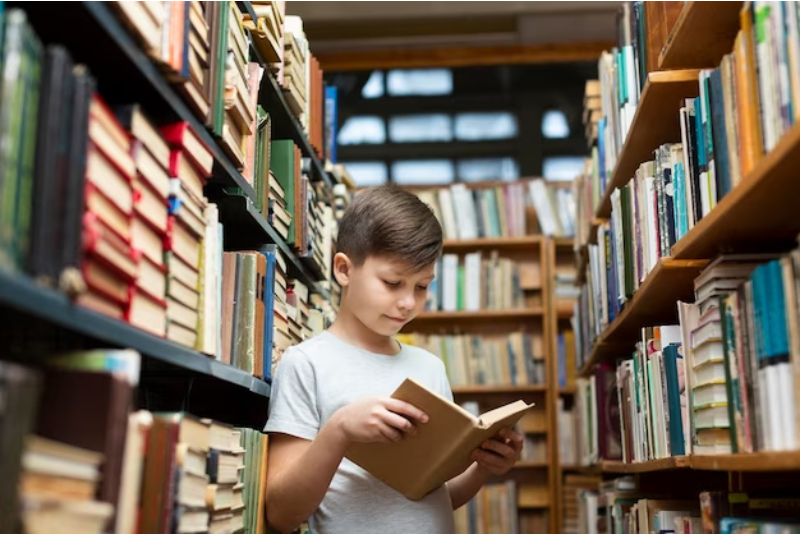
Learn Tips To Activate Young Minds During Library Class Sessions
Engaging young minds in library class sessions requires innovative techniques that ignite their curiosity. Begin with an attention-grabbing introduction that piques their interest in the topic. Incorporate interactive elements like storytelling, role-playing, or games to make learning enjoyable. Provide opportunities for students to explore topics of personal interest within the broader lesson theme. Use visual aids, multimedia, and technology to enhance comprehension and retention. Encourage critical thinking by posing thought-provoking questions and open-ended discussions. Create a welcoming and comfortable environment where students feel encouraged to ask questions and share their thoughts. By activating young minds through dynamic teaching methods, you foster a lifelong enthusiasm for learning and exploration.
Unlock Your Creativity To Craft Innovative Library Lessons
Unleashing your creativity is essential for crafting innovative and impactful library lessons. Begin by identifying unique teaching approaches that align with your students’ interests and learning styles. Incorporate storytelling, interactive games, or role-playing to immerse students in the lesson content. Experiment with multimedia resources, such as videos and online platforms, to diversify the learning experience. Foster an environment of exploration by allowing students to follow their curiosity and contribute to the direction of the lesson. Collaborate with fellow educators to exchange fresh ideas and perspectives. By tapping into your creativity, you create library lessons that captivate students’ attention and facilitate meaningful learning.
Explore Ideas To Help Library Classes Stand Out From The Crowd
Distinguishing your library classes from the rest involves thinking outside the box. Consider thematic lessons that bridge literature with other subjects, like science or history. Host author visits or virtual book clubs to connect students with creators and fellow readers. Organize book-related competitions or challenges to instill a sense of excitement. Integrate technology like augmented reality or virtual reality to bring stories to life. Collaborate with local organizations or museums to enhance the learning experience. By exploring unconventional approaches, you create library classes that leave a lasting impression and foster a lifelong passion for learning.
Understand How To Utilize The Power Of Imagination To Grow Student Engagement
Harnessing the power of imagination is a potent tool to elevate student engagement in library classes. Encourage students to envision themselves within the context of stories or historical events. Facilitate creative projects like writing assignments or art projects that allow them to express their interpretations. Create immersive environments by transforming the library space to match the themes of the lessons. Use open-ended questions to prompt students’ imaginations and encourage them to explore different perspectives. Embrace the value of storytelling as a means to spark their imaginations and connect with the lesson content. By tapping into students’ innate creativity, you enhance their enthusiasm for learning and provide them with a rich and memorable educational experience.
Gain Insight To Incorporate Digital Resources Into Library Lesson Plans
Integrating digital resources into library lesson plans can enhance engagement and expand learning opportunities. Start by identifying relevant online databases, e-books, and educational websites that align with your lesson objectives. Incorporate interactive elements such as videos, virtual tours, or online quizzes to cater to diverse learning styles. Encourage students to conduct research using online platforms and critically evaluate digital sources. Teach digital literacy skills, including how to navigate information online and distinguish credible sources from misinformation. By seamlessly blending digital resources with traditional library materials, you create comprehensive lesson plans that prepare students for the digital age while fostering a deeper understanding of the subject matter.
Design Engaging Library Lessons That Make Learning Fun
Crafting library lessons that are both educational and enjoyable involves strategic planning. Begin by selecting topics that resonate with students’ interests and curiosities. Incorporate hands-on activities, group discussions, or creative projects that encourage active participation. Utilize storytelling, games, or role-playing to make learning immersive and exciting. Provide choice and autonomy by allowing students to explore aspects of the topic that intrigue them the most. Embrace a flexible approach that accommodates different learning paces and preferences. Infuse elements of surprise and novelty to keep students engaged and eager to learn. By designing engaging library lessons, you create an environment where learning becomes an adventure.
Conclusion
Designing exceptional library lesson plans requires a fusion of creativity, innovation, and educational strategy. By incorporating digital resources, you enhance the learning experience and equip students with vital digital literacy skills. Engaging lesson plans are built upon themes that captivate students’ interests, incorporating interactive and immersive activities that foster active participation. As we conclude this exploration, remember that your dedication to crafting unique library lessons plays a significant role in inspiring a love for reading, learning, and exploration among students. By continuing to explore new ideas and approaches, you’ll ensure that your library remains a dynamic hub of education and imagination.