
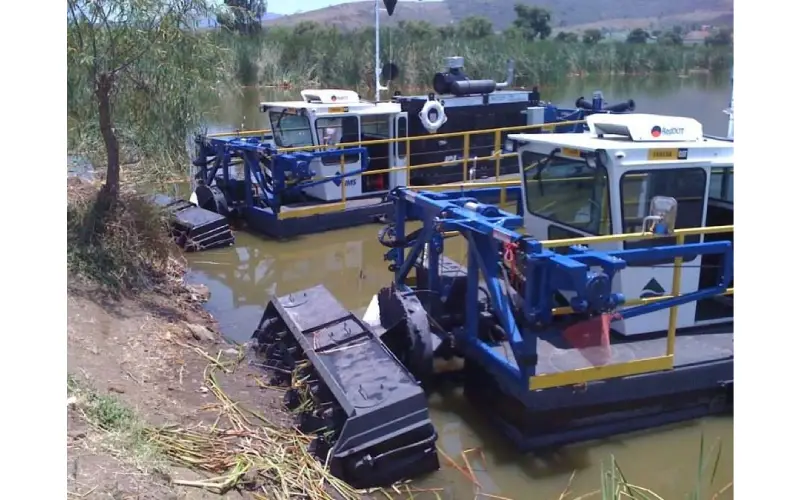

Lakes play a crucial role in maintaining ecological balance, supporting biodiversity, and providing essential resources for industries and communities. However, sedimentation, pollution, and invasive species pose significant challenges, necessitating lake dredging to restore water quality, depth, and functionality. Traditional dredging methods have often been labor-intensive, environmentally disruptive, and costly. However, emerging technologies are revolutionizing lake dredge operations, making them more efficient, sustainable, and cost-effective. This article explores the latest innovations transforming the lake dredge industry and their impact on environmental conservation.
The Importance Of Lake Dredging
Lake dredge is a vital process that involves the removal of sediment, debris, and contaminants from lake beds to maintain navigability, water quality, and aquatic ecosystems. Over time, lakes accumulate silt, organic matter, and pollutants that can lead to reduced depth, algal blooms, and habitat degradation. Dredging helps mitigate these issues by:
- Restoring water flow and depth
- Preventing flooding and shoreline erosion
- Improving aquatic habitats for fish and plants
- Enhancing recreational and commercial use
With technological advancements, modern lake dredge operations have become more precise, eco-friendly, and efficient, reducing the environmental impact and operational costs.
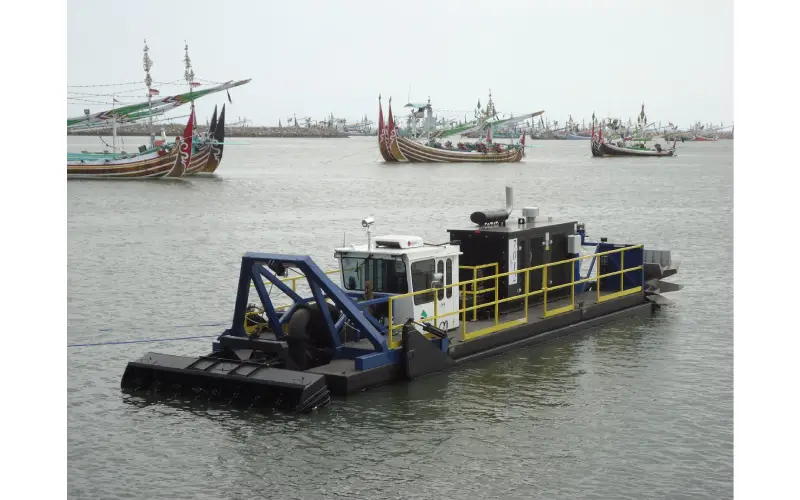
Cutting-Edge Technologies Transforming Lake Dredging
Autonomous and Remote-Controlled Dredging Systems
Automation has significantly improved lake dredge operations by introducing autonomous and remote-controlled dredging equipment. These systems use GPS, sonar, and artificial intelligence (AI) to map sediment levels, optimize dredging routes, and operate without human intervention. The benefits of autonomous dredging include:
- Increased precision and efficiency
- Reduced labor costs and human risk exposure
- Lower fuel consumption and emissions
Hydrographic Surveying and Digital Twin Technology
Hydrographic surveying technologies, including LiDAR (Light Detection and Ranging) and multibeam sonar, allow for high-resolution mapping of lake beds. These technologies provide real-time data on sediment accumulation, enabling accurate dredging planning. Additionally, digital twin technology—a virtual model of the lake and dredging equipment—helps operators simulate and optimize dredging processes before actual execution, minimizing errors and maximizing efficiency.
Eco-Friendly Dredging Techniques
Environmental sustainability is a key focus in modern lake dredge technology. Innovations such as silt curtains, biodegradable dredging materials, and eco-friendly hydraulic dredging minimize ecosystem disruption. Some advanced eco-friendly dredging methods include:
- Suction Dredging: Uses vacuum-like systems to remove sediment with minimal disturbance to aquatic life.
- GeoTube Technology: Utilizes geotextile tubes to contain and dewater dredged material, reducing waste and sediment runoff.
- Beneficial Reuse of Dredged Material: Repurposing dredged sediment for land restoration, habitat creation, or agricultural use.
AI and Machine Learning for Predictive Maintenance
AI-driven predictive maintenance technology is transforming lake dredge equipment management. Sensors embedded in dredgers monitor wear and tear, detect anomalies, and predict maintenance needs before breakdowns occur. This technology enhances operational efficiency by:
- Reducing downtime and repair costs
- Extending equipment lifespan
- Enhancing safety and reliability
Electric and Hybrid Dredgers
The adoption of electric and hybrid dredging equipment is significantly reducing the carbon footprint of lake dredge operations. Traditional diesel-powered dredgers contribute to air and water pollution, while electric and hybrid alternatives offer:
- Lower greenhouse gas emissions
- Quieter operation, minimizing noise pollution
- Reduced fuel costs and dependency
These sustainable dredging solutions align with global efforts to combat climate change and promote clean energy use in industrial operations.
The Role Of Robotics In Lake Dredging
Underwater Drones and ROVs (Remotely Operated Vehicles)
Robotic underwater drones and ROVs are transforming lake dredge operations by providing real-time imaging, monitoring sediment levels, and assisting in precision dredging. These autonomous vehicles help:
- Identify sediment composition and contamination levels
- Reduce the need for human divers in hazardous environments
- Enhance dredging accuracy and efficiency
Automated Sediment Transport Systems
Innovative sediment transport technologies, such as pipeline dredging with automated pumping stations, have streamlined sediment relocation. These systems reduce spillage, enhance sediment containment, and improve the efficiency of material transport to designated disposal or reuse sites.
Challenges And Future Prospects
While emerging technologies have significantly improved lake dredge processes, challenges remain. High initial investment costs, regulatory compliance, and environmental concerns continue to pose hurdles. However, as technology advances and costs decrease, widespread adoption of smart dredging solutions is expected. Future innovations may include:
- AI-driven adaptive dredging algorithms that adjust operations in real-time based on environmental conditions.
- Nanotechnology-based water filtration systems integrated into dredging equipment to purify water during operations.
- Blockchain for sediment tracking and compliance monitoring, ensuring responsible dredging practices and material disposal.
Conclusion
Emerging technologies are revolutionizing the lake dredge industry by enhancing efficiency, reducing environmental impact, and optimizing resource utilization. From autonomous dredging systems and AI-driven maintenance to eco-friendly techniques and robotics, the future of lake dredging is poised for sustainable growth. By embracing these innovations, industries, municipalities, and environmental organizations can ensure the long-term health and functionality of lakes worldwide. As technology continues to evolve, lake dredge operations will become more precise, sustainable, and cost-effective, paving the way for a cleaner and healthier aquatic ecosystem.


