
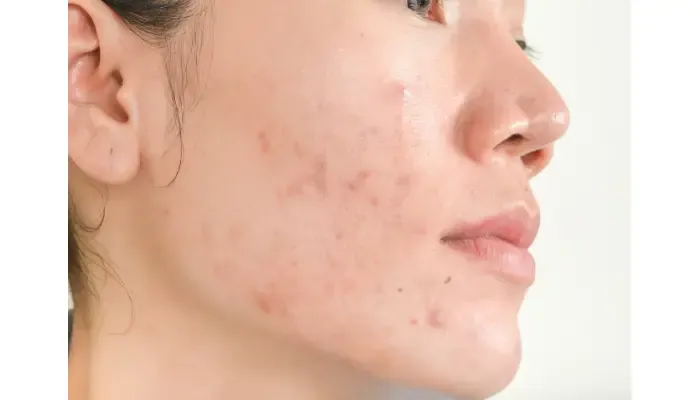

When it comes to treating acne scars, over-the-counter options can be quite effective. Silicone gel sheets are popular, known for smoothing raised scars when used consistently. Hydroquinone may lighten dark spots but should be used carefully due to its potency. Retinoids like retinol help promote skin renewal and collagen production, though irritation can occur initially. Alpha Hydroxy Acids (AHAs) and Beta Hydroxy Acids (BHAs) work wonders by exfoliating the skin and preventing breakouts. Vitamin C serums brighten dark areas, while niacinamide improves elasticity and evens skin tone. Don’t forget sunscreen—it’s crucial in protecting your skin from further damage!
1. Silicone Gel Sheets for Acne Scars
Silicone gel sheets are a popular choice for acne scar treatment in Sacramento, especially those that are raised. They work by providing a controlled environment that helps to flatten and soften the scars over time. Available in both sheet and gel formats, these products create a protective barrier that retains moisture and promotes healing. For best results, it is recommended to use silicone gel sheets daily for several weeks. Users often report noticeable improvements in the texture and appearance of their scars, making this an easy and effective over-the-counter option. Brands like ScarAway and Cica-Care are well-known for their quality silicone gel products.

2. Hydroquinone: A Skin-Lightening Agent
Hydroquinone is a powerful skin-lightening agent often used to address hyperpigmentation caused by acne scars. It works by inhibiting melanin production, which can help lighten dark spots and even out skin tone. Available in both prescription and over-the-counter formulations, hydroquinone is typically found in concentrations ranging from 2% to 4% for OTC products. While it can be effective, it’s important to use it cautiously. Prolonged use without medical supervision can lead to side effects like skin irritation or a condition called ochronosis, which causes bluish-black discoloration of the skin. It’s advisable to apply it only to the affected areas and limit usage to a few months at a time. Always consider consulting a dermatologist before incorporating hydroquinone into your skincare routine to ensure it’s appropriate for your skin type.
3. Retinoids for Skin Renewal
Retinoids, including retinol, are popular choices for those looking to improve their skin’s appearance and texture. These compounds work by promoting cell turnover and boosting collagen production, making them effective in reducing the visibility of acne scars. When you start using retinoids, it’s common to experience some initial irritation, such as dryness or redness. To minimize this, it’s best to introduce them gradually into your skincare routine, starting with a lower concentration and increasing as your skin adjusts. Over time, consistent use can lead to smoother, more even-toned skin. Products with retinol can usually be found in various formulations, such as creams, serums, and oils, making it easy to incorporate retinoids into your daily regimen.
4. Alpha Hydroxy Acids (AHAs) Explained
Alpha Hydroxy Acids, or AHAs, are powerful ingredients commonly used in skincare products to help improve the appearance of acne scars. One of the most popular AHAs is glycolic acid, known for its ability to exfoliate the skin. By promoting the removal of dead skin cells, AHAs can help reveal fresher, more even-toned skin underneath. You’ll often find AHAs in a variety of products, such as cleansers, toners, and serums, making them easy to incorporate into your daily routine.
Using AHAs regularly can lead to noticeable improvements in skin texture and the fading of post-inflammatory hyperpigmentation, which is often left behind after acne heals. It’s important to start with a lower concentration to assess your skin’s tolerance, as some individuals may experience irritation when first using AHA products. Gradually increasing use can help minimize any sensitivity.
When using AHAs, it’s essential to remember that they can make your skin more sensitive to the sun. Therefore, pairing AHA use with a broad-spectrum sunscreen is crucial to protect your skin from UV damage and prevent further pigmentation issues.
5. Benefits of Beta Hydroxy Acids (BHAs)
Beta Hydroxy Acids, particularly salicylic acid, are popular choices for treating acne and its scars. One of the main benefits of BHAs is their ability to penetrate deep into the pores, where they dissolve excess oil and dead skin cells. This action not only helps to prevent future breakouts but also aids in fading existing scars. Salicylic acid has anti-inflammatory properties, which can soothe redness and irritation associated with acne scars. Many over-the-counter products, such as cleansers and spot treatments, contain this effective ingredient. Users often notice improvements in skin clarity and texture with regular use, making BHAs a valuable addition to an acne scar treatment regimen.
- Penetrates deep into pores to remove excess oil
- Helps to exfoliate skin and promote cell turnover
- Reduces inflammation and soothes irritated skin
- Improves overall skin texture and tone
- Minimizes the appearance of fine lines and wrinkles
- Can help prevent future breakouts and reduce acne scars
- Suitable for oily and acne-prone skin types
6. Vitamin C Serums for Brightening
Vitamin C serums are a popular choice for those looking to brighten their skin and fade acne scars. These serums are packed with antioxidants that help combat free radicals, which can cause skin damage and premature aging. One of the key benefits of vitamin C is its ability to reduce dark spots and even out skin tone, making it especially useful for post-inflammatory hyperpigmentation often left behind by acne. Additionally, vitamin C can stimulate collagen production, which is vital for improving skin elasticity and texture.
When selecting a vitamin C serum, look for stable formulations that contain L-ascorbic acid, as this is the most effective form of vitamin C. Brands like SkinCeuticals and The Ordinary offer well-regarded options. For best results, apply the serum in the morning before sunscreen to enhance its protective effects against UV damage. Regular use can lead to a brighter complexion and a noticeable reduction in the appearance of scars.
7. Niacinamide for Improved Skin Tone
Niacinamide, also known as vitamin B3, is gaining popularity for its multiple benefits in treating acne scars. One of its standout features is its ability to improve skin tone by diminishing uneven pigmentation. This can be particularly helpful for those dealing with post-acne marks that might linger long after the blemishes have healed. Regular use of niacinamide can also enhance the skin’s barrier function, making it better at retaining moisture and defending against environmental stressors.
Moreover, niacinamide is known for its calming properties, helping to reduce redness and irritation that can accompany acne-prone skin. Products containing niacinamide are often available in serums, creams, and gels, making it easy to incorporate into your skincare routine. For best results, look for formulations that contain at least 5% niacinamide and apply them consistently. This ingredient not only targets existing scars but also works to prevent new ones from forming, making it a valuable addition to any acne scar treatment regimen.
8. The Role of Sunscreen in Scar Treatment
Sunscreen plays a crucial role in the treatment of acne scars, especially since UV exposure can darken existing scars and cause further skin damage. Using a broad-spectrum sunscreen with an SPF of at least 30 daily is essential, even on cloudy days. This protection helps prevent hyperpigmentation, which often occurs when skin is healing from acne. For those using exfoliating treatments, the need for sunscreen becomes even more important, as these products can make the skin more sensitive to sunlight. Brands like Neutrogena and La Roche-Posay offer effective options that won’t clog pores. Incorporating sunscreen into your daily routine not only safeguards your skin but also enhances the effects of other scar treatments, helping you achieve a more even skin tone over time.
9. Over-the-Counter Scar Creams
Over-the-counter scar creams can be a convenient option for those looking to improve the appearance of acne scars. These creams often contain a mix of ingredients aimed at promoting healing and reducing scar visibility. When choosing a product, look for those specifically labeled for scar treatment, as they may include effective components such as silicone, retinoids, or niacinamide. Brands like Mederma and Neutrogena are well-known for their specialized formulations. It’s important to read the labels and instructions carefully to ensure you’re using the product correctly for optimal results. Also, remember that while these creams can help, they may not work overnight. Consistent application over several weeks is usually necessary to see significant improvements.
10. Seeking Professional Advice for Treatment
While many over-the-counter options can effectively treat acne scars, seeking professional advice is a crucial step. A dermatologist can assess your skin type, the severity of your scars, and any underlying conditions that may influence treatment. For instance, some individuals may find that their scars are more resistant to typical over-the-counter treatments due to factors like skin type or hormonal changes. A dermatologist can recommend stronger prescription treatments if necessary, or suggest specialized procedures such as chemical peels, microneedling, or laser therapy that may yield better results. Additionally, they can provide guidance on how to combine different treatments safely and effectively to enhance results and minimize side effects. It’s also essential to discuss your skincare routine and any products you are currently using, ensuring that your treatment plan is cohesive and tailored to your specific needs.
Frequently Asked Questions
1. What are over-the-counter acne scar treatments and how do they work?
Over-the-counter acne scar treatments are products you can buy without a prescription. They usually contain ingredients like retinoids or alpha hydroxy acids that help improve your skin’s texture and fade scars over time.
2. How long does it take to see results from these treatments?
Seeing results can take several weeks to a few months, depending on the product and your skin type. It’s important to be patient and consistent with your application.
3. Can I use multiple treatments at once for better results?
While it’s possible to use more than one treatment, it’s best to be careful. Combining products that have strong active ingredients can irritate your skin. Always check with a dermatologist if you’re unsure.
4. Are there any side effects from using these treatments?
Some common side effects include dryness, redness, or peeling of the skin. If you experience severe irritation or allergic reactions, stop using the product and consult a healthcare professional.
5. How do I choose the right treatment for my skin type?
To choose the right treatment, first identify your skin type—whether it’s oily, dry, or sensitive. Then, look for products formulated for your specific type, and consider seeking advice from a dermatologist for personalized recommendations.
TL;DR Discover various effective over-the-counter treatments for acne scars, including silicone gel sheets for flattening scars, hydroquinone for lightening hyperpigmentation, and retinoids for boosting skin renewal. Explore the benefits of AHAs and BHAs for exfoliation, along with vitamin C and niacinamide for brightening and improving skin tone. Don’t forget the crucial role of sunscreen to prevent further darkening of scars. While many products are available, it’s wise to consult a dermatologist for personalized advice.


