


Do you feel a painful clicking, catching, or even locking sensation in your finger or thumb? Does it feel stiff, especially when you wake up in the morning? You might be experiencing a common condition known as trigger finger. This condition can make simple daily tasks difficult. It can also interfere with your hobbies and work. Finding the right trigger finger treatment is crucial for improving your hand function and overall quality of life.
This comprehensive guide will help you understand trigger finger: we will explore its causes and symptoms. More importantly, we will discuss the various treatment options available to bring you relief. From simple home remedies to advanced medical procedures, we will cover everything you need to know.
What Exactly is Trigger Finger?
Trigger finger, medically known as stenosing tenosynovitis, affects the tendons in your hand. Tendons are like strong ropes. They connect your muscles to your bones. These tendons glide smoothly through a tunnel called a tendon sheath. This sheath keeps them in place. In trigger finger, a part of this tunnel, called the A1 pulley, becomes inflamed and narrows. A small lump or nodule can also form on the tendon itself.
When this happens, the tendon can no longer glide easily. It gets stuck as it tries to move through the narrowed pulley. This causes the characteristic clicking, catching, or locking sensation.
Common Symptoms to Watch For
Recognizing the symptoms early is key. It helps you get timely care.
- Pain and Stiffness: You might feel pain at the base of the affected finger or thumb, often worse in the morning.
- Clicking or Popping Sensation: As you bend or straighten your finger, you might hear or feel a distinct click.
- Catching or Locking: The finger might get stuck in a bent position. You may need to use your other hand to straighten it. This is where the name “trigger” finger comes from.
- Tenderness: The palm at the base of the affected finger can be tender to touch.
- Limited Movement: It becomes harder to fully straighten or bend the affected digit.
Who is at Risk? (Causes & Risk Factors)
Several factors can increase your risk of developing trigger finger.
- Repetitive Hand Use: Jobs or hobbies that involve strong, repetitive gripping can cause inflammation. This includes mechanics, farmers, musicians, and gardeners.
- Medical Conditions: Certain health issues make you more prone to trigger finger. These include diabetes, rheumatoid arthritis, and gout.
- Age and Gender: It is more common in women and typically appears between the ages of 40 and 60.
- Hand Trauma: An injury to the hand can sometimes contribute to the condition.
Accurate Diagnosis: The First Step to Effective Treatment
Diagnosing trigger finger usually involves a simple physical examination. A hand specialist will ask about your symptoms. They will examine your hand and fingers. They will check for tenderness, swelling, and how your finger moves. There are usually no X-rays or special tests needed. An accurate diagnosis by an experienced professional is the first step towards effective relief.
Non-Surgical Trigger Finger Treatment Options: Finding Relief Without the Knife
Many people find relief from trigger finger without needing surgery. These non-surgical options aim to reduce inflammation and restore smooth tendon movement.
Rest and Activity Modification
Sometimes, simply resting your hand can help. Avoiding or changing activities that involve repetitive gripping or prolonged use can reduce irritation to the tendon. Ergonomic adjustments at work or during hobbies might also make a difference. For example, using special tools or taking frequent breaks.
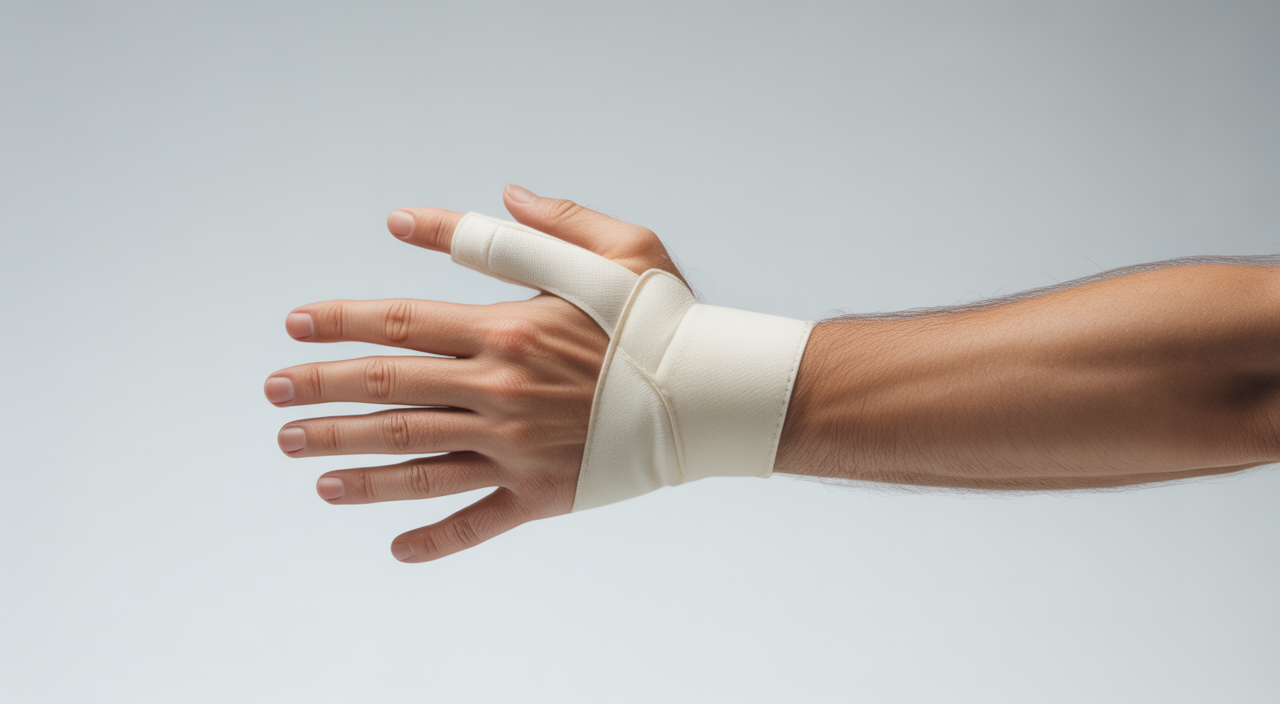
Splinting for Trigger Finger
Wearing a splint can help keep your finger straight. It prevents it from bending, especially at night. This gives the inflamed tendon and sheath a chance to rest and heal. Splints are often worn for several weeks. They can significantly reduce symptoms for many patients.
Anti-inflammatory Medications
Over-the-counter pain relievers, like NSAIDs (non-steroidal anti-inflammatory drugs), can help reduce pain and inflammation. Examples include ibuprofen or naproxen. These can offer temporary relief but do not address the underlying mechanical problem.
Corticosteroid Injections (Trigger Finger Shot)
This is one of the most common and effective non-surgical treatments. A doctor injects a corticosteroid medication into the tendon sheath near the affected A1 pulley. Corticosteroids are powerful anti-inflammatory drugs. They help shrink the inflamed tissue. Many patients find significant relief from a steroid shot for trigger finger. The relief can last for several months or even be permanent. However, some people might need more than one injection.
Physical Therapy and Exercises for Trigger Finger
Gentle exercises can help maintain flexibility and reduce stiffness. A hand therapist can teach you specific stretches. These stretches can improve your finger’s range of motion. They also help to prevent stiffness. For example, slowly bending and straightening your finger, or using a soft ball to gently squeeze and release. Incorporating practices that support musculoskeletal wellness can further enhance your recovery.
Surgical Trigger Finger Treatment: When is Surgery Necessary?
If non-surgical treatments don’t work, surgery might be the next step. This is especially true if your finger remains locked or severely painful.
Understanding Trigger Finger Release Surgery
Trigger finger release surgery is a simple and quick procedure. It aims to open the narrowed A1 pulley. This allows the tendon to glide freely again. The surgery is usually done on an outpatient basis. This means you go home the same day.
During the procedure, a small incision is made in the palm. The surgeon then carefully cuts open a part of the A1 pulley. This widens the tunnel. Sometimes, a percutaneous release can be done with a needle. This avoids an incision. Your specialist will discuss which approach is best for you. For persistent symptoms, surgical trigger finger treatment often provides a definitive solution.
Benefits and Success Rates of Trigger Finger Surgery
Trigger finger surgery has very high success rates. Most patients experience immediate relief from locking and catching. They regain full use of their finger. It is a highly effective finger locking cure for many individuals.
Potential Risks and Complications
Like any surgery, there are some risks. These are generally rare for trigger finger surgery. They can include infection, nerve injury, persistent stiffness, or the condition returning. Your surgeon will explain all potential risks.
Recovery and Rehabilitation: Your Path Back to Function
Recovery after trigger finger treatment depends on the method used.
What to Expect Post-Procedure
After a steroid injection, you might have some soreness. This usually goes away in a day or two. After surgery, you will have a small dressing over the incision. You might feel some tenderness or swelling. You can often start moving your finger gently right away.
Trigger Finger Surgery Recovery Time
Most people can use their hand for light activities within a few days. Stitches are usually removed in about 10-14 days. Full recovery, including regaining strength and comfortable use for all activities, can take a few weeks to a few months. Following your surgeon’s instructions is key for a smooth recovery.
Rehabilitation Exercises and Hand Therapy
Gentle exercises are important after surgery. They help prevent stiffness and restore full movement. Your doctor or a hand therapist might recommend specific exercises. These help with flexibility and strengthening. Gradually, you can return to your normal activities and sports.
Choosing the Right Specialist for Your Trigger Finger Treatment
Selecting an experienced hand and sports medicine specialist is vital. You want a doctor who understands the complexities of the hand. They should be skilled in both non-surgical and surgical approaches. This ensures you receive a personalized treatment plan. A qualified hand specialist for trigger finger will listen to your concerns. They will consider your lifestyle. Then, they will recommend the best path to recovery.
Conclusion: Take the Next Step Towards a Pain-Free Hand
Trigger finger can be a very annoying and painful condition. But it is also highly treatable. You have many options, from simple changes to advanced surgical solutions. The key is to seek professional evaluation. Understanding your options is the first step towards relief.
Don’t let trigger finger limit your life any longer. If you’re ready to explore personalized trigger finger treatment options and receive expert care, contact a trusted hand specialist today. Taking action can help you regain comfort and full function in your hand.
Frequently Asked Questions
- How long does a trigger finger injection last?
A corticosteroid injection for trigger finger can provide relief for several months. For some people, it might offer permanent relief. However, the duration varies. Some individuals may need repeat injections. Others might find the injection provides only temporary relief and may eventually require surgery.
- Can trigger finger heal on its own without any treatment?
In some mild cases, especially if caught early and activities are modified, trigger finger might improve on its own with rest. However, it’s often a persistent condition that benefits greatly from intervention. Without treatment, symptoms can worsen. The finger might become permanently locked in a bent position. It’s always best to consult a specialist for an accurate diagnosis and treatment plan.


