
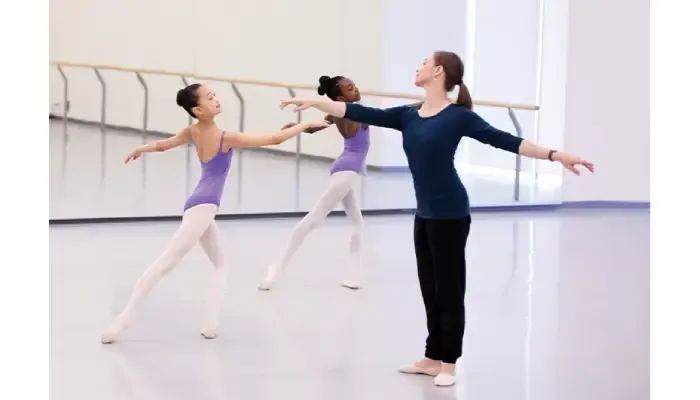

Adaptive creative movement classes in Toronto provide an enriching environment for individuals with varied cognitive, physical, and developmental needs. These programs emphasize inclusivity by welcoming participants of all abilities, including those with autism or ADHD. Offering individualized support, they ensure everyone can actively participate. Creative expression through dance and music helps foster community while simultaneously promoting skill development in motor functions and emotional regulation. Notable offerings include the National Ballet School’s adaptive dance program and Dance Ability Movement classes, which encourage artistic engagement for diverse age groups. Financial aid options enhance accessibility, allowing more people to benefit from these valuable experiences.
1. Overview of Adaptive Creative Movement Classes
Adaptive creative movement classes in Toronto provide a unique space for individuals with various physical and cognitive challenges to explore movement creatively. These classes are designed to accommodate a wide range of needs, ensuring inclusivity for participants of all ages, from children to adults. Instructors trained in adaptive techniques foster a safe environment where self-exploration is encouraged. Participants can engage in a variety of activities, including dance, expressive play, and even elements of music and art, enriching their overall experience. The primary goal is to enhance not only physical skills but also social and emotional development through movement. Safety measures are prioritized to create a comfortable atmosphere, allowing individuals to express themselves freely while also connecting with their peers and families.

2. Key Features and Benefits of Adaptive Classes
Adaptive creative movement classes in Toronto offer a range of features and benefits tailored to meet the unique needs of each participant. These classes are designed with inclusivity in mind, ensuring that individuals with various abilities, including those with autism or developmental delays, can participate fully. With a focus on individualized support, many programs provide one-on-one assistance, allowing each participant to engage at their own pace.
The group setting fosters social interaction, encouraging peer support and the development of friendships. This social aspect can boost confidence and self-esteem as participants explore movement, music, and dance together. Activities often include sensory engagement, helping to create a welcoming environment for those who may be sensitive to traditional classroom settings.
Flexible scheduling accommodates different needs, ensuring that participants can attend classes that fit their personal routines. Feedback from participants and their families plays a crucial role in shaping the curriculum, making it responsive to the evolving needs of the community. Various modalities, such as yoga and dance, are integrated into the classes, promoting independence and personal growth through movement.
Additionally, some programs offer opportunities for performances or showcases, allowing participants to share their progress and talents with others. Collaborative activities within classes foster teamwork, helping to build strong community bonds, which is vital for the overall well-being of participants.
- Classes are tailored to meet the specific needs of each participant.
- Group settings encourage social interaction and peer support.
- Activities are designed to boost confidence and self-esteem.
- Programs often incorporate sensory activities to engage participants fully.
- Flexible class schedules are offered to accommodate varying needs.
- Feedback from participants and families helps shape the curriculum.
- Different modalities, such as yoga and dance, are integrated into classes.
- Classes aim to promote independence and personal growth through movement.
3. Notable Adaptive Movement Programs in Toronto
Toronto boasts several standout adaptive movement programs that cater to a wide range of needs. The National Ballet School’s Adaptive Dance Program is particularly well-regarded for its structured approach, offering classes for children ages three and up. This program emphasizes sensory-friendly activities that foster creativity and self-expression, ensuring that every child feels included and valued.
Dance Ability Movement takes a different approach by providing a variety of dance styles. Founded by a team of occupational therapists and dance instructors, this program focuses on artistic expression and community engagement, helping participants connect through the joy of dance.
Another notable program is Adapted Spiral Praxis, which offers specialized classes for kids aged three to twelve with special needs. Their ASP Motion! program focuses on creative gross motor development and includes engaging activities that cater to various developmental milestones. This range of options and unique curricula across these programs highlights the importance of community feedback in shaping their offerings, ensuring they remain relevant and effective. Many of these programs also provide trial classes, allowing participants to explore different options and find the best fit for their needs. Through partnerships with local artists and organizations, these classes not only enhance creative elements but also engage the broader community through seasonal workshops and events. Financial support options are often available to promote accessibility, ensuring that every interested individual can participate.
4. Class Structures and Offerings for All Ages
Classes in Toronto typically last between 45 minutes to an hour, which is a good fit for various age groups and their attention spans. The structure of these classes often includes different levels that cater to a range of skills and abilities. For example, younger children may enjoy simpler movement patterns, while older participants might engage in more complex choreography. Family classes are particularly popular, as they encourage caregivers to join in, creating shared experiences that can strengthen bonds through movement and music.
To make classes engaging, instructors often incorporate props like scarves, balls, and mats, enhancing participation and creativity. Visual schedules are also a common tool, helping participants grasp the class flow and what to expect. Many classes use storytelling and themes to captivate the audience, making each session feel fresh and exciting. To accommodate varying energy levels, breaks are included in longer classes, allowing participants to recharge and refocus.
Instructors are trained to adapt activities in real-time based on how participants respond, ensuring that everyone can engage at their own pace. Some classes may even feature guest instructors or workshops, introducing new techniques and perspectives that enrich the learning experience. Regular assessments help instructors monitor progress and adjust class offerings as needed, ensuring that all participants have the opportunity to thrive.
5. Registration Process and Financial Aid Options
The registration process for adaptive creative movement classes in Toronto typically begins with an initial assessment. This step helps determine the best fit for each participant based on their unique needs and abilities. Families are often required to fill out detailed forms that outline specific goals and requirements for their child, ensuring tailored support.
Affordability is a key consideration, and many programs offer sliding scale fees based on income. This model helps to lower financial barriers for families, making it easier for more participants to join. Financial aid applications are generally available on the program websites, providing additional options for those who may need further assistance.
Some organizations partner with local charities to secure extra funding, strengthening their ability to support families in need. The registration deadlines can vary, with some programs operating on a rolling admissions basis, which allows for more flexibility. However, it is worth noting that popular classes often have waitlists, so early registration is advisable to secure a spot.
To make the process more accessible, most programs use user-friendly online registration systems. Additionally, information sessions are frequently held, giving families a chance to learn more about the registration process and ask questions. Participants may also be expected to commit to a certain number of classes per term, fostering a consistent and enriching experience.
6. The Impact of Adaptive Creative Movement on Community
Adaptive creative movement classes have a profound impact on the community in Toronto. These classes create a welcoming space where individuals and families can feel a sense of belonging. Participants come together, often forming friendships that extend beyond the classroom, and this fosters a strong network of support. By encouraging collaboration among diverse groups, these programs promote inclusivity, breaking down barriers that may exist due to differences in ability.
Community events that showcase the achievements of participants not only build pride and confidence but also celebrate the unique contributions of each individual. This public recognition helps to reduce stigma surrounding disabilities, as it encourages understanding and acceptance within the broader community. Families involved in these programs frequently report increased social interactions, leading to enriched support networks that benefit everyone involved.
Moreover, adaptive movement classes play a crucial role in shaping a more inclusive arts landscape in Toronto. By partnering with various community organizations, these programs enhance resources and opportunities for participants, allowing them to thrive creatively and socially. Feedback from participants is often taken into account, leading to program enhancements that better meet the needs of the community.
Lastly, the positive effects of these classes extend to the mental health and well-being of participants. Engaging in creative movement provides a valuable outlet for expression and connection, which contributes to overall emotional health. In this way, adaptive creative movement classes are not just about dance or movement; they are vital components in building a supportive, inclusive community.
Frequently Asked Questions
What are adaptive creative movement classes?
Adaptive creative movement classes are specially designed sessions that help people with different abilities express themselves through movement, dance, and creativity. These classes focus on fun activities that encourage self-expression and social interaction.
Who can participate in these classes?
Anyone can join adaptive creative movement classes, regardless of their physical or cognitive abilities. These classes welcome individuals, children, and adults, who want to explore movement in a supportive environment.
What can I expect during a class?
During a class, participants can expect a mix of guided activities, free movement, and creative play. Instructors often focus on encouraging creativity through music and movement, allowing everyone to express themselves at their own pace.
How do these classes benefit participants?
These classes promote physical fitness, improve coordination, enhance social skills, and boost self-confidence. Participants often find joy in the creative process and develop a sense of community with others.
Do I need any prior experience to join?
No prior experience is needed to join adaptive creative movement classes. They are designed for everyone, so anyone can come in, learn, and enjoy without feeling pressured.
TL;DR Adaptive creative movement classes in Toronto provide inclusive environments for individuals with various cognitive, physical, and developmental needs. These programs promote creativity, community connection, and holistic growth through personalized support and sensory-friendly activities. Notable offerings include the National Ballet School’s Adaptive Dance Program, Dance Ability Movement, and Adapted Spiral Praxis. Classes cater to different age groups and abilities, with options for family participation. Financial aid helps ensure accessibility for all.
Resource URL:
https://en.wikipedia.org/wiki/Dance_education
https://www.nbs-enb.ca/dance-for-life/kids-adaptive-dance-program/


