
Hanging a tapestry correctly requires more than simply driving a nail into the wall. The right hardware — from rods and brackets to finials and sleeves — makes the difference between a tapestry that sags, wrinkles, or falls, and one that hangs beautifully for decades. This guide walks you through everything you need to know about selecting and installing tapestry hanging hardware.
Understanding the Components
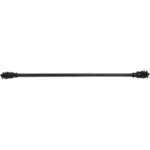
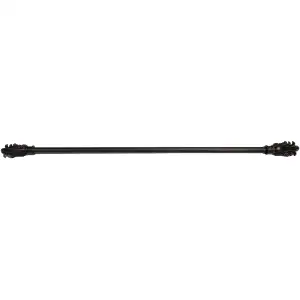
A proper tapestry hanging system consists of several interconnected parts. The rod is the main horizontal bar from which the tapestry hangs. Brackets are the wall-mounted supports that hold the rod at the correct height and distance from the wall. Finials are decorative end caps on the rod that prevent the tapestry from sliding off. Sleeve or pocket attachments — fabric loops, rod pockets, or clips — connect the tapestry itself to the rod.
Understanding how each component works together helps you build the right system for your specific tapestry.
Selecting the Right Rod Material
Wood is the most versatile material for tapestry rods. It suits virtually every interior style from rustic farmhouse to formal traditional. Natural oak, walnut, and pine are popular choices, as are painted or gilded options for more decorative settings.
Wrought iron and cast iron rods bring a bold, artisanal character ideal for gothic, medieval, or industrial-influenced spaces. They’re exceptionally durable and pair well with stone or exposed brick walls.
Brass and gilded metal rods suit formal or classical interiors. Their warm tones complement rich tapestry colors and woven gold or silver threads.
Sizing and Proportions
The rod should be 4 to 6 inches wider than the tapestry itself — 2 to 3 inches on each side. This creates a clean visual frame and allows the finials to sit outside the textile’s boundary. For very wide tapestries, consider a rod with a centre support bracket to prevent bowing under the weight.
Rod diameter matters too. A delicate wall hanging suits a slim 1-inch rod; a heavy woven tapestry 4 feet wide or larger needs a rod of at least 1.5 to 2 inches in diameter for adequate strength.
Bracket Placement and Wall Fixings
Measure carefully before drilling. Mark both bracket positions at exactly the same height using a spirit level and measuring tape. In plasterboard walls, always use wall anchors rated for the combined weight of the rod and tapestry. In solid walls, use appropriate masonry anchors. Where possible, fix into wall studs or joists for maximum security.
Explore the full range of rods, brackets, and accessories at Charlotte Home Furnishings tapestry accessories to find hardware sized and styled for your tapestry.
Attaching the Tapestry to the Rod
The most common attachment method is the rod pocket — a fabric sleeve sewn along the top of the tapestry through which the rod passes. If your tapestry doesn’t have a built-in pocket, rod clips or rings clipped through loops can provide a removable solution without altering the textile.
For museum-quality or antique tapestries, a Velcro mounting system sewn to a strip of fabric attached to the wall distributes weight evenly without stressing any single point of the tapestry.
Final Checks
Once mounted, check that the tapestry hangs evenly at both sides and that its lower edge runs parallel to the floor. Fine adjustments can be made by repositioning the tapestry along the rod before the brackets are fully tightened. Step back and view from across the room — slight imbalances invisible up close often become obvious from a distance.
For all the hardware you need to display your tapestry perfectly, explore the complete selection of tapestry rods and hanging accessories from Charlotte Home Furnishings.