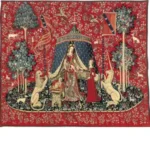
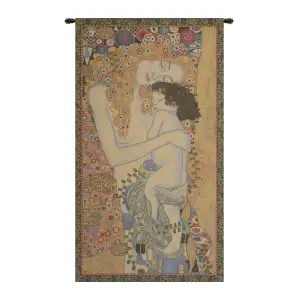

Art tapestries occupy a unique position in the world of home decoration: they are simultaneously fine art and functional textile, pictorial composition and tactile craft. Unlike framed prints or canvas reproductions, an art tapestry does not merely reproduce an image — it translates it into the language of woven thread, creating a work of genuine physical presence and depth that hangs from your wall with warmth and weight rather than sitting behind glass. For collectors and home decorators alike, art tapestries represent one of the most rewarding ways to live with great imagery.
What Are Art Tapestries?
Art tapestries are woven textiles that reproduce or interpret works of fine art — paintings, drawings, illustrations, or original compositions created specifically for the tapestry medium. The tradition of translating paintings into tapestry is ancient: from the grandes manufactures of Brussels and Paris in the 16th century, where Raphael’s cartoons were woven into magnificent series, to the 20th-century Aubusson workshops that produced tapestry interpretations of Picasso, Miró, and Léger. Today, art tapestries span a vast range — from faithful reproductions of Old Master paintings to bold abstract compositions designed from the outset to exploit the distinctive qualities of woven colour and texture.
The Difference Between a Tapestry and a Print
The key distinction between an art tapestry and an art print lies in materiality. A print is a flat image on a flat surface — paper or canvas. A tapestry is a woven object whose surface is made of interlaced threads, creating micro-variations of texture, light absorption, and colour interaction that no print can replicate. When you look at a tapestry from different angles or in different lighting conditions, it looks different: the threads catch light in shifting ways, creating a living, dynamic surface. This physical presence is what makes tapestries so much more satisfying as permanent wall art than any reproduction print.
Popular Art Tapestry Subjects
The range of subjects available in art tapestry form has never been broader. Classical subjects — mythology, allegory, religious scenes — remain popular, particularly in designs inspired by the great Flemish and French workshops of the 16th and 17th centuries. Impressionist-inspired designs, translating the dappled colour harmonies of Monet, Renoir, or Cézanne into woven textile, are consistently among the most sought-after. Abstract tapestries — bold colour-field compositions, geometric designs, or organic non-representational forms — suit contemporary interiors that want artistic presence without figurative imagery. Botanical and natural history subjects — birds, flowers, landscapes — bridge the gap between fine art and decorative tradition in ways that work in almost any domestic setting. For a wide selection spanning all these categories, explore the full range of art tapestries available, where woven reproductions and original designs sit side by side.
Choosing an Art Tapestry for Your Space
Selecting an art tapestry involves all the usual considerations of scale, colour, and subject matter — but it adds an additional dimension: the question of artistic resonance. Unlike a purely decorative textile, an art tapestry carries the weight of its subject. A tapestry after Botticelli’s Primavera brings the full symbolic programme of that painting into your room. A tapestry based on a Japanese woodblock print carries the aesthetic philosophy of mono no aware — the bittersweet beauty of transience. Before choosing, consider what visual and intellectual presence you want the piece to have in the room. Art tapestries are long-term companions, and the best choices are those you will continue to find meaningful and visually rewarding years after purchase.
Art Tapestries in Contemporary Interiors
One of the most exciting aspects of art tapestries in current interior design is their versatility across stylistic contexts. A large abstract tapestry can anchor a minimalist apartment with warmth and visual interest without introducing any historical or figurative reference. A botanical tapestry after a Victorian natural history illustration works equally well in a traditional country house and a light-filled urban flat with plants and natural materials. The key is matching the density and character of the tapestry’s image to the character of the room: complex, detailed figurative tapestries need quiet, unfussy surroundings; bolder, more graphic compositions can hold their own in more visually active spaces.
Investment and Longevity
Art tapestries are among the most durable forms of home art. A quality woven piece, protected from direct sunlight and occasionally dusted, will retain its colour and integrity for decades — often outlasting the interior schemes it is purchased for and transitioning successfully through multiple homes and decorative contexts. For those looking for art that grows in meaning and appreciation with time, the collection of woven tapestry wall art at Charlotte Home Furnishings offers a beautifully curated selection of art-inspired woven pieces that combine artistic substance with lasting physical quality.