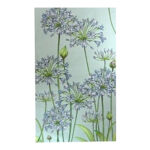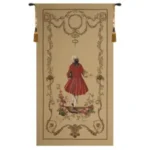
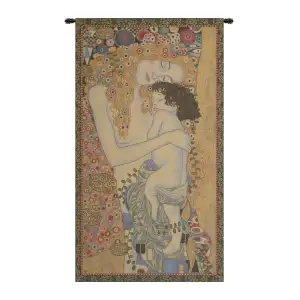

When it comes to wall art with genuine historical pedigree, few forms match the artistry and cultural depth of Belgian tapestries. For over five centuries, Belgium — and Flanders in particular — has been recognised as the world capital of fine tapestry weaving. From medieval royal courts to modern living rooms, Belgian tapestries have adorned walls across the globe, bringing with them a sense of craftsmanship, storytelling, and timeless beauty that no printed canvas or poster can replicate.
The Origins of Belgian Tapestry Weaving
Belgium’s dominance in tapestry production began in the 14th century, when the cities of Arras, Brussels, Bruges, and Tournai became centres of an extraordinarily skilled weaving trade. Flemish weavers were prized across Europe, supplying tapestries to kings, popes, and nobles who used them not merely as decoration but as symbols of wealth, power, and cultural sophistication. The wool and silk threads they used were dyed in rich, complex colours — deep blues from woad, warm reds from madder and cochineal, and greens produced through painstaking overdyeing techniques. These tapestries depicted hunting scenes, classical myths, religious narratives, and garden scenes with a level of pictorial detail that rivalled contemporary paintings.
What Makes a Belgian Tapestry Distinctive?
Belgian tapestries are distinguished by several qualities. First, the complexity of their designs: unlike simpler decorative textiles, a traditional Belgian tapestry features multiple interlocking scenes, elaborate borders, and fine gradations of colour produced by weaving threads of slightly different shades in close proximity. Second, the quality of the materials: genuine Belgian-style tapestries are woven from high-quality wool, cotton, or silk, and are notable for their weight and durability. Third, the narrative richness: most classic Belgian designs tell a story — a hunt in progress, a garden full of symbolic flora and fauna, a biblical episode, or a mythological scene drawn from Ovid or Virgil.
Classic Belgian Tapestry Themes
The most celebrated Belgian tapestry themes include the millefleurs (thousand flowers) style, featuring dense meadow scenes with animals and flowering plants; hunting tapestries depicting stag hunts, falconry, and woodland pursuits; verdure tapestries dominated by lush foliage and landscape; and narrative cycles illustrating scenes from history, mythology, or scripture. Many of these designs have been in continuous production for centuries, their cartoons (design drawings) preserved and reused by successive generations of weavers. To browse an authentic selection of these enduring designs, explore the Belgian tapestries collection at Charlotte Home Furnishings, where traditional Flemish artistry is presented in a range of sizes and colourways.
How Belgian Tapestries Are Made Today
Modern Belgian tapestries are woven on Jacquard looms, which use a system of punched cards (and now digital programming) to control which threads are raised and which are suppressed, creating complex colour patterns with machine precision. While the process is no longer purely hand-woven, the aesthetic result remains remarkably faithful to traditional hand-woven tapestries, with the same sense of depth, texture, and colour richness. High-quality contemporary Belgian tapestries use cotton warps and wool or cotton wefts, with some premium pieces incorporating silk threads for additional lustre in highlighted areas.
Displaying Belgian Tapestries in Your Home
A Belgian tapestry works best as a statement piece — typically hung on a single large wall where it can be appreciated without visual competition. Large tapestries (over 120cm wide) are well-suited to dining rooms, hallways, staircases, and sitting rooms with high ceilings. Smaller pieces work well in bedrooms, studies, and alcoves. The traditional method of display uses a wooden rod inserted through a sleeve sewn along the top of the tapestry, allowing it to hang flat and square. Many tapestries come with a rod and hanging hardware included, making installation straightforward.
Caring for Your Belgian Tapestry
Belgian tapestries are surprisingly durable when cared for correctly. Avoid direct sunlight, which can fade even high-quality dyes over time — positioning the tapestry on an interior wall or using UV-filtering window film nearby will preserve its colours for decades. Dust the surface gently with a soft brush every few months, and vacuum on a low setting with a mesh screen between the tapestry and the nozzle to protect the fibres. Avoid folding; store rolled if needed. For deeper cleaning, consult a specialist textile conservator rather than attempting home washing.
A Living Tradition Worth Celebrating
Belgian tapestry weaving has survived wars, economic upheavals, and shifting fashions for over 600 years — a testament to the enduring human appreciation for skilled craftsmanship and pictorial storytelling in textile form. Whether you’re drawn to medieval hunting scenes, elaborate baroque floral designs, or refined verdure compositions, the finest woven Belgian wall tapestries for the home bring centuries of Flemish artistry into your living space, offering a depth of character that no other wall covering can match.