

The world of professional certifications is changing fast. More and more people are seeking to earn new skills and demonstrate their expertise. They want flexibility in how they take their exams. This shift means traditional testing centers might not always be the best option.Many organizations now offer online certification tests. This makes it easier for candidates to test from anywhere. But with this convenience comes a big question: how do we ensure these online tests are fair and secure? This is where remote proctoring for certification test becomes crucial. It helps maintain the high standards and integrity that certification programs need.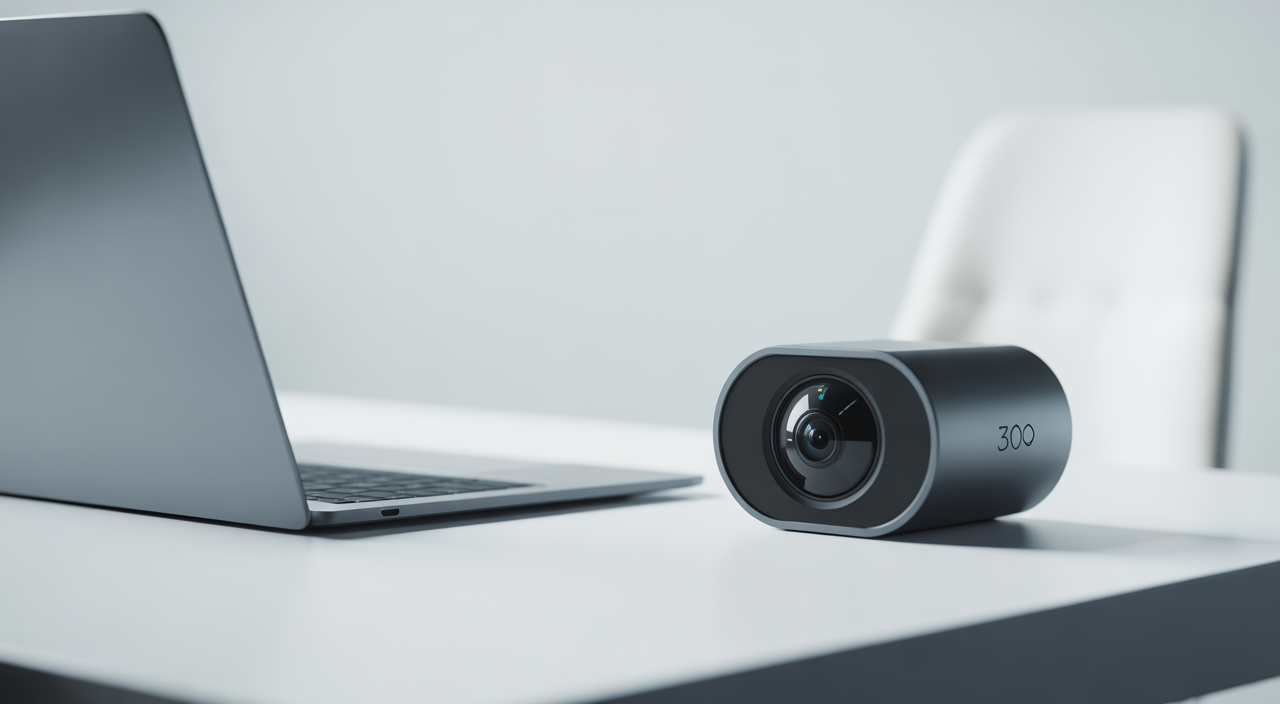
The Growing Demand for Online Certifications
People everywhere are looking for new ways to learn and grow their careers. Online courses and professional development programs are more popular than ever. This means certifications, which prove someone’s skills, are also moving online.Offering certifications online opens up many opportunities. It allows organizations to reach a wider audience globally. Candidates can take exams from their homes, at a time that suits them. This flexibility removes barriers like travel costs and rigid schedules.
Why Remote Proctoring is Essential for Certification Integrity
A certification is a badge of honor. It shows that someone has met specific standards. The value of this badge depends entirely on the integrity of the testing process. If cheating becomes easy, the certification loses its worth.Remote proctoring is a system that supervises online exams. Its main job is to prevent cheating. This ensures that every person who earns a certification has truly earned it. It protects the reputation of the certifying body and the value of the credential itself.
What is Remote Proctoring?
Simply put, remote proctoring uses technology to supervise exams taken online. It works by monitoring candidates through their computer’s webcam and microphone. The goal is to make sure testing rules are followed, just like in a physical test center.There are a few main types of remote proctoring. Live proctoring involves a human proctor watching the candidate in real-time. Recorded proctoring records the exam session for later review. Automated proctoring uses artificial intelligence (AI) to flag suspicious behaviors without human involvement during the test.
Why “Certification Tests” Demand a Higher Standard of Proctoring
Certification tests are often high-stakes. They can impact a person’s career or ability to practice a profession. Think about certifications in IT, healthcare, or finance. These aren’t just academic exams. They come with significant responsibility.The integrity of these tests is vital. If a certification can be easily faked or gained through cheating, it hurts everyone. It harms the employer who relies on the credential. It harms ethical professionals who worked hard to earn it. And it damages the reputation of the organization issuing the certification. This is why certification tests need the strongest possible security measures.
Beyond the Screen: How Sophisticated Cheating Occurs
In an online environment, test-takers might try many ways to cheat. It’s not just about looking at notes. Some might use a second computer or phone out of camera view. Others might have someone else whispering answers from off-screen.Impersonation is another risk. Someone might try to have a more knowledgeable person take the test for them. Advanced cheating also involves using specialized software or remote desktop tools. These methods can be very difficult to detect with basic webcam monitoring. This highlights the need for a more comprehensive approach to security.
What is 360° Remote Proctoring?
Standard webcams offer a limited view of the testing environment. They only show what’s directly in front of the computer. This leaves blind spots where cheating can happen. 360° remote proctoring solves this problem.It uses a wider field of view or multiple cameras. This allows proctors to see the entire room around the test-taker. It helps catch hidden notes, extra devices, or outside help. This comprehensive view ensures that the test environment is fully secure. It greatly reduces opportunities for cheating.
The Hybrid Advantage: AI and Human Proctoring Combined
The best remote proctoring solutions combine the strengths of both AI and human oversight. This is known as hybrid proctoring. AI technology is excellent at constantly monitoring for unusual patterns. It can flag hundreds of potential issues quickly.However, AI can sometimes misinterpret innocent actions. That’s where human proctors come in. They review the AI flags. They make the final judgment on whether a rule was broken. This blend of technology and human wisdom offers the most accurate, efficient, and fair supervision. It makes remote proctoring for certification tests truly reliable.
Enhanced Exam Security & Integrity
For organizations, the biggest benefit is rock-solid exam security. This protects the value of your certifications. It safeguards your organization’s reputation. When your certifications are known for their integrity, they become more respected. This attracts more candidates and builds trust within the industry.Ensuring fair outcomes is also vital. Every candidate deserves an equal chance. Robust proctoring prevents unfair advantages. This means those who truly master the material are the ones who earn the credential.
Unprecedented Accessibility & Scalability
Remote proctoring breaks down geographical barriers. Your certification program can reach candidates anywhere in the world. This greatly expands your market and impact. It also allows for greater flexibility in scheduling exams. Candidates can test when they are ready, not just during fixed center hours.This scalability is perfect for growing programs. You can handle a small group or thousands of test-takers without needing more physical space or staff. It’s a highly efficient way to manage test delivery.
Cost-Effectiveness & Operational Efficiency
Running physical test centers can be expensive. You need to pay for rent, equipment, and staff. Remote proctoring significantly reduces these costs. There’s no need for dedicated testing spaces. This frees up resources that can be used elsewhere.Administrative tasks also become simpler. Scheduling, monitoring, and reporting are streamlined. This leads to greater operational efficiency. Your team can focus on program development, not logistics. For more ways to improve your internal operations, consider exploring different business management solutions.
A Superior Candidate Experience
A good proctoring experience is important for test-takers. They want convenience and flexibility. They also want to feel respected. Advanced proctoring systems are designed to be user-friendly and clear.Clear instructions and responsive support help candidates feel at ease. A respectful proctoring process reduces test anxiety. This positive experience reflects well on the certifying body. It encourages more people to seek your certifications. Providing a smooth experience often involves excellent online customer service training for support staff.
Ensuring Regulatory Compliance
Data privacy is a major concern today. Certification bodies handle sensitive personal information. It is crucial to comply with regulations like GDPR or CCPA. These laws protect individuals’ data rights.A reliable proctoring solution must have strong data security measures. This includes encrypted data storage and strict access controls. It helps your organization meet legal requirements. It also builds trust with your candidates by showing you value their privacy.
Seamless Integration with Your Existing Systems
Adopting new technology should not be a headache. The best remote proctoring platforms integrate smoothly with your current systems. This includes Learning Management Systems (LMS) or Association Management Systems (AMS).Easy integration means less setup time and fewer technical issues. It ensures a consistent workflow for your administrators. This makes the transition to online proctoring much easier and more efficient.
What to Look For in a Remote Proctoring Provider
When choosing a provider, look for a few key things. First, consider their experience with high-stakes tests. Do they understand the specific needs of certification programs? Second, evaluate their technology. Does it offer features like 360° monitoring? Third, check their support. Are they available when you need them? Finally, confirm their commitment to data privacy and compliance.
The Difference for Professional Certification Testing
For organizations serious about maintaining the integrity and expanding the reach of their professional certifications, choosing the right proctoring partner is key. Look for a solution that combines cutting-edge technology with unparalleled human oversight. This approach ensures maximum security and a positive experience for your candidates.
The Future of Trustworthy Certifications is Remote
Remote proctoring is no longer just a trend. It’s a necessary tool for modern certification programs. It provides the security needed to uphold credential value. It offers the accessibility and flexibility that candidates demand. By embracing advanced proctoring solutions, organizations can expand their reach, protect their reputation, and empower more professionals worldwide.
Frequently Asked Questions
Q1: Is remote proctoring fair to all candidates, especially those with technical limitations or disabilities?
Yes, reputable remote proctoring providers prioritize fairness and accessibility. They offer technical support to help candidates set up their systems. They also have procedures for accommodating disabilities, often in line with global accessibility standards. This includes extended time, special proctoring instructions, or assistive technology integration. The goal is to provide a level playing field for everyone.
Q2: How does remote proctoring handle technical issues during an exam, like internet disconnections?
Most advanced remote proctoring systems are designed with safeguards for technical problems. If a candidate’s internet connection drops, the system might pause their exam and resume it once the connection is restored. Proctors are also trained to troubleshoot common issues in real-time. This helps minimize stress for candidates and ensures the exam can continue smoothly, protecting their progress.