
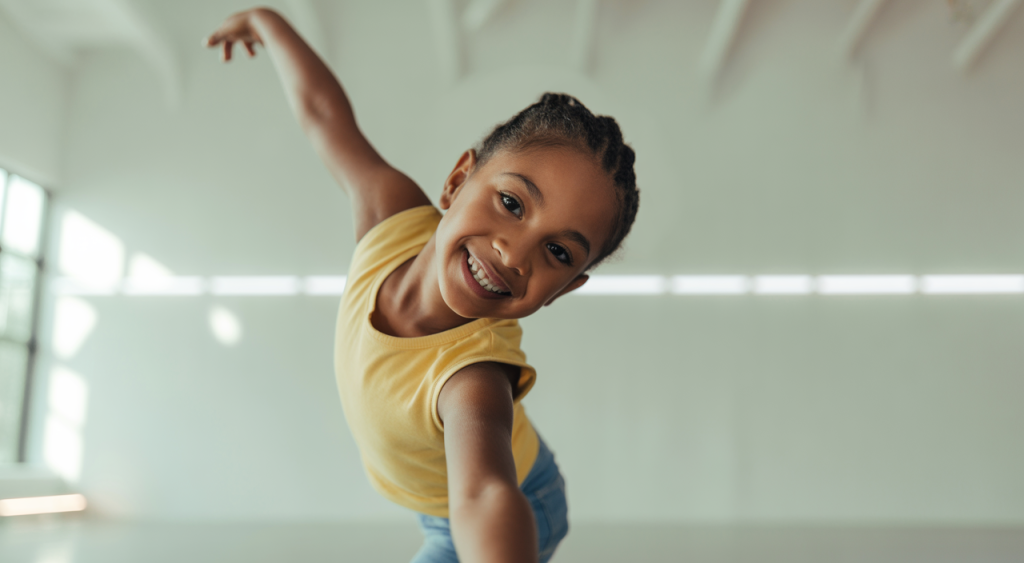

Are you looking for an enriching activity that truly celebrates your child’s unique spirit and abilities? Finding the right program can make all the difference, especially when you’re searching for adaptive dance classes toronto. Dance offers so much more than just movement. It’s a powerful tool for self-expression, confidence, and connection.
For children with diverse needs, adaptive dance opens up a world of possibilities. It creates a safe and supportive space for them to explore, learn, and grow. This article will help you understand the magic of adaptive dance and why it might be the perfect fit for your child.
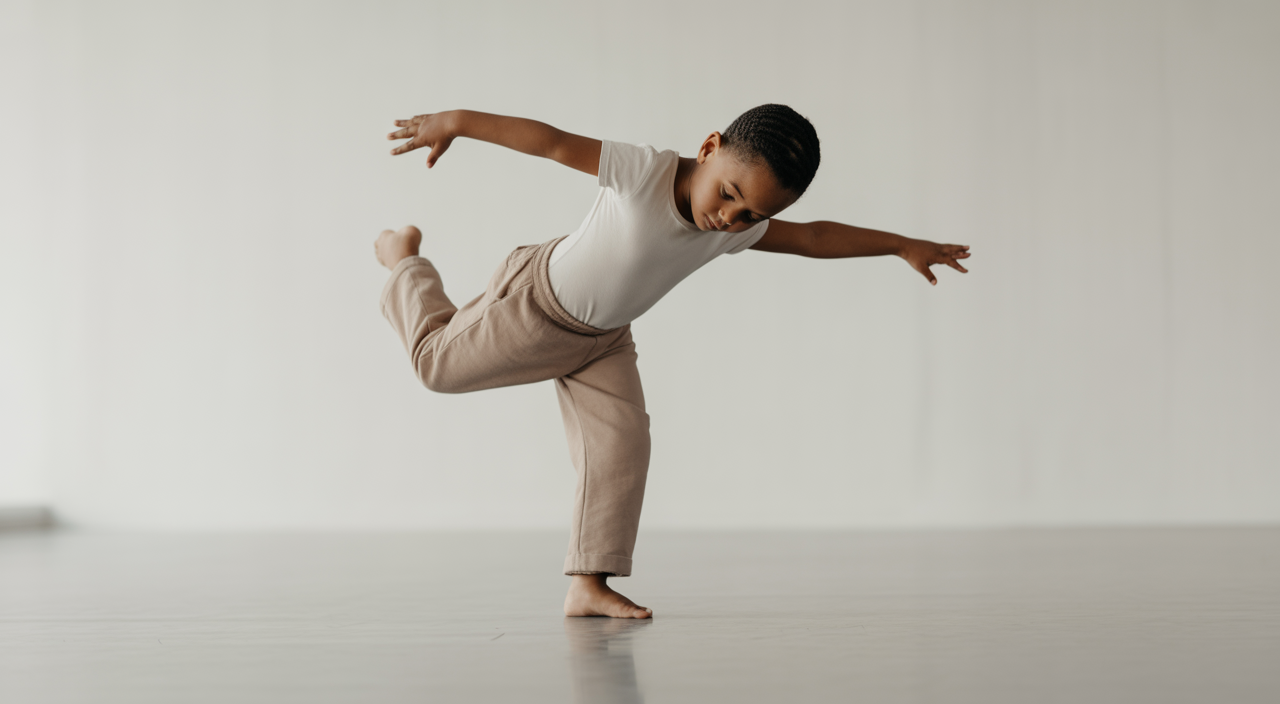
Finding the Perfect Fit: Why Adaptive Dance Matters in Toronto
Every child deserves the chance to shine. They deserve activities that cater to their individual strengths and help them overcome challenges. This is where adaptive dance comes in.
It’s about tailoring the dance experience to suit each student. It removes barriers, allowing every child to participate fully and joyfully. In a bustling city like Toronto, finding specialized programs can sometimes feel overwhelming, but dedicated options are available to support your child’s journey.
More Than Movement: Understanding Adaptive Dance for Every Child
Defining Adaptive Dance: Tailored for Unique Needs
Adaptive dance is a special kind of dance instruction. It’s designed to meet the specific needs of children with varying abilities. This can include physical, cognitive, sensory, or emotional needs.
Instructors adapt the class structure, movements, and environment. They make sure everyone feels comfortable and can succeed. The goal is always to create an inclusive and supportive atmosphere.
Who Thrives in Adaptive Dance?
Many children can benefit greatly from adaptive dance. This includes those with autism spectrum disorder, Down syndrome, cerebral palsy, or visual and hearing impairments. Children with developmental delays or other physical challenges also find a welcoming home in these classes.
The focus is always on what each child can do. It’s about celebrating their potential and helping them discover new strengths. Adaptive dance creates a space where every child is valued for who they are.
Beyond Steps: The Holistic Impact of Adaptive Dance on Children
The benefits of adaptive dance extend far beyond just learning dance steps. It impacts a child’s overall well-being in many wonderful ways. It’s a holistic approach to development.
Physical Development: Strength, Balance & Coordination
Dance naturally improves physical skills. Children develop better gross motor skills, which involve large body movements. They gain strength, improve their balance, and enhance their coordination. Practicing rhythm and movement also increases their flexibility.
These physical improvements can boost their confidence in daily activities. Regular engagement in dance can also boost muscle and bone health. It provides a fun way to stay active and healthy.
Emotional & Social Growth: Confidence, Expression & Connection
Dance is a powerful way to express feelings without words. This helps children who might struggle with verbal communication. It can reduce anxiety and build immense self-confidence. Participating in a group setting also fosters social skills.
Children learn to interact with peers and instructors. They build friendships and feel a strong sense of belonging. This kind of positive social interaction is crucial for their overall supports mental well-being and emotional health.
Cognitive & Sensory Engagement: Focus & Creative Problem-Solving
Following dance sequences helps improve memory and attention span. Children learn about patterns and sequencing, which are important cognitive skills. The varied movements and music also engage different senses.
This sensory engagement can be especially beneficial for children with sensory sensitivities. They learn to process information in a supportive environment. Dance encourages creative problem-solving as children interpret movements and express themselves.
NBS: Leading the Way in Inclusive Dance Education in Toronto
The National Ballet School (NBS) is a leader in dance education. They extend their high standards to adaptive programs. NBS believes that dance should be for everyone.
Their adaptive dance classes in Toronto reflect this belief. They offer a unique program designed with care and expertise. It ensures that every child can experience the joy of dance.
Our Unique Approach to Adaptive Dance
NBS’s program uses a thoughtful methodology. The curriculum is specifically adapted to suit diverse learning styles and physical needs. Instructors focus on individual attention within a group setting. This allows each child to progress at their own pace.
The philosophy is simple: celebrate individual strengths and foster a love for movement. They use various teaching tools, from visual aids to modified movements. This ensures all children can fully engage and enjoy the class.
Expert Instructors: Passion, Patience & Specialized Training
The success of adaptive dance largely depends on its instructors. NBS teachers are not just skilled dancers; they also have specialized training. They are trained in adaptive education and understanding diverse needs.
Their patience and passion create a nurturing environment. They know how to connect with each child. This expertise ensures a safe, effective, and truly enjoyable experience for every participant.
A Welcoming & Accessible Environment
NBS is committed to creating an accessible space. The facilities are designed to welcome children with different physical needs. The environment itself is warm, inviting, and free from judgment.
This commitment extends beyond physical accessibility. It includes creating an emotionally safe space where children feel understood. For a detailed overview of our curriculum, class schedules, and registration process, explore the NBS Kids Adaptive Dance Program. It’s a place where every child can flourish.
Testimonials: Voices of Our NBS Dance Families
Parents often share stories of the incredible changes they see in their children. They speak of newfound confidence and improved motor skills. Many highlight the joy their child finds in coming to class each week. These stories are a testament to the program’s profound impact.
Families appreciate the supportive community built within the studio. Children often form genuine friendships. These connections are invaluable for their social development and sense of belonging.
A Glimpse into Our Adaptive Dance Classes
Class Structure & Activities
A typical NBS adaptive dance class is filled with creativity and fun. It often starts with a gentle warm-up, adapted to different abilities. Instructors use engaging music and props like scarves or ribbons. These help make movements exciting and accessible.
Children might explore various dance styles, from creative movement to ballet basics. The activities are designed to be inclusive, ensuring every child can participate. Each session balances structured learning with free expression.
Creating a Supportive Community
The classes are more than just lessons; they are community builders. Children are encouraged to interact and support each other. Instructors facilitate positive peer relationships. This helps create a sense of camaraderie and shared experience.
The supportive atmosphere allows children to feel comfortable taking risks and trying new things. It’s a place where differences are celebrated. Every child feels like a valued member of the dance family.
Practical Information for Toronto Parents
Age Groups & Eligibility
The NBS Kids Adaptive Dance Program welcomes children from various age groups. Specific program details regarding age and eligibility are clearly outlined on their website. They aim to accommodate a wide range of needs.
It’s always best to check the program’s specific requirements. This ensures the best fit for your child. The NBS team is ready to answer any questions you might have about suitability.
Location & Accessibility
The National Ballet School is conveniently located in Toronto. The facilities are designed to be fully accessible, making it easy for all students to participate. Accessibility is a top priority.
Details about the exact location and accessible features are available online. They ensure that families can easily access and navigate the building. This makes the experience smooth and stress-free.
Registration & Inquiries
Ready to take the next step? Visiting the program’s official page is the best way to get started. You’ll find detailed information on class schedules, fees, and the registration process there. There are often helpful FAQs as well.
If you have specific questions, the NBS team is available to help. They can provide personalized guidance. Don’t hesitate to reach out for more information. Visit their website to begin your child’s dance journey.
Unlock Potential with Adaptive Dance at NBS Toronto
Adaptive dance offers a truly special path for children with diverse abilities. It’s a journey of movement, growth, and joyful discovery. The National Ballet School in Toronto provides a program that is both enriching and deeply supportive.
Imagine your child finding their rhythm, building confidence, and making new friends. Adaptive dance can make this a reality. It empowers children to express themselves and reach their full potential. We encourage you to explore the NBS program further. It could be the perfect stepping stone for your child’s development and happiness.
Frequently Asked Questions
What is the typical class size for adaptive dance programs?
Class sizes for adaptive dance programs are often kept smaller than traditional dance classes. This allows instructors to provide more individualized attention. It ensures that each child receives the support they need to participate comfortably and effectively. Smaller groups also create a more focused and nurturing environment for learning and social interaction.
How can I tell if adaptive dance is right for my child?
Consider your child’s interest in music and movement. Observe how they respond to different sensory experiences. Many programs offer trial classes or observation opportunities. This lets you and your child experience the environment firsthand. Speaking with program coordinators can also help clarify if the class is a good match for your child’s specific needs and personality.


