
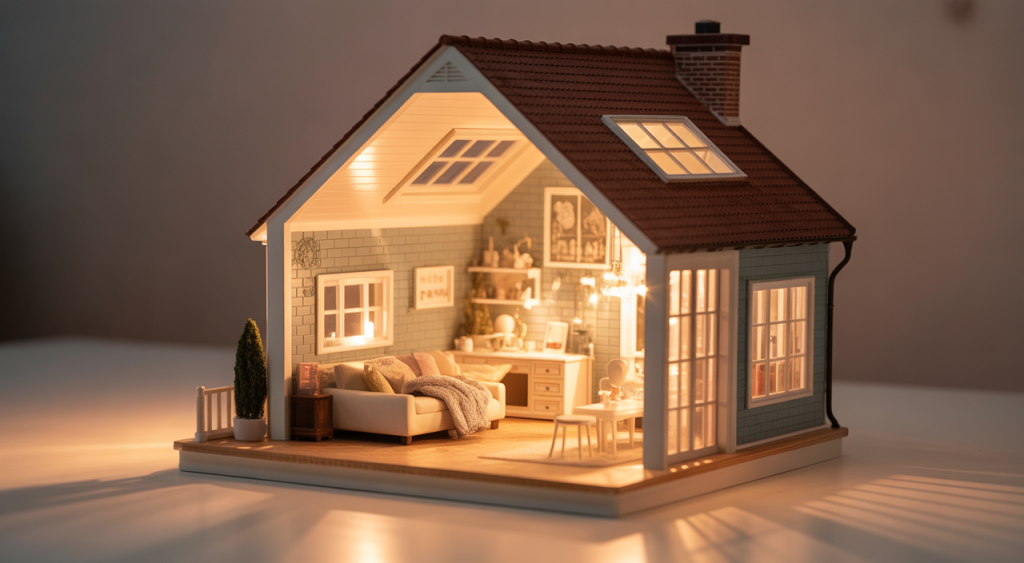

Have you ever wanted to add a magical touch to your art? Imagine bringing your miniature scenes to life with tiny, glowing lights. Or highlighting the intricate details of your paintings with perfectly placed illumination. It’s all possible with the right led art light!
LEDs, or light-emitting diodes, have revolutionized the art world. These tiny powerhouses offer incredible versatility, energy efficiency, and a long lifespan. Whether you’re a seasoned artist or just starting, LEDs can open up a whole new dimension of creative possibilities. This guide will show you how to choose and use **led art light** to create breathtaking artwork, especially for miniatures and other detailed projects.
People are searching for information about lighting up art projects and finding the best way to do it. This article helps you find the best type of lights for your needs.
When selecting LED art lights, consider factors such as color temperature, brightness, and power source to achieve the desired effect for your artwork. For example, you might opt for warm white LEDs for a cozy miniature scene or cool white LEDs for a crisp, modern painting.
Why Choose LED Art Lights?
LEDs offer several advantages over traditional light sources. These benefits make them ideal for artists seeking the perfect **led art light** solution:
- Energy Efficiency: LEDs use a fraction of the power compared to incandescent bulbs, saving you money on electricity bills.
- Long Lifespan: LEDs can last for tens of thousands of hours, reducing the need for frequent replacements.
- Low Heat: Unlike traditional bulbs, LEDs produce very little heat, making them safe to use in delicate projects.
- Small Size: LEDs are incredibly compact, allowing you to integrate them into even the tiniest creations.
Their small size makes them easier to hide. They also offer directional lighting, a feature that helps focus on particular points. For more ways to explore more craft lighting ideas, check out our other helpful articles!
Types of LED Art Lights for Projects
There’s a wide variety of **led art light** available, each suited for different applications:
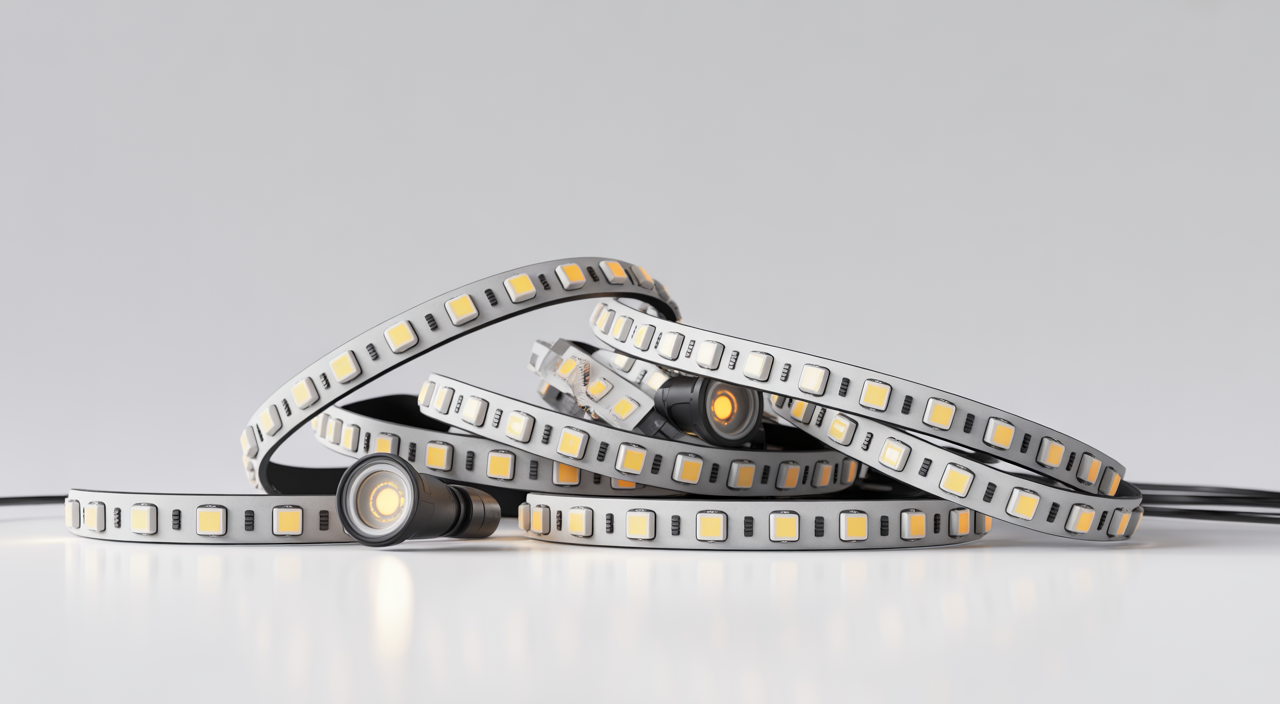
- LED Strip Lights: Flexible and easy to install, strip lights are great for general illumination. However, they may not be ideal for detailed work due to their wider beam angle.
- Individual LED Diodes: These are perfect for precise lighting in small areas. They offer maximum control and customization.
- LED Spotlights: These lights focus a narrow beam of light onto a specific area, ideal for highlighting details in sculptures or paintings.
- Fiber Optic Lighting: Fiber optics can create unique, ethereal effects by transmitting light through thin strands.
Lights for Miniaturists
The lights from the miniaturists collection are ideal for adding LED lights to detailed projects! The small size is perfect for your needs.
Choosing the Right LED: Key Specifications
Selecting the right **led art light** involves understanding a few key specifications:
- Color Temperature (Kelvin): Measured in Kelvin (K), color temperature describes the warmth or coolness of the light. Lower Kelvin values (2700-3000K) produce a warm, yellowish light, while higher values (5000-6500K) produce a cool, bluish light. Choose a color temperature that complements your artwork.
- Brightness (Lumens): Lumens measure the total amount of light emitted by an LED. The higher the lumens, the brighter the light. Consider the size and detail of your project when determining the appropriate brightness.
- Color Rendering Index (CRI): CRI measures how accurately a light source renders colors compared to natural sunlight. A CRI of 80 or higher is generally recommended for art projects to ensure accurate color representation.
- Voltage: LEDs require a specific voltage to operate. Make sure to match the voltage of your LED to your power source to prevent damage.
Powering Your LED Art: Options & Safety
There are several ways to power your LED art projects:
- Battery Power: Batteries offer portability and convenience, especially for small projects.
- AC Adapters: AC adapters provide a continuous power source for larger or permanent installations.
- USB Power: USB power is a versatile option for smaller projects, as it can be easily sourced from computers or power banks.
When working with electricity, always take necessary safety precautions. Use insulated wires, avoid overloading circuits, and never work with wet hands.
LED Art Project Ideas & Inspiration
Ready to get started? Here are a few ideas to spark your creativity:
- LED-Illuminated Miniature Scenes: Bring your miniature worlds to life with tiny LED lights. Add glowing windows, flickering fireplaces, and sparkling stars to create enchanting scenes.
- Light-Up Canvases and Paintings: Integrate LEDs into your paintings to highlight specific elements or create dynamic lighting effects.
- Model Railroad Lighting: Add realistic lighting to your model railroads with strategically placed LEDs.
- Sculptures with Integrated LEDs: Incorporate LEDs into your sculptures to create stunning visual displays.
Step-by-Step Guide: Adding LED Lights to a Miniature Scene
Here’s a simple guide to adding LED lights to a miniature scene:
- Gather your materials: You’ll need LED lights, resistors, wires, a power source, and basic soldering tools.
- Wire the LEDs: Solder resistors to the positive leads of the LEDs to limit current flow.
- Integrate the lights: Carefully position the LEDs within your miniature scene, concealing the wires as much as possible.
- Test and troubleshoot: Connect the power source and test the lights. If any lights don’t work, check the wiring and connections.
Tips & Tricks for Stunning LED Art
Here are some additional tips to elevate your LED art:
- Creating Diffused Lighting Effects: Use materials like tracing paper or frosted plastic to diffuse the light from LEDs, creating a softer, more even glow.
- Using Resistors to Control Brightness: Experiment with different resistor values to adjust the brightness of your LEDs.
- Concealing Wires and Components: Hide wires and components by running them through hollow structures or covering them with paint or foliage.
- Sourcing Unique LED Components: Explore online retailers and electronics stores for unique LED components, such as colored LEDs, flickering LEDs, and micro LEDs.
Conclusion
LED lights offer endless possibilities for artists looking to add a new dimension to their work. By understanding the different types of LEDs, their specifications, and how to use them safely, you can create breathtaking art that truly shines with the right **led art light**.
Remember to choose the right LEDs for your specific needs. Explore the lights for miniaturists collection to find the perfect LED lighting solution for your next project!
FAQs
Q: What is color temperature, and how does it affect my artwork?
A: Color temperature describes the warmth or coolness of light, measured in Kelvin (K). Warm light (2700-3000K) creates a cozy, inviting atmosphere, while cool light (5000-6500K) provides a bright, energetic feel. Choose a color temperature that complements the mood and colors of your artwork.
Q: How do I choose the right brightness for my LED art project?
A: The appropriate brightness depends on the size and detail of your project. For small, detailed projects like miniatures, lower lumen LEDs are ideal to avoid overpowering the scene. For larger projects, you may need higher lumen LEDs to provide sufficient illumination.


