
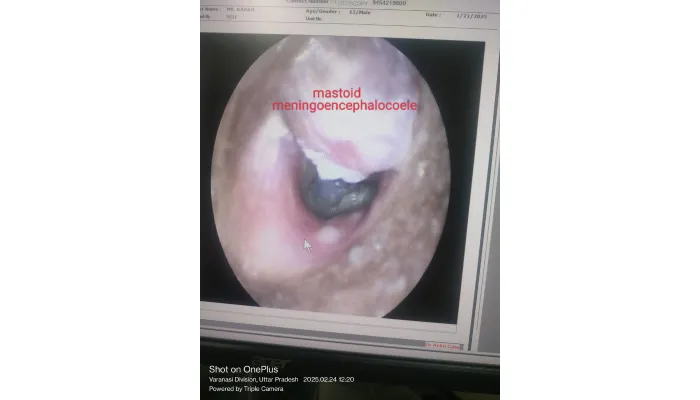

Earwax, or cerumen, plays a vital role in protecting our ears. It keeps dust and microbes out while also moisturizing the ear canal. Most of the time, our ears do a good job of cleaning themselves through natural movements like chewing. However, about 5% of adults may face issues with impacted earwax, which can cause discomfort and even affect hearing. Experts advise against routine earwax removal since it is usually unnecessary. Improper methods like using cotton swabs can push wax deeper and potentially harm the ear. So when in doubt, it is best to consult a healthcare professional for safe management strategies.
1. Understanding Earwax and Its Functions
Earwax, also known as cerumen, is a natural substance produced by glands in the ear canal. It is made up of secretions, skin cells, and dust. This seemingly simple substance plays several vital roles in ear health. First, earwax has antibacterial properties that help prevent infections in the ear canal, acting as a natural barrier against harmful microorganisms. Its color and consistency can differ from person to person, ranging from light yellow to dark brown, and it can be dry or sticky.
One of its primary functions is to trap dirt and debris, preventing them from reaching deeper parts of the ear. In a healthy ear, earwax migrates out of the ear canal on its own, aided by movements of the jaw when we talk or chew. This self-cleaning mechanism means that, under normal circumstances, the ear does not require frequent cleaning.
However, factors like age, genetics, and the use of hearing aids can influence earwax production. Some individuals naturally produce more earwax than others, which can lead to buildup and potential issues. Interestingly, earwax also provides a protective layer against water entering the ear, which can help reduce the risk of swimmer’s ear. In many cultures, earwax is seen as a natural and healthy part of the body’s functioning, suggesting that minimal intervention is often adequate. Additionally, changes in the appearance of earwax can sometimes indicate underlying health issues, serving as a useful indicator of ear health.
2. When Should You Consider Earwax Removal?
Earwax removal in Varanasi should be considered when you notice signs of blockage, such as a feeling of fullness in the ear or muffled hearing. If you experience ear pain or discomfort that you suspect may be due to wax buildup, consulting with a healthcare provider is recommended. People who use hearing aids may require more frequent evaluations for earwax, as these devices can contribute to blockages. If earwax impacts your hearing or causes recurrent ear infections, removal is advised. Conditions like eczema or psoriasis can lead to excessive earwax production, making removal necessary. Regular check-ups are beneficial, especially for individuals with a history of ear problems. If home remedies do not relieve symptoms, it may be time for professional removal. Some individuals may also experience tinnitus, which can worsen with earwax impaction, signaling the need for removal. Remember, earwax should only be removed if it is causing symptoms, as healthy earwax is important for ear health. Avoid self-diagnosis and seek professional advice when in doubt about earwax issues.

3. Risks Associated with Improper Earwax Removal
Using cotton swabs to clean ears might seem like a good idea, but it can actually push earwax deeper into the ear canal. This can lead to blockages, and in some cases, it can even damage the eardrum. Inserting objects into the ear brings additional risks, such as scratching the ear canal or causing infections, which can be more severe than just having wax buildup. Improper techniques can also result in a perforated eardrum, a serious issue that may lead to permanent hearing loss.
Self-removal methods can cause irritation or inflammation of the ear canal, a condition known as otitis externa. There’s also a risk of developing impacted earwax, which can bring symptoms like pain and dizziness. Using homemade tools or methods can introduce bacteria into the ear, increasing the likelihood of infections. Many people mistakenly over-clean their ears, disrupting the natural balance of earwax and leading to dryness and irritation. Misunderstanding the function of earwax can lead individuals to believe that they need to remove it more often than necessary. Over-the-counter earwax removal products may not be safe for everyone and can lead to complications if not used properly. Additionally, relying on unverified online remedies can result in further damage, so it’s best to approach earwax management with caution.
- Using cotton swabs can push earwax deeper, leading to further blockage and potential damage to the eardrum.
- Inserting objects into the ear can scratch the ear canal or cause infections, which are more severe than wax buildup.
- Improper techniques can result in a perforated eardrum, leading to permanent hearing loss.
- Self-removal can also lead to irritation or inflammation of the ear canal, known as otitis externa.
- There is a risk of developing a condition called impacted earwax, which can cause various symptoms like pain and dizziness.
- Using homemade tools or methods to remove earwax can introduce bacteria, increasing the risk of infection.
- Many people over-clean their ears, disrupting the natural balance of earwax and leading to dryness and irritation.
- Misunderstanding earwax function can lead individuals to believe they need to remove it more often than necessary.
- Over-the-counter earwax removal products may not be safe for everyone and can lead to complications if used incorrectly.
- Relying on unverified online remedies can result in further damage and should be approached with caution.
4. Safe Methods for Managing Earwax
Managing earwax can be straightforward if approached correctly. Softening drops are a popular option for loosening earwax, and it’s best to consult a healthcare provider for recommendations tailored to your needs. Many over-the-counter products contain ingredients like hydrogen peroxide or mineral oil, designed specifically for this purpose.
During a shower, warm water can naturally wash away excess earwax, helping to prevent buildup. However, it’s important to avoid using cotton swabs, as they can push wax deeper into the ear canal. Instead, a damp cloth can effectively clean the outer ear without the risks associated with other tools.
Regular check-ups with a healthcare professional can help monitor earwax levels and address any concerns before they escalate, reducing the need for aggressive removal techniques. For those experiencing symptoms from impacted earwax, professionals can employ safe cleaning methods like suction or irrigation, ensuring the process is handled by qualified personnel.
Some individuals might find earwax removal kits beneficial, but caution is advised, and they should always be used according to the instructions. Education about earwax is crucial; understanding that some wax is normal can alleviate unnecessary anxiety. Practicing good hygiene can also help prevent excessive buildup, reducing the frequency of cleaning. If issues persist, seeking professional advice is the best way to ensure safe and effective management.
5. Expert Insights on Earwax Removal
Healthcare professionals agree that earwax removal should be approached cautiously and only when necessary. Many experts recommend avoiding DIY methods unless advised by a healthcare provider, as improper removal can lead to complications. Regular ear examinations can help identify potential earwax issues before they become problematic, allowing for timely intervention if needed. Otolaryngologists emphasize the importance of understanding one’s own ear health and recognizing warning signs, such as discomfort or changes in hearing. Education on earwax’s function and management empowers individuals to make informed choices about their ear care.
Many healthcare providers advocate for a wait-and-see approach, as earwax often clears on its own without any intervention. For those with certain risk factors, like hearing aid users, regular ear assessments are suggested to monitor ear health. Understanding the natural processes of earwax can help demystify common misconceptions associated with ear cleaning. Expert opinions highlight that routine ear cleaning is generally unnecessary for most individuals, and there is a growing awareness among professionals about promoting safe ear health practices to prevent unnecessary procedures.
Frequently Asked Questions
Why is earwax important for our ears?
Earwax helps protect your ears by trapping dust, dirt, and bacteria, keeping them clean and healthy.
How do I know if I need to remove earwax?
If you experience symptoms like hearing loss, earache, or a feeling of fullness in your ear, it might be time to consider removal.
Can I remove earwax at home safely?
Some methods like using ear drops or damp cloths can be safe, but sticking objects in your ear can cause damage.
What are the risks of ignoring earwax buildup?
Ignoring excessive earwax can lead to issues like infections, hearing loss, or even damage to your ear canal.
Should I see a doctor for earwax removal?
If you’re unsure or experiencing problems, it’s best to consult a doctor who can safely remove the earwax.
TL;DR Earwax, or cerumen, is a natural protectant for the ear, helping to keep it clean and lubricated. Removal is only necessary in cases of blockage or discomfort, which affects about 5% of adults. Experts advise against routine cleaning and warn against using cotton swabs or other tools that can cause harm. Safe methods include using softening drops or consulting a healthcare professional for removal when needed.


