
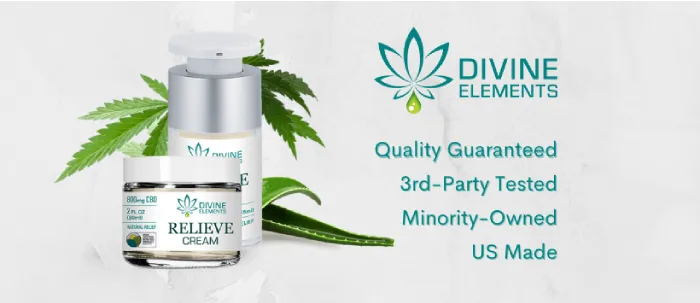

Topical CBD products have gained traction in recent years, known for their potential skin benefits. These products, which include creams and lotions infused with cannabidiol (CBD), are often touted for their ability to hydrate the skin and address common conditions like acne, eczema, and psoriasis. Research shows that CBD may reduce inflammation and promote wound healing by interacting with receptors in the skin’s endocannabinoid system. Additionally, early findings suggest it could aid in anti-aging by improving elasticity. While generally safe, users should remain cautious of possible side effects like irritation or allergic reactions. Overall, more research is needed to fully understand its effectiveness and safety profile.
1. Overview of Topical CBD Products
Topical CBD products are skincare items infused with cannabidiol, a non-psychoactive compound from cannabis. These products come in various forms, such as creams, balms, oils, and lotions, designed for direct application on the skin. The formulations often include additional ingredients like essential oils, vitamins, and botanicals, which aim to enhance skin health and deliver various benefits.
The popularity of topical CBD has surged, particularly within the beauty and wellness sectors, as consumers increasingly seek natural alternatives for skincare, pain relief, and overall well-being. People of all ages are turning to these products, drawn by their potential to address issues like inflammation, dryness, and various skin conditions.
Legally, CBD derived from hemp is permissible in many regions, although regulations differ by state or country, making it essential for consumers to stay informed about local laws. Unlike ingestible CBD, which affects the entire body, topical products provide localized relief, making them particularly appealing for treating specific areas of concern.
As consumer awareness grows, there is a pressing need for education about how to use these products effectively and understand their benefits. Many brands are also prioritizing sustainability, focusing on eco-friendly sourcing and manufacturing methods. With new brands consistently entering the market, each offering unique formulations and marketing strategies, the landscape for topical CBD products continues to evolve, reflecting an increasing trend in the beauty and wellness industries.

2. Uses of Topical CBD Products
Topical CBD products are becoming popular for various skin issues and benefits. For acne, research indicates that CBD can help control sebum production and reduce inflammation, which may lead to fewer breakouts. Those suffering from eczema might find relief as CBD’s anti-inflammatory properties can ease irritation and improve skin hydration. In the case of psoriasis, some studies show that CBD may help lessen the scaling and redness that often accompany flare-ups, offering a more even skin tone. Similarly, individuals with rosacea might experience reduced redness and irritation with regular topical CBD use.
Beyond these conditions, CBD may also aid in wound healing. Its regenerative properties can potentially speed up the recovery of cuts and abrasions, promoting healthier skin. Athletes often turn to topical CBD for muscle soreness and joint pain relief after workouts, as it can provide effective pain management. Many formulations are also designed to enhance skin hydration, improving overall texture and elasticity. For those who have suffered sunburn, CBD-infused creams can offer soothing relief due to their anti-inflammatory effects.
In the realm of anti-aging, CBD’s antioxidant potential might help combat fine lines and other signs of aging, making it a sought-after ingredient in cosmetic products. As its popularity grows, more beauty brands incorporate CBD to improve skin appearance and feel, highlighting its versatility and effectiveness.
3. Benefits of Topical CBD Products
Topical CBD products offer a range of benefits that make them appealing for skincare and pain relief. One of the most notable advantages is their anti-inflammatory properties. CBD can help reduce inflammation, which is particularly beneficial for conditions like arthritis and general skin irritation. Many users find that applying CBD topically can provide targeted pain relief without the systemic effects associated with oral medications. This localized effect is a significant draw for those dealing with muscle soreness or joint pain.
In addition to pain relief, topical CBD products often include moisturizing ingredients, which help hydrate the skin. This is especially helpful for individuals struggling with dry skin, as these products can improve skin barrier function and overall hydration levels. Regular use may also lead to improved skin texture, making the skin appear smoother and more even.
Another important aspect is that CBD is non-psychoactive, meaning it does not produce the ‘high’ associated with THC. This makes it suitable for a broader audience, including those who may be hesitant to use cannabis products. Furthermore, CBD has antioxidant properties, which may help protect the skin from oxidative stress and damage from free radicals.
Safety is another important consideration. Topical CBD products are generally well-tolerated by most skin types, and users often report fewer side effects compared to other pharmaceuticals. The versatility of these products is also noteworthy, as they come in various formulations, including creams, balms, and oils, catering to different needs and preferences. With many users expressing satisfaction and noticeable improvements in their skin health, topical CBD products continue to gain popularity in the skincare market.
4. Mechanisms of Action
Topical CBD products exert their effects primarily through interactions with the endocannabinoid system (ECS) in the skin. The ECS is crucial for regulating skin functions such as inflammation and pain responses. CBD interacts with specific receptors, notably CB1 and CB2, found in skin tissues. This interaction can promote healing and alleviate discomfort. Additionally, CBD is believed to influence sebocytes, the cells responsible for producing sebum, which helps manage oily skin conditions by normalizing oil production.
Furthermore, CBD has a role in modulating fibroblast activity, which is essential for skin repair and regeneration. By affecting how these cells function, CBD may aid in wound healing and the overall maintenance of skin health. Its antioxidant properties also help combat free radicals, potentially reducing long-term skin damage and promoting a more youthful appearance.
Another significant mechanism is CBD’s ability to support the skin barrier by enhancing the lipid barrier, which is vital for moisture retention and skin resilience. This is particularly beneficial for individuals with dry or compromised skin. CBD may also modulate the skin’s immune response, helping to minimize overreactions to allergens, thus reducing inflammation and irritation.
Furthermore, CBD can interact with neurotransmitters that influence pain perception in the skin, providing additional relief for conditions that involve discomfort. By inhibiting inflammatory pathways and markers, CBD can lessen the symptoms associated with various skin conditions, making it a promising option for those seeking relief.
5. Safety and Side Effects
While topical CBD products are generally considered safe, there are a few important factors to keep in mind. Some users may experience skin irritation or allergic reactions, so it’s wise to perform a patch test before applying a product widely, especially if you have sensitive skin. The market for CBD products is not heavily regulated, which means quality can vary significantly from one product to another. To ensure you are using a safe product, look for those that provide clear ingredient lists and have undergone third-party testing.
If you are on medication, it’s advisable to consult a healthcare provider before using CBD, as there may be potential drug interactions. Fortunately, reports indicate that topical CBD has a good safety profile, with minimal side effects. Proper storage of these products is also crucial to maintain their effectiveness and shelf life. For individuals with pre-existing skin conditions, consulting a dermatologist is recommended to ensure suitability. By choosing high-quality, reputable brands and being informed about possible side effects, users can enhance their experience with topical CBD while minimizing risks.
- Skin Irritation: Some users may experience irritation or allergic reactions to topical CBD products.
- Patch Testing: It is advisable to perform a patch test before widespread use, especially for sensitive skin.
- Regulatory Concerns: The lack of regulation means that product quality can vary significantly.
- Ingredient Transparency: Consumers should look for products with clearly listed ingredients and third-party testing.
- Potential Drug Interactions: Users on medication should consult a doctor before using CBD products.
- Limited Side Effects: Generally, topical CBD has a good safety profile with minimal reported side effects.
- Storage Considerations: Proper storage is essential to maintain product effectiveness and shelf life.
- Consultation Recommended: Individuals with skin conditions should seek advice from a dermatologist before use.
- Product Quality: Choosing high-quality, reputable brands can minimize risks associated with impurities or low-quality CBD.
- User Education: Awareness of possible side effects and product information is crucial for safe usage.
6. Current Research and Future Directions
Emerging studies are actively exploring the full potential of topical CBD in dermatology, paving the way for a deeper understanding of its benefits. Researchers are currently focused on conducting large-scale clinical trials to confirm the efficacy and safety of these products across diverse populations. This is crucial as optimal dosage is still being investigated for various skin conditions, aiming to maximize the therapeutic benefits of CBD.
Additionally, further studies are working to clarify the therapeutic mechanisms of CBD at the cellular level in the skin, which could unveil how it interacts with the endocannabinoid system and other skin functions. There’s also a growing interest in combination therapies, where CBD may be paired with other active ingredients to enhance its effects, potentially leading to more effective skincare solutions.
Market trends indicate an increasing consumer preference for natural ingredients, which may drive further research into CBD’s therapeutic properties. Understanding consumer insights will also be vital for guiding product development and marketing strategies in this evolving landscape.
As research progresses, we can expect regulatory changes that ensure product safety and efficacy, reflecting the growing body of evidence supporting topical CBD use. The future may also see personalized skincare formulations tailored to individual skin types and conditions, utilizing CBD to address specific needs. Finally, ongoing studies are set to assess the long-term effects of consistent topical CBD use, providing important information for consumers and healthcare providers alike.
Frequently Asked Questions
How do topical CBD products work for the skin?
Topical CBD products interact with the skin’s receptors, helping to promote balance and support overall skin health.
Can topical CBD help with specific skin issues like blemishes or dryness?
Yes, topical CBD may help with various skin concerns, including blemishes, dryness, or irritation, thanks to its soothing properties.
Are there any side effects from using CBD on the skin?
Most people tolerate topical CBD well, but some may experience mild irritation or allergic reactions; it’s always good to do a patch test first.
How often can I use topical CBD products?
You can use topical CBD products as needed, but it’s best to follow the instructions on the product label for optimal results.
Is topical CBD suitable for all skin types?
Topical CBD can be suitable for different skin types, but individuals with sensitive skin should consult a dermatologist before use.
TL;DR Topical CBD products, such as creams and lotions, are gaining popularity for their potential skin benefits, including relief from acne, eczema, and psoriasis. These products can provide anti-inflammatory, analgesic, and moisturizing effects, helping improve skin hydration and elasticity. However, while preliminary research supports their use, caution is advised due to potential skin irritation and a lack of regulation in the market. More large-scale studies are needed to confirm their efficacy and safety.


