
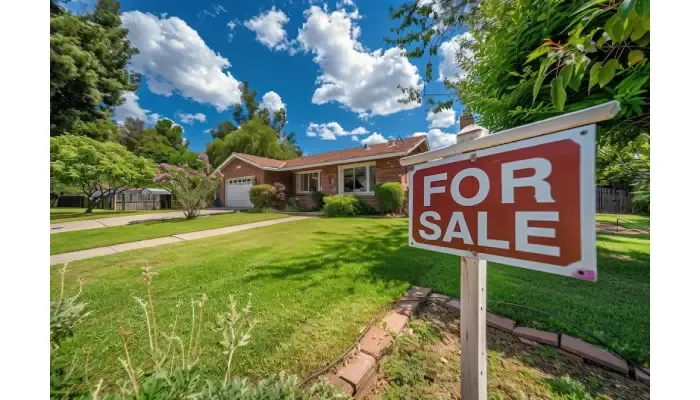

Selling land might seem tricky, but it can be managed with the right approach. First, it’s important to understand the land sales market, as it has unique factors compared to residential property. Next, evaluate your land’s worth by comparing local sales or consulting an appraiser for help with pricing. Identifying how best to use your land can attract more interested buyers. When you’re ready to sell, ensure the property looks good and take quality photos for online listings. Marketing through social media and local ads can widen your exposure. Finally, negotiate offers carefully and prepare all necessary documents with assistance if needed for a smooth closing process.
1. Understanding the Landscape of Land Sales
When you want to sell your land, it is essential to understand the unique characteristics of land sales. Research local land sale trends to get a sense of demand and pricing. For instance, if you notice that agricultural land is selling well in your area, you may want to highlight your property’s potential for farming. It is also crucial to understand the differences between land types, such as residential, commercial, and agricultural, as each comes with its own set of buyers and considerations.\
Familiarizing yourself with zoning regulations is another key step. These laws dictate how land can be used, so knowing the restrictions can help you market your land effectively. For example, if your land is zoned for commercial use, you can attract developers looking for retail space.\
Location is a significant factor influencing land value, along with size and topography. A flat, easily accessible piece of land in a desirable neighborhood will generally fetch a higher price than a steep, remote parcel. Be aware of current economic conditions that may impact buyer interest, such as local job growth or housing demands.\
Understanding the buyer demographic in your area can also provide valuable insights. Are you appealing to investors looking for development opportunities, or families searching for a place to build their dream home? Examining competition by reviewing similar properties on the market will give you an idea of pricing and features that attract buyers.\
Additionally, consider any potential environmental concerns, like flood zones or soil quality, which could affect your land’s marketability. Staying updated on local legislation changes is also important, as new laws can impact land sales significantly. Networking with local real estate agents can provide you with insights into market dynamics and help you understand what buyers are looking for.
- Research local land sales trends to identify demand and pricing.
- Understand the differences between land types: residential, commercial, agricultural.
- Familiarize yourself with zoning regulations and restrictions that affect land use.
- Identify key factors that influence land value: location, size, topography.
- Consider current economic conditions that may impact buyer interest.
- Examine the buyer demographic in your area: investors, developers, families.
- Assess competition by reviewing similar properties on the market.

2. Value Your Land and Set the Price
To start selling your land, it’s crucial to determine its value. Begin by gathering recent sale data of comparable properties in your area; this helps to inform your pricing. Analyzing similar sales will give you a baseline for what buyers are willing to pay. You might also consider hiring a certified appraiser for a more accurate valuation, especially if your land has unique features that could add value, such as water sources, scenic views, or special zoning allowances.
Don’t forget to account for any improvements you’ve made on the property, like roads, utilities, or fencing, as these can enhance its appeal and justify a higher price. Understanding current market conditions is also essential. For instance, in a seller’s market, you may be able to price your land higher due to increased demand, whereas a buyer’s market may necessitate a more competitive price.
Be prepared to adjust your asking price based on feedback you receive during showings. If multiple potential buyers express concerns about the price, it may be worth reconsidering your strategy. Evaluating the costs involved in selling, such as commissions and taxes, will help you understand your net gain from the sale. This context is vital when setting your price.
Using online valuation tools can give you a preliminary idea of your land’s worth, but remember, these tools may not capture the unique attributes of your property. When creating a pricing strategy, aim to allow room for negotiation while still achieving your financial goals. Set a realistic price that reflects both the land’s potential and the current market landscape.
3. Identify the Best Use of Your Land
To effectively sell your land, it’s crucial to identify its best use. Start by researching what potential buyers are looking for in your area. For instance, if there is a growing demand for housing, your land might be ideal for residential development. Keep an eye on local zoning changes, as they can open up new possibilities for how your land can be utilized. Evaluating the land’s topography and resources is also important; hilly terrain may not be suitable for farming, but it could be perfect for building scenic homes or recreational facilities.
Consider local development trends that can influence your land’s appeal. If a new shopping center is planned nearby, for example, commercial potential might increase. Unique features, such as proximity to parks, lakes, or other amenities, can make your land more attractive to certain buyers. Access and infrastructure are key factors as well; land that is easily reachable and has utilities available will likely draw more interest.
Make a list of possible uses for your land: residential, commercial, agricultural, or recreational. It’s beneficial to consult with local planners or land use experts who can provide insights on what the best uses might be based on current market conditions. If your land already has plans or permits, highlight these in your marketing materials, as they can significantly enhance its value. By showcasing the potential uses and features of your property, you can effectively attract the right buyers.
4. Decide on the Sale Structure
When selling your land, it’s essential to determine how you want to structure the sale. One common option is a traditional cash sale, which can provide a quick and straightforward transaction. Many buyers prefer cash deals because they are often simpler and faster to close, but you might miss out on potential buyers if you only stick to this method. Another option is seller financing, which allows you to offer financing to buyers. This could attract more interest, particularly from those who may not qualify for traditional loans. If you choose this route, be clear about the financing terms, interest rates, and payment schedules to avoid confusion later on.
Alternatively, you might consider an auction if you want to sell quickly. Auctions can create a sense of urgency and competition among buyers, potentially leading to a higher sale price. However, it’s crucial to understand the auction process and its associated costs. Each sale structure has its pros and cons, so evaluate your financial goals and the current market conditions to find the best fit. It may also be beneficial to consult with a real estate agent who can help you navigate these options and assess what might be most appealing to buyers in your area. Be prepared to negotiate terms based on the structure you choose, and ensure that you meet all legal requirements to protect yourself and the buyer.
5. Prepare Your Land for Sale
First impressions matter when selling land. Begin by clearing any debris, brush, or old structures to enhance the overall appearance. A tidy landscape attracts buyers and makes the property feel more inviting. Mowing the grass and maintaining the surroundings can create a welcoming space that showcases the potential of the land.
Next, invest in high-quality photographs that highlight the best features of your property. Consider hiring a professional photographer who can capture the land in the best light. For larger parcels, drone photography can provide an impressive overview of the landscape, showcasing its size and any unique characteristics.
Writing a detailed property description is also crucial. Highlight key selling points like location, accessibility, and any nearby amenities. Transparency is important, so provide potential buyers with surveys or soil tests if available. This builds trust and helps buyers make informed decisions.
Installing clear signage on the property is essential. Include contact information and property details to make it easy for interested parties to reach you. Organizing all available documentation, such as title deeds and zoning information, will streamline the process for both you and potential buyers.
If applicable, consider staging the property. Marking boundaries or highlighting specific features can help buyers visualize the space. Lastly, ensure that access to the property is clear and safe for showings. A well-prepared land can make a significant difference in attracting the right buyer.
6. Marketing Your Property
Once your land is ready for sale, it’s time to market it effectively. Start by creating an appealing online listing that showcases your property with engaging visuals and detailed descriptions. High-quality photos can significantly increase interest, so consider hiring a professional photographer to capture the best angles.\
Utilize social media platforms like Facebook and Instagram to reach a wider audience. Share your listing in local community groups and encourage friends and family to spread the word.\
Posting your land on popular real estate websites can also attract potential buyers who are actively searching for properties. Additionally, partnering with local real estate agents can provide broader exposure within the community, as they often have established networks and resources.\
Don’t overlook traditional marketing methods either. Consider placing ads in local newspapers and magazines to reach buyers who may not be active online. Hosting an open house or property showing can also be beneficial, allowing interested buyers to see the land firsthand.\
If you’re tech-savvy, developing a dedicated website or landing page for your property can enhance visibility and provide more information to potential buyers. Using email marketing to reach out directly to interested parties can be effective as well. Lastly, networking with local businesses and organizations can help spread the word about your land sale, creating more opportunities for connections.
7. Closing the Sale
Closing the sale of your land is a crucial step that requires careful attention to detail. Begin by gathering all necessary documents, such as the title, deed, and any relevant disclosures. Working with a real estate attorney can help ensure that you comply with all legal requirements, especially if you’re unfamiliar with local laws. Expect potential negotiations on price and terms during this phase; buyers may want to discuss contingencies that could affect the sale.
Understanding the closing timeline is also important. Typically, the process can take anywhere from a few weeks to a couple of months, depending on various factors. Make sure to review all documents carefully before signing, as errors can create complications down the line. Disclosures regarding the property’s condition must be fully addressed to avoid any legal issues later.
Regular communication with all parties involved is key to keeping the process smooth. Be prepared to answer questions from the buyer or their agent, as this can help build trust and facilitate a smoother transaction. Finally, finalize all financial arrangements, including payment methods and any closing fees, to ensure everything is in order for a successful sale.
Frequently Asked Questions
1. What should I do before selling my land?
Before you sell your land, make sure to check your property’s title, gather all relevant documents, and understand any zoning laws or restrictions that apply. It’s also a good idea to have a professional appraisal to know the land’s value.
2. How can I advertise my land for sale?
You can advertise your land by using online real estate platforms, social media, brochures, or local newspapers. Highlight the land’s unique features and its location to attract potential buyers.
3. What are some common mistakes to avoid when selling land?
Common mistakes include pricing the land too high or too low, not disclosing important information about the property, and failing to prepare the land for viewings. Make sure to do your research to avoid these issues.
4. Do I need a real estate agent to sell my land?
While you don’t necessarily need a real estate agent to sell your land, having one can be beneficial. They can help you navigate the selling process, market your property effectively, and negotiate with buyers.
5. What should I know about the closing process when I sell my land?
The closing process involves finalizing the sale and transferring ownership to the buyer. You’ll need to review and sign documents, possibly work with a title company, and ensure all conditions are met before the sale is complete.
TL;DR Selling land can be intricate, so knowing the steps is essential. First, understand the unique market dynamics of land. Next, accurately value your property and identify its best use to appeal to specific buyers. Choose the right sale structure, prepare your land for presentation, and use effective marketing strategies. Finally, negotiate offers and close the sale with proper documentation. Following these steps can lead to a successful land sale.


