
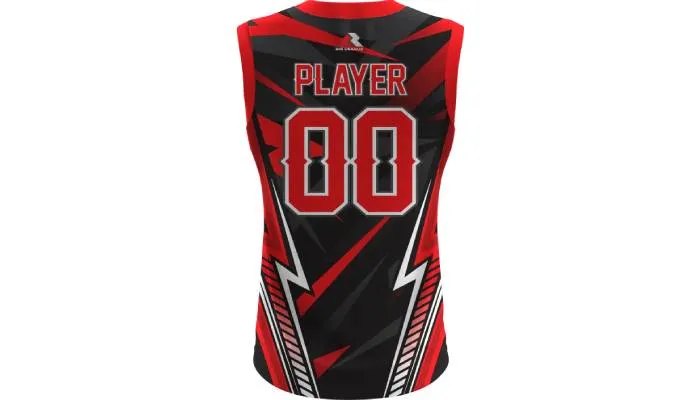

Saving money on youth basketball jerseys takes some planning but it’s doable. One easy way is to buy in bulk since many suppliers give discounts for orders of ten or more jerseys, which lowers the cost per jersey. Sometimes, buying blank jerseys and customizing them locally can save extra cash. Another tip is checking thrift stores or online marketplaces like Facebook Marketplace for gently used options that often cost much less than new ones. It’s also smart to compare prices across different sellers and choose recreation leagues which tend to have simpler, cheaper uniforms than club leagues. Finally, consider volunteering with your team to earn possible discounts on fees or uniforms.
Buy Youth Basketball Jerseys in Bulk for Discounts
Ordering 10 or more youth basketball jerseys usually unlocks meaningful discounts from many suppliers, making bulk purchases a smart choice for teams outfitting several players. Suppliers and Augusta Sportswear offer tiered pricing, where larger orders get better rates, which helps reduce the cost per jersey significantly. Buying blank jerseys in bulk and having them customized locally can lower overall expenses, especially since some wholesalers include free or discounted customization services with big orders. Coordinating with other teams or leagues to increase the total quantity can also boost savings. Don’t forget to check for seasonal promotions that align with bulk purchases, since those can maximize discounts even further. Finally, confirm return and exchange policies when placing large orders, and factor in shipping fees, many suppliers reduce or waive these costs for bulk shipments, adding extra value to buying in quantity.

Find Second-Hand Jerseys at Thrift Stores and Online
Thrift stores can be a surprisingly good place to find quality used youth basketball jerseys at lower prices. These stores often have gently worn uniforms that still look great and cost much less than new ones. Online marketplaces like Facebook Marketplace and SidelineSwap are popular spots where parents sell jerseys their kids have outgrown. Garage sales also offer chances to pick up used jerseys in good condition, sometimes even with minor customizations already done. Buying second-hand jerseys cuts down upfront costs and gives you more flexibility if you only need a few rather than a full team’s worth. When shopping for used jerseys, be sure to inspect them carefully for signs of wear, stains, or damage. Asking about sizing helps ensure the jersey will fit the player properly. Often, a good wash and a few small repairs can extend the life of these uniforms. Plus, if you need to customize the jersey again, it’s usually cheaper than starting fresh. Keeping an eye on local buy-and-sell groups can help you catch timely posts and score deals on jerseys before others do.
- Thrift shops sometimes carry quality used basketball jerseys at low prices
- Online marketplaces like Facebook Marketplace and SidelineSwap feature jerseys from other parents
- Garage sales can be a source for gently used uniforms in good condition
- Used jerseys lower upfront costs compared to buying new
- Buying second-hand allows more flexibility if you need just a few jerseys
- Inspect used jerseys for wear, stains, or damage before purchasing
- Ask about sizing and fit when buying used to ensure jerseys will work for your players
- Consider washing and minor repairs to extend the life of used jerseys
- Used jerseys can be customized again if needed, often at a lower cost
- Track local buy-and-sell groups for timely posts on available jerseys.
Compare Prices from Different Retailers and Suppliers
Prices for youth basketball jerseys can vary a lot depending on where you shop. Local stores, online retailers, and wholesalers each have different pricing structures, so it’s important to compare unit prices carefully. Don’t forget to factor in shipping fees and customization costs, as these can add significantly to the total price. Checking for clearance sales or off-season discounts can also lead to big savings. Some suppliers offer price matching or special discounts for first-time buyers, so it pays to ask. Reading online reviews helps verify if the quality matches the price and can reveal hidden fees or issues with customer service. Some retailers bundle customization with jersey purchases, which could save money compared to adding customization later. Local team stores might offer perks for returning customers or bulk orders, so inquire about those deals. Using price comparison websites is a quick way to spot the best prices across multiple sellers. Finally, always review return policies before buying in case the jerseys don’t fit or meet your expectations, so you can avoid losing money on exchanges or returns.
Choose Recreational Leagues to Lower Uniform Costs
Recreational basketball leagues usually keep uniform requirements simple, which helps lower costs significantly. Jerseys in these leagues often skip custom features like player names or elaborate logos, making them cheaper to produce and buy. Many rec leagues include uniforms as part of the registration fee, so parents don’t have to pay separately for jerseys upfront. This also means avoiding extra charges common in competitive club leagues that require premium gear. Simpler jersey designs reduce expenses for printing and embroidery, and some recreational teams even allow jerseys to be reused across seasons if they still fit, cutting down on repeated purchases. Additionally, rec leagues sometimes use generic or shared jerseys, further lowering costs. Some leagues partner with local suppliers to offer discounted jerseys, making it easier for families to afford quality uniforms. Overall, choosing recreational leagues not only lowers uniform expenses but also keeps overall league fees down, freeing up money to cover essentials without overspending.
Limit the Number of Jerseys and Share Among Players
Focusing on just one sport per season can help avoid the expense of buying multiple uniforms at once. When sizes match, siblings or teammates can share jerseys, which reduces the total number needed. Instead of buying extra jerseys that rarely get worn, it’s smarter to rotate available jerseys among players during practices and games; this not only cuts costs but also lessens wear and tear. Opting for durable jerseys that last longer means fewer replacements over time, saving money in the long run. Prioritize essential pieces of the uniform and skip extras like warm-up gear unless absolutely necessary. Hand-me-downs from older players are another great way to save, especially when kids grow quickly. Within teams, jersey swapping can help accommodate growth spurts or size changes without needing new purchases. Limiting customizations is also important since added names or logos can increase costs significantly for multiple versions. Keeping a careful inventory of jerseys prevents buying duplicates or unnecessary extras, helping families and teams stay within budget.
Use School or Community Programs for Affordable Jerseys
Many schools include team jerseys as part of the sports registration fees, which can save families from purchasing uniforms separately. Community centers often offer programs where uniforms are either included in the cost or available at discounted rates. Some programs even partner with local sponsors to help reduce the expenses associated with jerseys. It’s worth asking coaches or program directors about any uniform assistance options, especially for families who qualify for free or low-cost uniforms. These programs often encourage reusing jerseys year after year, which helps stretch the value of the initial purchase. Additionally, some leagues organize group orders to lower prices for all players or have jersey donation programs where new players can receive donated uniforms. Flexible sizing or adjustable jerseys are also common in these programs, allowing kids to wear the same jersey as they grow. Participating in school or community fundraisers can further support uniform purchases, making it a practical way to keep costs down while ensuring players have proper gear.
Opt for Basic or DIY Customization to Save Money
Custom logos, names, and numbers can really drive up the cost of youth basketball jerseys. To keep expenses down, consider choosing simpler options like just adding basic numbers instead of full names or elaborate logos. Another good way to save is to buy blank jerseys and handle the customization locally. Local print shops often charge less than suppliers who do embroidery or complex printing. Using iron-on numbers or decals instead of stitched designs also cuts costs significantly. Some suppliers even offer free customization if you order in bulk, so it’s worth checking out those deals. Keeping designs minimal helps reduce printing or stitching fees, and avoiding frequent changes to customization means you won’t pay repeatedly. Another practical tip is to look for reusable number patches that can be swapped between players easily, which is great for teams with rotating rosters. By doing the customization yourself or nearby, you get more control over your budget while still personalizing jerseys in an affordable way.
Volunteer in Leagues to Earn Uniform Discounts
Many youth basketball leagues offer discounts or fee reductions to parents who volunteer their time. Taking on roles like coaching, scorekeeping, managing equipment, or helping with fundraising can often lead to rebates or credits that reduce the cost of uniforms, including jerseys. Some leagues even give active volunteers priority access to discounted or free jerseys. It’s a good idea to check with your league organizers about any volunteer discount programs and the number of hours required to qualify. Volunteering not only helps offset uniform expenses but also strengthens community ties and supports the league overall. Combining volunteer discounts with bulk orders can maximize savings, especially in volunteer-run leagues that may have more flexible uniform pricing policies.
Plan Travel and Meals to Reduce Overall Sports Spending
Travel and meal planning can have a big impact on your overall sports budget, freeing up money that can be used for youth basketball jerseys and other fees. Carpooling with other families is a smart way to cut down on gasoline and parking costs, especially for regular practices and games. Preparing meals and snacks at home rather than buying from concession stands during tournaments or games helps avoid those pricey impulse purchases. Scheduling games and tournaments close together reduces the need for overnight stays, and when overnight stays are necessary, consider free or low-cost accommodations like staying with other families or using community housing options. Sharing travel expenses among teammates or parents can also lighten the load, making trips more affordable. Keeping track of all sports-related expenses helps spot where you might be overspending and where to save. For snacks, preparing reusable snack packs can prevent repeated trips to stores and reduce waste. Coordinating game days in advance avoids last-minute costs, such as emergency food or transportation. Finally, choosing local leagues can significantly cut down on travel expenses, allowing more flexibility in spending on quality jerseys.
Hire Teen Coaches to Cut Skill Development Costs
Hiring teen coaches can be a smart way to reduce skill development expenses while still helping young players improve. Teen coaches often charge lower fees compared to professional trainers or clinics, which helps keep overall sports costs manageable. Many of these coaches are former players who know the game well and can offer personalized attention with flexible scheduling. This saves money that can instead be spent on better quality jerseys or uniform customization. Parents can find teen coaches through local schools, community centers, or youth leagues. To stretch the budget further, organizing group training sessions with a teen coach can lower the cost per player. Just be sure to check references or recommendations and ensure teen coaches receive proper supervision and support to maintain a safe and effective learning environment.
Frequently Asked Questions
1. What materials should I look for to make sure youth basketball jerseys last longer?
Look for jerseys made from durable, moisture-wicking fabrics like polyester blends. These materials help keep players dry and hold up better after repeated washing and wear.
2. How can customizing jerseys without professional services help save money?
You can use iron-on letters or numbers and DIY methods at home instead of paying for custom embroidery. This cuts costs and still gives you a personalized look for the team.
3. Are there ways to reuse or recycle old youth basketball jerseys effectively?
Yes, old jerseys can be turned into practice gear, patches for other clothing, or even donated to community programs. Reusing them this way helps stretch your budget and reduce waste.
4. What role does buying in bulk play in saving money on youth basketball jerseys?
Purchasing jerseys in bulk often comes with discounts and lower per-item costs. Teams can benefit by ordering all jerseys at once, which also simplifies management and reduces ordering fees.
5. How can choosing simpler jersey designs cut costs without affecting the team’s look?
Opting for basic colors and minimal graphics reduces production complexity and cost. Simple designs still look sharp on the court and allow for easy coordination across the team.
TL;DR Save money on youth basketball jerseys by buying in bulk, shopping second-hand, and comparing prices from various retailers. Choose recreational leagues with simpler uniforms, limit jersey quantities, and use school or community programs for affordable options. Opt for basic or DIY customization and volunteer in leagues to earn discounts. Also, plan travel and meals efficiently and consider teen coaches to keep overall sports costs low.


