
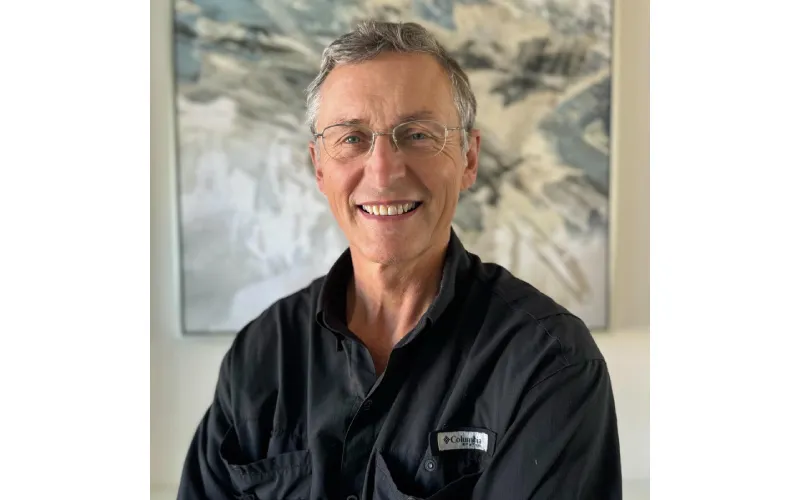

This year’s Functional Medicine Conference brings together an impressive lineup of speakers committed to advancing mental health through innovative approaches. Mary Ackerley, MD, is known for her natural treatments for anxiety and depression, while Iain Campbell, PhD, shares insights from his research on ketogenic diets for bipolar disorder. Georgia Ede, MD offers expertise in nutritional psychiatry and has developed training programs to support mental health clinicians. With pioneers like James Greenblatt and Robert Lustig leading discussions on integrative medicine, attendees will also hear from experts like Terry Wahls and Eric Westman about dietary impacts on chronic conditions. This diverse group promises valuable insights across the two-day agenda.
1. Mary Ackerley: Natural Treatments for Mental Health
Functional Medicine Conference, mary Ackerley is a board-certified psychiatrist who brings a fresh perspective on mental health treatment, focusing on natural approaches for anxiety, depression, and chronic fatigue. She emphasizes the significant impact of environmental factors on mental well-being, advocating for a holistic view that considers both physical and psychological elements. Ackerley’s approach combines traditional psychiatry with natural therapies, offering a unique blend of methods tailored to individual patient needs. Her commitment to patient-centered care drives her to create personalized treatment plans that address the root causes of mental health issues rather than just the symptoms.
Ackerley is also deeply involved in research examining how nutrition affects mental health, recognizing that what we consume can profoundly influence our mood and energy levels. As a co-founder of the International Society of Environmentally Acquired Illness (ISEAI), she aims to raise awareness about illnesses linked to environmental factors.
In her practice, Ackerley integrates mind-body techniques like mindfulness and yoga, which she believes are essential for enhancing overall well-being. She encourages her patients to adopt lifestyle changes that can promote mental and physical health. Through sharing success stories of patients who have thrived under her natural treatment methods, Ackerley inspires others to explore the potential benefits of integrative medicine.
- Focuses on anxiety, depression, and chronic fatigue
- Emphasizes the role of environmental factors in mental health
- Utilizes a combination of traditional psychiatry and natural therapies
- Advocates for patient-centered care and individualized treatment plans
- Researches the effects of nutrition on mental health
- Co-founded ISEAI to promote awareness of environmentally acquired illnesses
- Utilizes mind-body techniques like mindfulness and yoga
- Promotes integrative approaches combining conventional and alternative medicine
- Encourages lifestyle changes to enhance overall well-being
- Shares success stories of patients who benefited from natural treatments

2. Iain Campbell: Ketogenic Diet and Bipolar Disorder
Iain Campbell, a Baszucki Research Fellow in Metabolic Psychiatry at the University of Edinburgh, brings a unique perspective to the relationship between diet and mental health, particularly in bipolar disorder. His groundbreaking pilot trial explores how ketogenic diets can impact mood stabilization for those living with this condition. Campbell emphasizes the metabolic aspects of psychiatric disorders, shedding light on how diet influences brain function and neurotransmitter balance.
He shares his personal journey with Bipolar Disorder Type 2, which adds depth to his research and makes his insights relatable. Campbell explains the science behind ketogenic therapy, detailing how low-carb diets could help regulate mood and reduce symptoms. His ongoing research aims to validate these dietary interventions, advocating for a holistic approach that includes dietary changes as part of a comprehensive treatment plan.
In his talks, Campbell provides practical advice on implementing a ketogenic diet, making it accessible for those interested in exploring this alternative method for managing bipolar disorder.
3. Georgia Ede: Nutrition Science and Mental Health
Georgia Ede, a Harvard-trained psychiatrist, stands out for her deep understanding of how diet influences brain function. She focuses on educating clinicians about the ketogenic diet as a potential treatment for psychiatric disorders, emphasizing the need for personalized nutrition tailored to individual needs. Ede highlights the importance of micronutrients in promoting mental wellness, and she shares compelling case studies that show how dietary changes can lead to significant mood improvements. Her advocacy for collaboration between mental health and nutrition professionals aims to raise public awareness about the critical role nutrition plays in mental health. By discussing food choices that support mental clarity and stability, Ede encourages a holistic approach to mental health that takes into account the profound impact of what we eat.
4. James Greenblatt: Integrative Medicine Pioneer
Dr. James Greenblatt stands out as a true pioneer in the field of functional and integrative medicine, boasting over 35 years of experience. His approach is notably evidence-based, focusing on integrative treatments that address mental health comprehensively. As the Chief Medical Officer at Walden Behavioral Care, he emphasizes the importance of collaboration among healthcare providers to create holistic care plans for patients.
His influential books serve as valuable resources for both practitioners and patients, guiding them in the integration of traditional and alternative therapies. Dr. Greenblatt advocates for the inclusion of lifestyle changes and supplements in treatment regimens, recognizing their significant role in mental health. For instance, he often researches the impact of diet and exercise on emotional well-being, pushing for a paradigm shift in how mental health treatment is approached. His insights and experiences challenge conventional methods, inspiring others in the medical community to rethink mental health care and adopt a more integrative perspective.
5. Daniel A. Kinderlehrer: Holistic Approaches to Environmental Medicine
Daniel A. Kinderlehrer is a leading voice in environmental medicine, known for his expertise in diagnosing and treating environmental illnesses. He emphasizes a holistic approach, integrating nutrition and allergy management into patient care. As a co-founder of The New England Center for Holistic Medicine, he is at the forefront of understanding how environmental toxins affect health. Dr. Kinderlehrer shares valuable insights on how to avoid environmental triggers, which is crucial for patients suffering from various ailments. His advocacy for a multi-faceted approach to care includes not only traditional treatment methods but also lifestyle modifications that enhance overall well-being. He is particularly knowledgeable about tick-borne diseases, offering treatment strategies that address the complex interactions between these illnesses and environmental factors. Additionally, Dr. Kinderlehrer highlights the role of detoxification in recovery, stressing that a supportive environment is essential for healing.
6. Robert Lustig: Metabolism and Nutrition Expert
Robert Lustig, an Emeritus Professor of Pediatrics at UCSF, is a leading voice in the field of metabolism and nutrition. He is well-known for his strong stance against sugar and processed foods, emphasizing the detrimental effects these have on health. Lustig’s research highlights a critical link between diet and chronic diseases, making it clear that what we eat can significantly impact our overall health. His best-selling books provide valuable insights into the science of nutrition, making complex topics accessible to the general public.
In his talks, Lustig often discusses the importance of metabolic health not just for physical well-being but also for mental wellness. He explores how sugar consumption can affect brain function and mood, revealing the surprising connections between diet and mental health. This perspective is particularly relevant in today’s world, where mental health issues are increasingly prevalent. Lustig also delves into the role of insulin resistance, shedding light on how it can influence mental health conditions. His advocacy extends beyond the conference, as he actively engages in public health initiatives aimed at promoting healthier eating habits. Attendees can expect to gain a wealth of knowledge from his extensive research and practical insights into how nutrition shapes our lives.
7. Neil Nathan: Chronic Illness and Mold Toxicity
Neil Nathan, a board-certified physician in family practice and pain management, has dedicated his career to exploring the intricate relationship between chronic illness and mold toxicity. His focus on how mold exposure can lead to a spectrum of health issues is pivotal in today’s discussions about environmental health. Nathan has authored several books that delve into chronic fatigue and environmental illness, making complex subjects accessible to both patients and practitioners.
His research highlights the profound effects of mold on both mental and physical health, urging the medical community to prioritize awareness around environmental toxins. Nathan emphasizes the necessity of a clean living environment, advocating that many chronic illnesses can be traced back to toxic mold exposure. He shares comprehensive treatment protocols for mold-related illnesses, underscoring the importance of thorough patient assessments to tailor interventions effectively.
Moreover, Nathan encourages collaboration with environmental health specialists, recognizing that a multidisciplinary approach often leads to better patient outcomes. His presentations are enriched with real-life success stories, showcasing how individuals have overcome chronic illnesses by addressing mold toxicity. This holistic view not only informs but also inspires those attending the conference.
8. Nancy O’Hara: Functional Medicine for Children
Nancy O’Hara, a board-certified pediatrician, focuses on functional medicine specifically for children with special needs. Her expertise extends to addressing complex conditions like PANS/PANDAS, for which she authored a comprehensive guide detailing integrative care strategies. O’Hara emphasizes the importance of early diagnosis and intervention, particularly concerning mental health issues, advocating for a multi-disciplinary approach in child care. She understands that nutrition and environmental factors play crucial roles in a child’s treatment plan. O’Hara often shares compelling case studies that highlight successful outcomes, reinforcing the need for family involvement in the treatment process. Additionally, she addresses how education can empower families to manage pediatric conditions more effectively and encourages ongoing research to further advance pediatric functional medicine.
9. Jaquel Patterson: Naturopathic Approaches to Lyme Disease
Jaquel Patterson is a naturopathic physician known for her expertise in treating Lyme disease and her focus on integrative psychiatry. She founded Fairfield Family Health, a practice dedicated to providing supportive care for patients suffering from this complex illness. In her work, she explores the often-overlooked connections between Lyme disease and mental health, emphasizing that many patients experience psychological challenges as a result of their physical condition.
Patterson advocates for patient empowerment, believing that education is crucial for effective treatment. She shares evidence-based protocols that address not only Lyme disease but also the co-infections that frequently accompany it, such as Bartonella and Babesia. By recognizing these co-infections, she helps patients achieve a more comprehensive recovery.
Lifestyle changes also play a significant role in her treatment approach. Patterson discusses how nutrition, stress management, and detoxification can support the healing process. Her public speaking engagements aim to raise awareness about Lyme disease and its impact on mental health, fostering a better understanding of the condition among both patients and healthcare professionals. She collaborates with other experts to ensure that her patients receive well-rounded care, combining various modalities for a holistic approach.
10. Bret Scher: Metabolic Therapies in Cardiovascular Health
Bret Scher, a board-certified cardiologist and lipidologist, brings a unique perspective on metabolic health and its connections to both heart and mental wellness. As the director of Metabolic Mind, he focuses on how metabolic therapies can effectively address cardiovascular issues while also impacting mental health positively. Scher advocates for dietary changes, emphasizing that what we eat plays a critical role in managing cardiovascular conditions.
His research delves into the intricate relationship between heart health and mental wellness, highlighting how inflammation can drive chronic diseases. By sharing practical guidance from his clinical experiences, he equips attendees with actionable insights on implementing metabolic therapies in their practices. Scher is also dedicated to educating the public about the importance of understanding metabolic syndrome and its implications for mental health. Overall, his session promises to shed light on the often-overlooked connections between cardiovascular health and mental well-being.
11. Terry Wahls: Dietary Interventions for Autoimmune Conditions
Terry Wahls focuses on the profound impact diet can have on managing autoimmune diseases, particularly Multiple Sclerosis. Her approach, known as the Wahls Protocol, emphasizes the importance of nutrient-dense foods, including a variety of vegetables, lean proteins, and healthy fats. By advocating for a reduction in processed foods and sugars, Wahls aims to decrease inflammation and improve patient outcomes. She shares compelling insights from her clinical trials, demonstrating significant improvements in her patients’ symptoms through dietary changes.
Wahls strongly believes in individualizing dietary strategies based on each patient’s unique needs, empowering them to take charge of their health. This personalized approach not only fosters a sense of agency but also encourages patients to integrate dietary changes with their traditional medical treatments. Wahls discusses the scientific basis of her protocol, highlighting how these dietary choices can enhance cellular health. Her perspective is enriched by both her personal battle with an autoimmune condition and her professional expertise, making her insights particularly relatable and inspiring. Furthermore, she promotes a holistic view of health, reminding us that lifestyle changes, beyond just diet, play a crucial role in managing autoimmune conditions.
12. Eric Westman: Advocating Low Carb Diets
Eric Westman is a leading voice in the discussion around low carbohydrate diets, particularly when it comes to weight loss and metabolic health. His research has shown that these diets can significantly improve diabetes management and promote effective weight loss outcomes. In his presentations, he often shares practical applications of low carb diets in clinical settings, providing healthcare professionals with valuable insights into how to implement these strategies for their patients. Westman places a strong emphasis on the importance of patient education and support, recognizing that dietary changes can be challenging. His extensive clinical experience with patients using low carb diets has equipped him with a deep understanding of common misconceptions about carbohydrates and their health effects. He has co-authored influential guidelines that help health professionals navigate low carb eating, making it easier for patients to make informed choices. Moreover, Westman discusses how low carb diets can enhance mental clarity and focus, an often overlooked benefit. He also addresses the psychological aspects of transitioning to a new diet, guiding patients through potential challenges. His advocacy goes beyond individual patient care, as he actively promotes further research on the long-term effects of low carb diets, aiming to solidify their role in modern nutritional science.
13. Day 1 Highlights: Ketogenic Diets and Mental Health
The session on Day 1 delves into the intriguing link between ketogenic diets and mental health. Speakers present compelling evidence supporting how these diets can enhance mental well-being, particularly in managing mood disorders and anxiety. Case studies shared by experts illustrate real-life success stories, showcasing significant improvements in patients grappling with these conditions.
Research highlighted during the session indicates that ketogenic diets can positively impact brain metabolism, potentially transforming how we understand mental health treatment. The neuroprotective effects of ketones on brain function were a major focus, as experts discussed how these compounds could help reduce symptoms of depression and bipolar disorder.
Attendees gained valuable insights into the biochemical mechanisms at play, learning how ketones may influence neurotransmitter balance and brain energy use. The importance of tailoring dietary plans to individual patient needs was emphasized, as one size does not fit all when it comes to nutritional approaches.
Moreover, emerging research on the gut-brain connection was explored, linking the effects of ketogenic diets to gut health and mental wellness. Speakers did not shy away from discussing the practical challenges clinicians face when implementing ketogenic diets in practice, providing practical tips for recommendations. This session illuminated a promising area of exploration in functional medicine, setting the tone for ongoing discussions throughout the conference.
14. Day 2 Highlights: Infections and Mental Health
This session dives into the critical connection between infections and mental health outcomes. Experts discuss how certain infections can trigger or worsen mental health issues, providing evidence that inflammation caused by infections may impact brain function. The role of environmental factors and toxins is also explored, highlighting their contribution to mental health challenges. Case studies are presented, showcasing successful treatment strategies that address underlying infections to resolve mental health problems. Speakers stress the importance of a thorough patient history in diagnosing mental health issues, emphasizing the link between chronic infections and conditions like anxiety and depression. Innovative treatment approaches for managing infection-related mental health problems are shared, advocating for a multidisciplinary approach to treatment. Participants are encouraged to consider infections as a significant factor when assessing mental health, opening new avenues for effective care.
Frequently Asked Questions
1. Who are some of the main speakers at this year’s Functional Medicine Conference?
This year’s conference features a diverse range of speakers including leading experts in the field of functional medicine, researchers, and practitioners who will share their insights and latest findings.
2. What topics will the speakers cover during their presentations?
Speakers will discuss various topics such as innovative treatment approaches, the latest research in functional medicine, and practical strategies for improving patient outcomes.
3. How can I learn more about the speakers’ backgrounds and expertise?
You can find detailed biographies and profiles of each speaker on the conference website, which will highlight their qualifications, experience, and areas of specialization.
4. Will there be opportunities to ask questions or interact with the speakers?
Yes, many sessions will include a Q&A segment where participants can ask questions and engage directly with the speakers, fostering a collaborative learning environment.
5. Are there any benefits to attending presentations by different speakers?
Attending a variety of presentations allows you to gain a broader understanding of functional medicine, learn from diverse perspectives, and discover new techniques and insights that you can apply in your practice.
TL;DR This year’s Functional Medicine Conference features notable speakers like Mary Ackerley on natural mental health treatments, Iain Campbell discussing the ketogenic diet’s role in bipolar disorder, Georgia Ede focusing on nutrition science, and more. Key sessions highlight the benefits of ketogenic diets for mental wellness and explore the impact of infections on mental health. Attendees can expect a wealth of insights into innovative, evidence-based approaches to addressing mental health challenges.


