
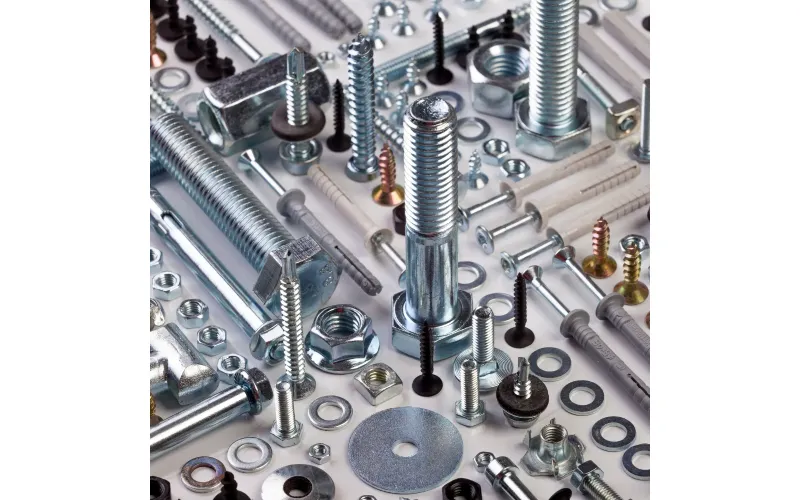

Caluating a screw supplier in India involves a few key factors to consider for quality and reliability. Start by checking online customer testimonials to grasp other clients’ experiences regarding service and product quality. It’s important to assess the variety of screws offered; reliable suppliers usually carry both common and specialized options. Furthermore, think about order quantity flexibility—it’s beneficial if they accommodate small or bulk purchases as needed. Pricing does matter, so compare costs with competitors while keeping quality in mind. Also look into their shipping capabilities, consistency in service, manufacturing technologies, and after-sales support before making your decision.
2. Analyzing Product Variety
When evaluating a screw supplier in India, it’s crucial to analyze the variety of products they offer. Start by checking the range of fasteners available, ensuring they provide both common and specialized screw types, such as socket screws and self-tapping screws. A diverse selection indicates that the supplier can cater to different needs and applications.
Additionally, look for suppliers that provide screws made from various materials, including stainless steel, brass, and plastic. This variety can greatly influence the performance and durability of the fasteners in different environments. Assessing the availability of screws in different sizes and finishes is also important, as this allows for better compatibility with your projects.
It can be beneficial to explore whether the supplier offers additional fasteners, like nuts and washers, as this can simplify your procurement process. Furthermore, check if they have the capability to produce custom screws tailored to specific requirements, which can be vital for unique applications.
Investigate if the supplier has specialty screws designed for particular uses, as this can enhance the functionality of your projects. Reviewing the supplier’s catalog for new product introductions can give insights into their innovation and commitment to staying competitive in the market. Lastly, consider their ability to accommodate seasonal or fluctuating demand, ensuring that they can support large projects with diverse fastener needs.

3. Understanding Quantity Flexibility
When evaluating a screw supplier in India, understanding their quantity flexibility is essential. Start by assessing how adaptable they are with order sizes. A good supplier should accommodate both small orders and bulk purchases, tailored to your specific needs. Investigate their minimum order quantities (MOQs) to ensure they are reasonable and aligned with your project requirements. It’s also important to find out if the supplier can manage urgent or last-minute requests, as this can be crucial for time-sensitive projects.
Look for suppliers that offer flexible payment options based on varying order sizes, which can help you manage your budget better. Some suppliers might provide subscription services for regular orders, ensuring you have a consistent supply without the hassle of reordering each time. Additionally, consider if they can adjust order quantities based on project demands and fluctuations in production needs.
A supplier that allows trial orders before committing to larger purchases can help you gauge quality and service without a significant upfront investment. Finally, check for any penalties or fees for changing order quantities, as this can impact your overall costs and flexibility in managing your inventory.
- Assess the flexibility in order quantities.
- Prefer suppliers that allow small orders or bulk purchases tailored to your needs.
- Investigate minimum order quantities (MOQs) and whether they are reasonable.
- Check if the supplier can handle urgent or last-minute requests.
- Look for flexible payment options for varying order sizes.
- Consider suppliers that offer subscription services for regular orders.
- Explore if they can adjust order quantities based on project requirements.
- Evaluate their ability to scale production according to demand fluctuations.
- Assess if they provide options for trial orders before committing to larger purchases.
- Check for any penalties or fees for changing order quantities.
4. Evaluating Cost Considerations
When evaluating a screw supplier in India, cost considerations play a crucial role in your decision-making process. Start by comparing the pricing of fasteners from different suppliers, but remember to factor in the quality of the products. Sometimes, a lower price may come with a compromise in durability or performance, which can lead to higher costs in the long run.
Look for suppliers that offer discounts for bulk purchases, as this can significantly reduce your overall expenditure. Additionally, be vigilant about hidden costs such as shipping, handling, and taxes, which can inflate the final price you pay. A reliable supplier should provide transparent pricing, ensuring there are no unexpected surcharges that can catch you off guard.
Investigate the payment terms and conditions as well. Some suppliers may offer credit options, which can help manage cash flow, especially for larger orders. It’s also wise to consider the total cost of ownership; high-quality screws may have a higher upfront cost but can save you money over time due to their long-term durability.
Some suppliers may provide price matching or guarantees, which can give you peace of mind that you are getting the best deal. Don’t overlook the value added through superior service or quality. Sometimes, paying a bit more for excellent customer support can be worth it. Look for loyalty programs or rewards for repeat customers, as these can offer additional savings. Finally, consider the potential for long-term partnerships with suppliers that may lead to better pricing and terms over time.
5. Reviewing Shipping and Delivery Options
When evaluating a screw supplier in India, reviewing their shipping and delivery options is crucial. Start by assessing the speed and cost of their shipping services. Suppliers that guarantee timely deliveries while offering reasonable shipping rates should be at the top of your list. Take the time to check their shipping policies, including handling times, as this can greatly affect when you receive your order. If you require international shipping, confirm that the supplier has the capability to ship globally.
Investigate whether the supplier provides tracking options for orders in transit. This feature can give you peace of mind, allowing you to monitor your shipment until it arrives. It’s also beneficial to choose suppliers who utilize reliable courier services, ensuring that your screws reach you safely.
Packaging quality is another important factor. Good packaging prevents damage during transit, which can save you from unexpected costs and delays. Additionally, inquire about their policies regarding lost or damaged shipments, as this can reflect their commitment to customer service.
If you have urgent orders, find out if they offer expedited shipping options. This can be a lifesaver in critical situations. Lastly, for larger orders, consider asking about shipping insurance options, which can protect your investment against unforeseen issues.
6. Checking Consistency and Reliability
Evaluating the consistency and reliability of a screw supplier is crucial for ensuring smooth operations. Start by checking the consistency of product quality and service delivery over time. A reliable supplier will maintain quality standards throughout their production process, which is vital for your projects. Investigate their historical performance through case studies or reports, as this can provide insight into their reliability.
Assess their ability to meet delivery schedules consistently, keeping in mind that delays can impact your business. Look for certifications that indicate adherence to quality control standards, such as ISO certification, which can be a good sign of a supplier’s commitment to quality.
Consider feedback from long-term customers regarding the supplier’s reliability. Their experiences can reveal potential red flags or affirm the supplier’s credibility. Evaluate the supplier’s response rate to inquiries and issues, as a prompt and effective communication strategy can indicate a reliable partner.
Additionally, investigate any history of product recalls or quality issues. Suppliers with a clean track record are generally more trustworthy. Check for regular audits or inspections of their production facilities; these practices can assure you of their commitment to maintaining high standards. Finally, assess their contingency plans for production disruptions, which can help ensure that your supply chain remains intact even during unexpected challenges.
7. Considering Location and Accessibility
When evaluating a screw supplier in India, the geographical location of the supplier plays a significant role. Being close to your supplier can reduce shipping times and lower costs, making your operations more efficient. For instance, if you are based in Mumbai, a supplier located in nearby Pune may offer faster delivery options compared to one situated in a different state. Additionally, consider how accessible the supplier is for in-person visits or meetings, as this can enhance communication and relationship building.
Proximity to the supplier can also lead to regional advantages, such as lower shipping costs or quicker response times. It is wise to inquire about the supplier’s capacity to expand their operations if your demand increases in the future. Suppliers with multiple locations may be better positioned to meet growing needs and ensure consistent supply.
Also, assess the logistics involved in receiving shipments and handling returns. Local suppliers often simplify this process, making communication and support more straightforward. Be aware of any regional regulations that could impact sourcing, as well as the availability of nearby resources or materials that might be beneficial for production. All these factors contribute to a more seamless supply chain and can help you make a more informed decision.
8. Investigating Manufacturing Capabilities
When evaluating a screw supplier, it’s crucial to investigate their manufacturing capabilities. Start by reviewing the technology and equipment they use. A supplier with modern machinery often indicates a commitment to quality and efficiency. Ensure they have the capacity to meet your demand consistently, especially if you anticipate fluctuating order volumes. Investigate their production processes: streamlined operations can lead to better quality control and faster turnaround times.
It’s also important to assess their ability to handle large-scale production runs without compromising quality. Suppliers that have invested in advanced machinery are typically better equipped for precision manufacturing, which is vital for certain screw types. Look for evidence of a skilled workforce and any training programs they may offer, as a knowledgeable team can greatly enhance production standards.
Evaluate their history of meeting production deadlines, as reliability is key in maintaining your supply chain. Furthermore, check if they can scale operations up or down based on your needs. A supplier’s ability to adapt to production challenges can be a telling sign of their overall operational strength.
9. Exploring Quality Assurance Systems
When evaluating a screw supplier in India, exploring their quality assurance systems is essential. Start by investigating the quality control measures they have in place. A reputable supplier will have established quality testing protocols for their products, which may include inspections during production and final testing before shipment. Look for relevant certifications, such as ISO, that indicate adherence to international quality standards.
Inquire about how often they conduct audits of their quality systems, as regular assessments help maintain high standards. Ask about the types of tests performed on products before they are shipped, ensuring they meet safety and quality benchmarks. It is also important to evaluate their procedures for handling defective products, as this can reflect their commitment to quality and customer satisfaction.
Gathering customer feedback on product quality over time can provide insight into the supplier’s reliability. Documentation regarding their quality assurance processes can further clarify their methods. Additionally, assess how they have responded to past quality issues and the measures taken to resolve them. This will give you a sense of their commitment to continuous improvement in quality, which is vital for a long-term partnership.
10. Assessing Environmental Compliance
When evaluating a screw supplier in India, it’s crucial to assess their commitment to environmental compliance. A responsible supplier should not only adhere to local environmental regulations but also show a genuine commitment to sustainable practices. For instance, inquire whether they utilize sustainable materials in their production processes. Certifications like ISO 14001 can serve as an indicator of their environmental management standards. Additionally, investigate their waste management and recycling practices, as effective strategies in these areas reflect a supplier’s dedication to reducing their environmental impact. Look for initiatives aimed at lowering their carbon footprint, such as energy-efficient manufacturing processes or renewable energy sources. Their policies on energy consumption and sustainability should be transparent and readily available for review. You might also want to check their response to any past environmental audits, as this can reveal their accountability and willingness to improve. Participation in community environmental programs not only demonstrates their commitment but also enhances their reputation. Finally, evaluate how transparent they are regarding their environmental impact, as openness is a key factor in building trust.
11. Evaluating Employee Expertise
When assessing a screw supplier in India, evaluating employee expertise is essential to ensure quality production. Start by looking at the educational backgrounds of the workforce. Suppliers with employees holding relevant degrees or qualifications in engineering or manufacturing are often better positioned to produce high-quality products. Additionally, consider the years of experience that the employees have in the screw manufacturing industry. A workforce with significant experience is typically more adept at handling the intricacies of production.
Specialized training or certifications can also be a strong indicator of a skilled workforce. Check if employees have undergone any training programs that focus on modern manufacturing techniques or quality control practices. Ongoing training is crucial, so inquire about any programs the supplier offers to keep their staff updated with the latest industry standards.
Employee retention is another critical factor; high turnover rates can disrupt production consistency and affect product quality. Investigate how the supplier maintains a stable workforce and what strategies they use to keep employees engaged and satisfied. Employee feedback can also play a significant role in production; a supplier that values input from its employees is often more likely to produce better outcomes.
Additionally, consider the supplier’s investment in employee development. Are there initiatives in place for skill enhancement? Recognitions or awards received by the workforce can also be a good sign of a committed and capable team. Finally, evaluate employee engagement levels. Happy and engaged employees are generally more productive, which can directly impact the quality of the screws you receive.
12. Understanding Management and Customer Relationship
When evaluating a screw supplier in India, understanding their management and customer relationship practices is crucial. Start by investigating how the supplier communicates with clients throughout the order process. A dedicated account manager assigned to each client indicates a commitment to personalized service. Pay attention to the supplier’s responsiveness to inquiries and issues raised by customers, as this reflects their level of customer care. Consider how they handle complaints and feedback; a supplier that welcomes input and acts on it shows dedication to continuous improvement.
Review the length of relationships the supplier has maintained with existing clients. Long-term relationships often signify reliability and trust. Transparency regarding pricing and product information is another key factor; suppliers who are open about costs and specifications foster trust. Explore the tools or platforms they use to manage customer relationships, as modern solutions can enhance communication and efficiency.
Additionally, evaluate the regularity of customer satisfaction surveys conducted by the supplier. This practice shows their commitment to understanding and addressing customer needs. Look for case studies or examples of successful client partnerships; these can provide insights into their capabilities and reliability. Lastly, understanding how the supplier prioritizes customer needs and adapts to them can be a strong indicator of their overall service quality.
13. Analyzing Financial Stability
Evaluating the financial stability of a screw supplier is crucial for ensuring a reliable partnership. Start by reviewing the supplier’s financial statements, including balance sheets and income statements, from the past few years. This will help you gauge their overall financial health. Look for any outstanding debts or financial obligations that could impact their operations. A supplier’s credit rating from recognized agencies can provide additional insight into their financial reliability.
Analyzing revenue trends is another key factor, as it reveals growth patterns over time. A supplier with consistent revenue growth may indicate a solid market presence, while declining revenues could raise red flags. Understanding their cash flow management practices is equally important; a supplier that effectively manages cash flow is more likely to meet your needs reliably.
Investigate any recent investments made by the supplier to enhance their capabilities, such as upgrading machinery or expanding production lines. This can show their commitment to improving quality and meeting customer demands. Additionally, check for diversification in their product offerings, which can mitigate risks associated with market fluctuations.
Consider the potential impact of economic factors on the supplier’s business model. For instance, how do they prepare for economic downturns? Suppliers with strong contingency plans are typically more resilient. Lastly, keep an eye on any recent news regarding mergers, acquisitions, or expansions, as these can significantly affect a supplier’s stability and future operations.
14. Considering Innovation and Adaptability
When evaluating a screw supplier in India, it’s crucial to consider their innovation and adaptability. Start by researching any new technologies the supplier has integrated into their manufacturing processes, such as automation or advanced materials that enhance product performance. Check if they have ongoing product development initiatives aimed at improving existing screws or creating new types that meet evolving industry standards.
Assess the supplier’s involvement in industry research and development activities, as this can indicate their commitment to staying ahead of market trends. A supplier that actively responds to changing market demands or customer preferences shows agility, which is essential in today’s fast-paced environment. Collaborations with tech firms or research institutions can further enhance innovation, providing access to cutting-edge solutions.
It’s also important to consider how the supplier utilizes customer feedback to drive product improvements. A supplier that listens to its clients is more likely to offer products that meet real-world needs. Investigate any patents or proprietary technologies owned by the supplier, as these can be indicators of unique capabilities that set them apart from competitors.
Evaluate whether the supplier has a dedicated team focused on innovation management, which can help ensure that new ideas are effectively implemented. Additionally, assess how well the supplier keeps pace with industry trends and emerging technologies, as this adaptability is key for long-term partnerships. Finally, understand the supplier’s ability to pivot in response to market changes, as flexibility in their operations can be a significant advantage for your business.
15. Researching Industry Reputation
Evaluating a screw supplier in India involves researching their industry reputation, which can provide valuable insights into their reliability and quality. Start by reading online reviews and testimonials to see how past customers perceive the supplier. Positive feedback on platforms like Google or specialized industry sites can signal a trustworthy partner. Additionally, check industry forums and social media for discussions about the supplier’s reputation. Engaging with these communities can reveal real-world experiences that formal testimonials might not cover.
It’s also important to look for any awards or recognitions the supplier has received. Such accolades can indicate a high level of trust and respect within the industry. Certifications and memberships in reputable industry organizations further enhance the supplier’s credibility, as they often require adherence to strict standards.
Investigating the supplier’s history in the market can provide context. Look for notable achievements, milestones, or longevity in the industry. For example, a supplier that has consistently been in business for several decades likely demonstrates stability and reliability.
Consider the supplier’s involvement in community or industry events, as active participation often reflects a commitment to the industry and its standards. However, be cautious of any past legal issues or controversies; these can significantly impact a supplier’s reputation. Researching feedback from industry experts can also provide valuable insights into the supplier’s reliability.
Finally, evaluate the supplier’s relationships with other businesses in the industry. Strong partnerships often indicate a solid reputation, as businesses tend to collaborate with reliable suppliers. By thoroughly assessing these aspects, you can gain a clearer understanding of a supplier’s standing in the industry.
16. Exploring Customization Options
When evaluating a screw supplier in India, exploring their customization options is essential. Start by inquiring about the types of customization services they offer for screws. Can they accommodate unique specifications or designs? This is particularly important if your project requires screws that differ from standard sizes or shapes. Also, check the minimum order quantities for customized products, as some suppliers may require larger orders for tailored solutions.
Lead time is another critical factor. Ask about the time required for custom orders compared to standard products, as this can affect your project timelines. Investigate the supplier’s design capabilities too, such as whether they use CAD software and offer prototyping services. This can give you insight into how they handle design complexities.
Consider if the supplier provides consultations for custom projects, which can be invaluable for ensuring that your specific needs are met. Quality assurance measures for customized products should also be assessed; this ensures that even custom screws uphold the same standards as their standard counterparts.
It’s wise to check if there are additional costs associated with customization, and how these costs compare to industry standards. Understanding the process for submitting custom requests and the feedback loops available is crucial for maintaining clear communication throughout the project. Lastly, inquire about past custom projects the supplier has completed successfully to gauge their experience and reliability in delivering tailored solutions.
17. Evaluating After-Sales Support
When evaluating a screw supplier in India, after-sales support is a crucial aspect to consider. Start by investigating the types of after-sales services the supplier offers. This might include product support, installation assistance, or even troubleshooting help. A good supplier should have clear and favorable warranty terms for the screws you purchase, so make sure to check those. It’s also important to assess how responsive their support team is to any post-purchase inquiries you might have, as this can significantly affect your experience.
Consider the availability of technical support for resolving issues, as this can save you time and money in the long run. Some suppliers may even offer training for customers on how to use their products effectively, which can be a valuable resource. Look into their return and exchange policies for faulty products; a good supplier should make this process straightforward and customer-friendly.
Additionally, check if there are online resources available, such as manuals or FAQs, which can provide quick answers to common questions. Understanding the claim process for warranties and how the supplier handles those claims is also important. Lastly, inquire about their commitment to customer satisfaction after the sale, as well as any feedback mechanisms they have in place for ongoing improvement. A supplier that values after-sales support will be more reliable and beneficial for your business.
Frequently Asked Questions
1. What should I look for in the quality of screws from a supplier?
You should check the materials used, their strength, durability, and whether they meet industry standards. Good screws should be resistant to rust and corrosion.
2. Is it important to check the supplier’s reputation before buying screws?
Yes, a supplier’s reputation matters. Look for customer reviews, testimonials, and any industry awards or certifications they might have.
3. How can I know if a screw supplier is reliable?
You can assess reliability by looking at their experience in the business, quality assurance processes, and how well they communicate with customers.
4. What certifications should a screw supplier in India have?
Look for certifications like ISO (International Organization for Standardization) that indicate quality management, and any specific standards for fasteners relevant to your needs.
5. How important is customer support from a screw supplier?
Customer support is crucial. A good supplier should be available to answer questions, provide technical assistance, and help resolve any issues that may arise.
TL;DR To evaluate a screw supplier in India, consider factors like product variety, order quantity flexibility, cost, shipping and delivery options, consistency of quality, location, manufacturing capabilities, quality assurance systems, environmental compliance, employee expertise, management of customer relationships, financial stability, innovation and adaptability, industry reputation, customization options, and after-sales support. By reviewing these aspects, businesses can make informed choices to partner with reliable suppliers.


