
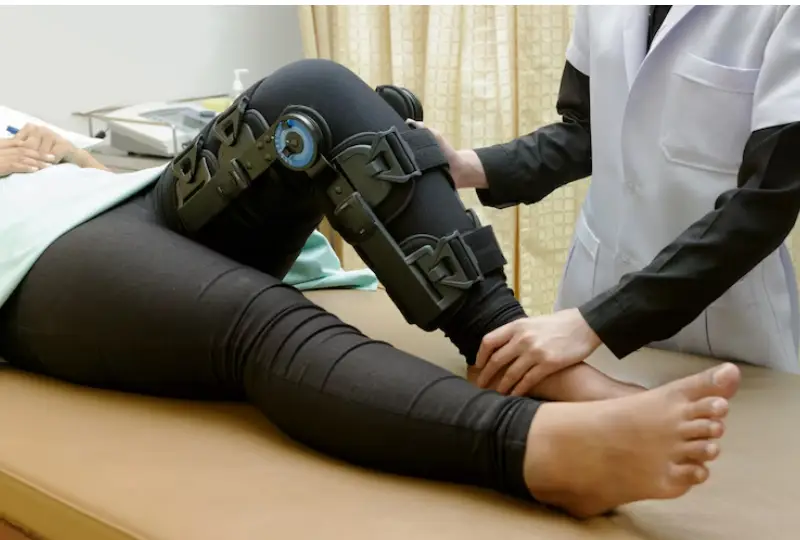

Robotic knee replacement is a modern approach that uses advanced technology to assist surgeons in performing highly precise procedures. Unlike traditional methods, robotic systems create a 3D model of your knee, allowing the surgeon to plan and execute surgery with greater accuracy. This often leads to better alignment, less soft tissue damage, and a quicker return to mobility. It’s important to note that the robot doesn’t perform the surgery on its own—it assists the surgeon throughout the process, enhancing control and visibility.
Safety Standards and Regulations for Robotic Surgery
Robotic knee replacement surgery systems are strictly regulated by health authorities such as the FDA and are tested extensively before being approved for use. Hospitals and surgical centers must meet high safety standards and train staff thoroughly in robotic-assisted procedures. The equipment is maintained under tight quality control to ensure safety during every operation. This rigorous regulation helps build trust in robotic surgery as a secure and effective alternative to traditional methods.
Precision and Accuracy in Robotic Procedures
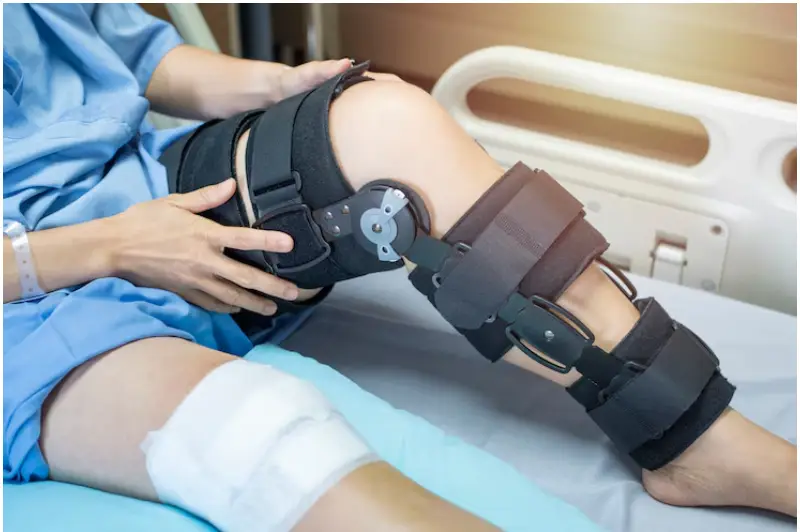
One of the major safety advantages of robotic knee replacement is its unmatched precision. With real-time data and mapping, the robotic arm can help the surgeon remove only the damaged bone and place the implant exactly where it needs to go. This reduces human error and improves joint alignment, which is crucial for long-term implant stability and reduced wear. Increased accuracy also minimizes the risk of complications and promotes a smoother recovery.
Lower Risk of Complications Compared to Traditional Methods
Robotic knee replacements often result in fewer complications, including less bleeding, lower infection risk, and reduced likelihood of misaligned implants. Because the procedure is less invasive, there’s usually less trauma to surrounding muscles and ligaments. Many patients report faster rehabilitation and less postoperative pain. While all surgeries carry some risk, robotic-assisted procedures are generally associated with a lower complication rate due to the enhanced surgical control and customization.
Faster Recovery and Reduced Hospital Stay
Another key safety benefit of robotic knee replacement is a quicker and more predictable recovery. With more precise incisions and implant positioning, patients often experience less pain and swelling, which leads to shorter hospital stays and quicker returns to normal activities. For many individuals, this means walking with assistance the same day as surgery and resuming daily tasks within weeks rather than months. Faster recovery also reduces the risk of post-operative issues like blood clots or infections.
Patient Selection and Surgeon Experience Matter
While robotic knee replacement is generally safe, its success depends heavily on patient selection and the surgeon’s experience. Ideal candidates are those with osteoarthritis, good bone density, and no severe deformities. Equally important is choosing a surgeon who is trained and experienced in robotic systems. A skilled practitioner knows how to optimize the technology for each patient, making the procedure safer and more effective. Not every case requires robotics, so a thorough evaluation is essential.
Common Concerns and Misconceptions About Safety
Some patients worry that robotic surgery means a machine is “in charge,” but this isn’t true. The surgeon controls the entire operation, using the robot as a precise tool. Others fear technical malfunctions, but robotic systems have built-in safeguards, and teams are trained for contingencies. It’s also natural to question whether new technology is safe, but multiple studies show robotic knee replacements have high success rates and patient satisfaction levels, reinforcing their overall safety profile.
Long-Term Outcomes and Implant Longevity
Because robotic surgery ensures better alignment and placement, implants tend to last longer and function more naturally. This is a major safety benefit over time, as poorly aligned implants can lead to early failure and the need for revision surgery. Patients treated with robotic assistance often report high mobility, reduced joint pain, and sustained improvement in quality of life. Long-term data continues to support robotic knee replacement as a safe and effective solution for joint degeneration.
What to Expect Before and After Surgery?
Before robotic knee surgery, you’ll undergo detailed imaging and consultation to determine if you’re a good candidate. The planning phase is crucial for safety and customizes the procedure to your anatomy. After surgery, physical therapy begins quickly, with your care team monitoring healing and implant performance. Following recovery protocols and attending follow-ups are essential to maximizing the safety and success of the operation.
The Future of Robotic Orthopedic Surgery
With ongoing advancements in medical robotics, the safety and effectiveness of robotic knee replacement are only expected to improve. Future systems may include AI-driven insights, improved navigation, and even more personalized surgical planning. As technology evolves, so does our ability to make procedures safer, more efficient, and less invasive. Robotic surgery is not just a trend—it represents the future of orthopedic care, grounded in precision and patient-centered outcomes.
Conclusion
Robotic knee replacement surgery is a safe, reliable, and advanced option for patients seeking lasting relief from joint pain. With high precision, fewer complications, and faster recovery, it offers clear safety advantages over traditional methods. While every surgery carries some risk, robotic-assisted procedures are carefully regulated and performed under expert supervision. By working closely with your healthcare provider and choosing an experienced surgeon, you can feel confident in the safety and effectiveness of robotic knee replacement.


