
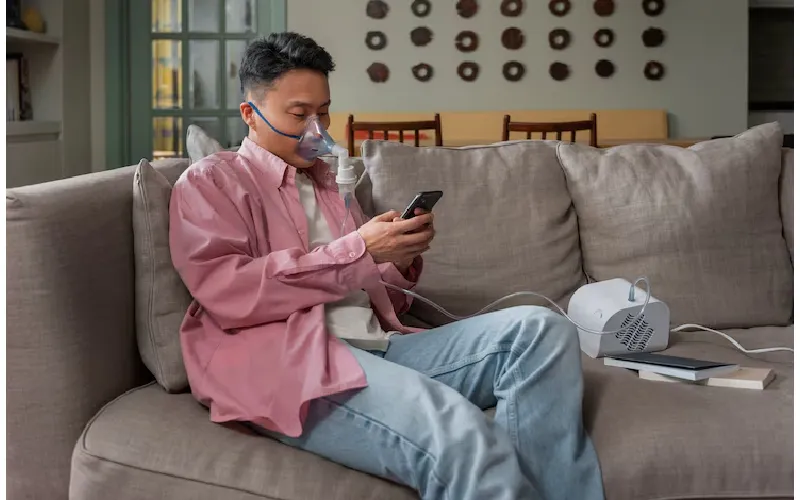

Sleep apnea is a condition that interrupts breathing during sleep, leading to symptoms like loud snoring and daytime fatigue. If you suspect you have it, start by talking to your doctor about your symptoms and history. They can prescribe a home sleep test if appropriate. Next, choose the right test kit, like the WatchPAT™ One, which measures various metrics while you sleep. Follow setup instructions carefully to ensure accuracy in data collection. Conduct the test in your bed for better results, avoiding substances like alcohol beforehand. Once completed, return the device and discuss findings with your healthcare provider for proper interpretation and next steps.
1. Understanding Sleep Apnea
Sleep apnea is a common sleep disorder that affects millions of people worldwide. It is characterized by repeated interruptions in breathing during sleep, which can lead to a host of health issues if left untreated. There are three main types of sleep apnea: obstructive, central, and complex. Obstructive sleep apnea, the most prevalent form, occurs when the airway becomes blocked during sleep, often due to relaxed throat muscles. Central sleep apnea, on the other hand, happens when the brain fails to send the correct signals to the muscles that control breathing. Complex sleep apnea test at home is a combination of both obstructive and central types.
Various risk factors can increase the likelihood of developing sleep apnea, including age, obesity, family history, and smoking. Recognizing symptoms such as loud snoring, gasping for air during sleep, daytime fatigue, and morning headaches is crucial for early diagnosis. Detecting sleep apnea early can prevent serious complications like heart disease and diabetes. Home sleep tests can be an effective option for individuals with moderate symptoms, offering a cost-effective and convenient way to gather important data about one’s sleep patterns. Additionally, untreated sleep apnea can significantly impact sleep quality, leading to issues such as anxiety and depression.

Consultation with a Healthcare Provider
Before starting your sleep apnea test at home, it’s crucial to consult with a healthcare provider. Schedule an appointment with your primary care physician or a sleep specialist to discuss your sleep habits and daily routines. Be prepared to share details about your symptoms, such as loud snoring or daytime fatigue, and any medications you’re currently taking, including over-the-counter drugs. Your doctor may ask you to fill out a questionnaire to assess your risk of sleep apnea and recommend possible lifestyle changes, such as weight loss or improving your sleep hygiene, before proceeding with the test.
Make sure to mention any past sleep disorders or treatments you’ve experienced, as this information is vital for your doctor’s assessment. Additionally, it’s helpful to discuss any sleep apnea symptoms that family members may have, since the condition can run in families. Your medical history will play a significant role in determining whether a home test is appropriate or if a referral to a sleep specialist is necessary for further evaluation. Don’t hesitate to clarify any concerns you might have regarding the testing process and its potential implications for your health.
Receiving a Prescription for Home Testing
To start your journey with a home sleep apnea test, you’ll need a prescription from your healthcare provider. This prescription is essential, as it ensures you get the right type of test tailored to your specific needs. Your doctor will consider various factors, including your age, overall health, and the severity of your symptoms, before determining whether you’re a suitable candidate for at-home testing.
When discussing your preference for a home test over a traditional in-lab study, be prepared to explain your reasons. Some people find the comfort of their own bed helps them sleep better, while others may have concerns about the invasiveness or logistics of a lab setting. Your physician will likely address the accuracy of home tests in detecting sleep apnea, giving you a clearer picture of what to expect.
It’s also important to understand that some insurance plans may require prior authorization for home testing. Be sure to check the specifics of your coverage, as not all plans cover these types of tests. If you’re eligible for a home test, don’t hesitate to inquire about any financial assistance or payment plans available. Finally, your doctor will provide guidance on how to use the prescribed device effectively, making sure you’re comfortable with the process before you begin.
Choosing a Home Sleep Test Kit
When selecting a home sleep test kit, it’s essential to do your homework. Start by researching the various kits available on the market and pay special attention to those that have FDA approval, as this ensures safety and reliability. User reviews can also provide valuable insight; look for feedback from individuals who have used the kits to gauge their effectiveness.
Consider the features included in the kit. Comprehensive monitoring kits track metrics like heart rate and oxygen levels, providing a more detailed picture of your sleep health. On the other hand, simpler kits may only measure breathing patterns and snoring, which might not be sufficient for a thorough assessment. Discuss your specific symptoms with your doctor, who can recommend a kit that best suits your needs.
Comfort is another crucial factor. Ensure the device fits well and is easy to wear throughout the night. You’ll want to avoid any discomfort that could disrupt your sleep. Additionally, look into the company’s return policy and customer service options; knowing you have support if issues arise can make the process smoother. Lastly, make sure the kit comes with clear instructions for setup and operation, along with customer support to address any questions you might have.
5. Setting Up the Test Correctly
Setting up your sleep apnea test correctly is crucial for obtaining accurate results. Start by reading the instruction manual thoroughly; this provides specific guidance tailored to your device. Before applying any sensors, ensure they are clean and functioning properly to avoid any interference during the test. It may be helpful to practice putting on the device during the day. This way, you can familiarize yourself with how everything fits and feels, making the actual test night less stressful.
Double-check all connections to guarantee the device is set up properly. A secure setup can enhance the accuracy of the data collected. On the night of the test, make sure you are in a quiet and comfortable environment. If you are sensitive to light or noise, consider using a sleep mask or earplugs to help you relax and fall asleep more easily.
Don’t forget to check the battery levels of the device to ensure it will last throughout the night. This step is often overlooked but is vital for uninterrupted monitoring. Adjust your sleeping position if necessary, as certain positions may enhance sensor performance. Keeping a notepad nearby can also be useful; jot down any sleep disturbances you experience during the night, as this information can be beneficial when discussing results with your healthcare provider.
Conducting the Test in Your Own Bed
Sleeping in your own bed can make a big difference in how well you rest during the sleep apnea test. The comfort of your familiar environment helps maintain your natural sleep patterns. To ease into sleep, establish a calming bedtime routine—maybe reading a book or taking a warm shower. Avoid heavy meals or intense workouts right before bed, as these can disrupt your sleep quality. Make sure your bedding and pajamas are cozy, as comfort is key when wearing the testing device. If you have pets, consider having them sleep in another room to reduce any disturbances. It’s normal to feel some anxiety about the test, but try to relax before bedtime. Techniques like deep breathing or meditation can help calm your mind. Aim for at least 7-8 hours of sleep to gather accurate data, and don’t forget to jot down any unusual sleep patterns or disturbances you notice throughout the night.
7. Monitoring and Data Collection During Sleep
During your home sleep apnea test, the device will automatically record various data throughout the night, so you won’t need to track anything manually. Most devices are designed to monitor sleep stages, capturing both light and deep sleep phases. It’s important to ensure that the device is secure but not overly tight; discomfort could affect your sleep quality and the accuracy of the readings. Pay attention to how your body feels while wearing the device, as this can impact your overall experience.
Additionally, some devices may track snoring and body movements, providing a more comprehensive view of your sleep patterns. Look out for any alerts or notifications from the device that might indicate issues during the test. After the test is complete, reviewing the collected data is crucial. Make sure to follow the instructions on how to interpret the metrics properly. Remember that the accuracy of the data can depend on how well the sensors were applied, so a proper setup is key. To enhance your understanding, consider keeping a sleep diary alongside the test for more detailed insights into your sleep habits.
8. Returning the Equipment After Testing
Once you’ve completed your sleep apnea test at home, it’s crucial to return the equipment properly. Start by following the return instructions that came with the device. Some kits require you to clean the sensors before sending them back, so be sure to check that as well. Pay close attention to any deadlines for returning the equipment to avoid extra fees. If the kit includes a pre-paid shipping label, package the device securely to prevent any damage during transport. Keeping track of your tracking number is a good idea for shipping confirmation.
Before sending the kit back, confirm that all components are included. If you encounter any issues during the return process, don’t hesitate to reach out to customer support for assistance. It may also be beneficial to document the condition of the device before you return it, just for your records. Lastly, if you have any feedback about the kit or your experience, sharing that with the company could help improve their products in the future.
9. Reviewing Your Sleep Test Results
Once you’ve returned your sleep apnea test device, you can expect to receive your results within a week or two. The report will typically include an Apnea-Hypopnea Index (AHI) score and a summary of sleep events. The AHI score is crucial; a higher score indicates more severe sleep apnea, with scores over 5 suggesting mild cases and those above 30 indicating severe conditions. Along with your score, look for explanations that detail what the metrics mean. If anything is unclear, don’t hesitate to ask your healthcare provider for help in interpreting the results.
Your report may also highlight patterns in your sleep data, such as specific times during the night when apneas occurred. This information can help you and your doctor understand your condition better. It’s also beneficial to share these results with family members, particularly if they are affected by sleep apnea too. They’ll appreciate the insight into how the condition may impact your health.
During your follow-up appointment, be ready to discuss your results in detail. Your healthcare provider may offer recommendations for treatment or suggest further testing based on your report. Remember, the more informed you are about your sleep health, the better equipped you will be to make decisions regarding treatment options.
10. Interpreting the Results and AHI Score
Understanding the Apnea-Hypopnea Index (AHI) is essential for assessing the severity of sleep apnea. The AHI score categorizes the frequency of breathing interruptions during sleep: a score of 0-4 is normal, while 5-14 indicates mild sleep apnea. Moderate cases range from 15-29, and scores of 30 and above signal severe sleep apnea. After receiving your results, discuss them with your healthcare provider, who may suggest treatments like a CPAP machine depending on your score.
It’s also important to consider lifestyle changes that can enhance your sleep quality and overall health. For instance, weight loss and quitting smoking are often recommended to alleviate symptoms. Understanding how sleep apnea affects your general health is vital for long-term management. If your AHI score indicates a significant issue, your doctor might refer you to a sleep specialist for further evaluation.
In addition to potential therapies, inquire about support groups or resources available for individuals diagnosed with sleep apnea. Staying informed about new research and treatment options can also empower you in managing your condition effectively.
11. Potential Follow-up Testing Options
If your home sleep test results are unclear or suggest more complex issues, your doctor might recommend an in-lab polysomnography. This comprehensive test examines your sleep patterns in detail, monitoring brain waves, eye movements, and heart activity. For those diagnosed with obstructive sleep apnea, a Continuous Positive Airway Pressure (CPAP) titration study might be necessary to find the optimal pressure settings for effective treatment. In some cases, a split-night study could be beneficial, where your initial assessment is followed by CPAP therapy in the same session. It’s also important to have follow-up consultations with a sleep specialist who can help interpret your results and tailor a treatment plan that works for you. If symptoms persist even after treatment, repeating the home test may be warranted. Additionally, patients with comorbid conditions, like heart disease, may require more extensive testing to ensure a thorough evaluation. Regular follow-ups are crucial to assess how well prescribed treatments, such as CPAP or lifestyle changes, are working. Many healthcare providers now offer telehealth options for these discussions, making it easier to stay on top of your sleep health. Monitoring changes in your symptoms or addressing new concerns through regular follow-ups can significantly impact your overall well-being.
12. Cost Considerations for Home Tests
Home sleep apnea tests are often much more affordable than traditional in-lab tests, making them a budget-friendly option for many. Prices for at-home tests can range from $189 to $349, while in-lab studies can exceed $1,000. Keep in mind, costs can vary based on the testing device and provider. Some companies offer rental or purchase options, which can also influence your overall expenses.
When planning for the test, be sure to check for any hidden fees, such as costs associated with returning the device or additional consultations that may arise. It’s also essential to verify your insurance coverage, as many plans may cover part or all of the costs associated with home sleep tests. Medicare and some Medicaid plans might include coverage under certain conditions, so checking with your provider beforehand is wise.
If costs are a concern, consider looking for local health clinics or universities that may offer subsidized testing options. Additionally, some companies provide payment plans to help make testing more accessible.
Don’t forget to factor in the cost of follow-up consultations when budgeting for sleep apnea management. It’s also crucial to evaluate the long-term costs of untreated sleep apnea, which can include serious health complications and decreased productivity. If cost is a significant barrier, researching available financial assistance programs can provide further support.
13. Additional Resources for Sleep Apnea
There are many resources available to help individuals understand and manage sleep apnea. The Sleep Foundation is a great starting point, offering detailed information on symptoms, treatment options, and lifestyle changes that can improve sleep quality.
Non-profit organizations often offer free or low-cost resources, making support accessible to all. For those interested in continuous learning, online webinars featuring experts discussing sleep health and apnea management can be quite informative. There are also mobile apps designed to help track sleep patterns and monitor symptoms over time, providing users with valuable data to share with their healthcare providers.
Lastly, participating in research studies can be a way to access cutting-edge treatments and monitoring options, contributing to the broader understanding of sleep apnea while receiving care.
- The Sleep Foundation offers comprehensive information on symptoms, treatment options, and lifestyle changes.
- National Heart, Lung, and Blood Institute offers research-based information on sleep apnea risks and treatments.
- Local health departments may offer workshops and informational sessions about sleep health.
- Non-profit organizations often provide free or low-cost resources for affected individuals.
- Online webinars can be found that feature experts discussing sleep health and apnea management.
- Mobile apps exist that can help track sleep patterns and monitor symptoms over time.
- Research studies may be available for participation, providing access to the latest treatments and monitoring.
Frequently Asked Questions
1. What is a home sleep apnea test and how does it work?
A home sleep apnea test is a simple way to check if you have sleep apnea. You wear a small device while you sleep, which tracks your breathing, heart rate, and oxygen levels. This helps doctors see if there are any issues.
2. What should I do to prepare for the test at home?
To prepare for the home sleep apnea test, try to stick to your normal bedtime routine. Avoid caffeine and alcohol before the test, and make sure to follow the instructions provided with the device.
3. Is it safe to take a sleep apnea test at home?
Yes, taking a sleep apnea test at home is generally safe. The devices used are designed for home use and have been tested for accuracy. However, make sure to follow the instructions carefully.
4. How long does the home sleep apnea test take?
The home sleep apnea test usually takes one night. You just wear the device while you sleep, and it records the necessary data throughout the night.
5. What happens after I take the sleep apnea test at home?
Once you complete the test, you return the device as instructed. A doctor will review the results and discuss them with you, helping to determine if you have sleep apnea and what to do next.
TL;DR This guide covers how to take a sleep apnea test at home, starting with understanding sleep apnea and consulting a healthcare provider for a prescription. After selecting an appropriate home test kit, set it up correctly in your own bed for optimal sleep quality. Monitor your data collection overnight, return the device, and review the results with your physician. Understanding your Apnea-Hypopnea Index (AHI) score helps in determining future steps, including possible follow-up testing. Cost-wise, at-home tests are generally more affordable than lab studies, and additional resources are available for further education on sleep apnea.


