


In today’s rapidly evolving global market, businesses of all sizes are striving to improve their supply chain efficiency. One key strategy to achieve this is by partnering with a reliable and experienced logistics service provider. A logistics service provider (LSP) plays a crucial role in managing and optimizing the flow of goods, from procurement to final delivery, ensuring that products reach customers in a timely and cost-effective manner. This article explores how businesses can enhance their supply chain efficiency by leveraging the expertise and resources of a logistics service provider.
Understanding The Role Of A Logistics Service Provider
A logistics service provider is a third-party company that offers a range of logistics services to help businesses manage their supply chain needs. These services can include transportation, warehousing, inventory management, order fulfillment, and freight forwarding. By outsourcing these functions to a logistics service provider, companies can focus on their core operations while improving the overall efficiency of their supply chain.
An LSP acts as a bridge between manufacturers, distributors, retailers, and customers, ensuring smooth communication and coordination throughout the entire supply chain. They utilize advanced technologies and industry best practices to streamline processes, reduce costs, and enhance customer satisfaction.
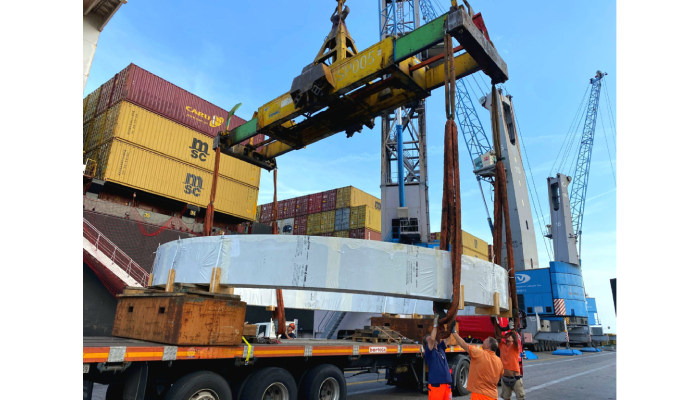
Streamlining Transportation With A Logistics Service Provider
Transportation is one of the most critical components of supply chain management, and working with a logistics service provider can significantly improve this area. A logistics service provider has access to a vast network of carriers and transportation modes, including road, rail, sea, and air. This allows businesses to choose the most efficient and cost-effective transportation methods based on their needs.
By collaborating with an LSP, companies can optimize route planning, reduce fuel consumption, and ensure timely delivery. Logistics service providers also offer advanced tracking systems that provide real-time updates on shipments, allowing businesses to monitor progress and make adjustments as needed. This level of visibility helps companies anticipate potential delays and minimize disruptions to the supply chain.
Enhancing Warehouse And Inventory Management
Efficient inventory management is crucial to maintaining a smooth supply chain. A logistics service provider can assist businesses in managing their inventory more effectively by implementing advanced warehouse management systems (WMS). These systems help automate tasks such as inventory tracking, order picking, and stock replenishment.
By partnering with a logistics service provider, businesses can benefit from optimized warehouse layouts, reduced handling times, and improved order accuracy. LSPs also provide flexible warehousing solutions, allowing companies to scale their operations according to seasonal demand or growth.
Improving Order Fulfillment And Customer Satisfaction
Order fulfillment is a critical aspect of the customer experience. With the help of a logistics service provider, businesses can improve their order fulfillment process by reducing lead times and ensuring accurate and timely deliveries. LSPs offer a range of fulfillment services, including pick-and-pack, kitting, and shipping, which can be tailored to the specific needs of the business.
By outsourcing order fulfillment to a logistics service provider, companies can ensure that orders are processed quickly and accurately, leading to improved customer satisfaction. Faster delivery times and reliable service will enhance the customer experience, increase customer loyalty, and drive repeat business.
Reducing Costs Through Optimized Supply Chain Processes
One of the most significant advantages of working with a logistics service provider is the potential for cost savings. A logistics service provider brings expertise and experience in supply chain management, which can help identify areas of inefficiency and implement cost-effective solutions.
LSPs can negotiate better rates with carriers and suppliers due to their volume of business, enabling businesses to take advantage of bulk discounts. By consolidating shipments and optimizing transportation routes, logistics service providers can help reduce transportation costs and improve overall cost efficiency.
Gaining Access To Technology And Data Analytics
In today’s supply chain landscape, data is king. Logistics service providers use advanced technologies such as transportation management systems (TMS), warehouse management systems (WMS), and supply chain analytics tools to optimize operations and provide valuable insights into supply chain performance. These technologies enable businesses to track shipments in real-time, monitor inventory levels, and analyze performance metrics.
By partnering with a logistics service provider, businesses gain access to these cutting-edge technologies without the need to invest in expensive infrastructure or software. The data generated by these systems can be used to identify trends, forecast demand, and make data-driven decisions that enhance supply chain efficiency.
Enhancing Scalability And Flexibility
As businesses grow, so do their supply chain needs. A logistics service provider offers the scalability and flexibility necessary to accommodate changes in demand, expansion into new markets, or seasonal fluctuations. With a logistics service provider, companies can easily scale their operations up or down without the need to invest in additional infrastructure or personnel.
LSPs offer a range of customizable solutions that can be tailored to the unique needs of each business. Whether it’s expanding warehouse capacity, adding new transportation routes, or adjusting fulfillment processes, logistics service providers can quickly adapt to changing requirements and ensure that supply chain operations remain efficient and effective.
Improving Risk Management And Compliance
Managing risk and ensuring compliance with industry regulations are critical components of a successful supply chain. A logistics service provider can help businesses navigate complex regulations and mitigate risks associated with transportation, storage, and international trade.
Logistics service providers stay up to date with changing laws and regulations in various regions, ensuring that shipments comply with customs requirements, safety standards, and environmental regulations. This helps businesses avoid costly fines and delays while maintaining smooth supply chain operations.
Conclusion
Partnering with a logistics service provider can significantly improve supply chain efficiency by streamlining transportation, enhancing inventory management, optimizing order fulfillment, and reducing costs. By leveraging the expertise, technology, and resources of a logistics service provider, businesses can achieve better operational performance, improve customer satisfaction, and remain competitive in today’s dynamic market. The right logistics service provider not only helps companies manage their supply chain more effectively but also provides the flexibility and scalability necessary for long-term growth and success.


